Safety Tips
|
Aug 9, 2019
Every vehicle communicates when something goes wrong. Tire warning signs often appear early, yet many drivers continue driving and hope the issue resolves itself. That decision usually turns a minor tire concern into a major repair bill. Drivers who address tire warnings quickly protect their safety, vehicle performance, and long-term budget.
All drivers need to understand why ignoring tire warnings can lead to bigger repairs down the road. Recognizing these signs and acting immediately prevents avoidable repairs and unexpected breakdowns.
Low tire pressure ranks among the most common tire warnings. Many drivers ignore the dashboard light or assume colder weather caused the alert. Driving on underinflated tires increases rolling resistance and forces the engine to work harder. That extra strain reduces fuel efficiency and increases wear across multiple vehicle systems.
Low pressure also weakens the tire’s internal structure. Heat builds rapidly inside the sidewall, which can lead to blowouts. A simple pressure adjustment costs far less than replacing a destroyed tire and repairing wheel or suspension damage.
Tread wear patterns reveal alignment, suspension, and inflation issues. When tread wear is uneven, the vehicle likely has improper alignment or worn components. Ignoring this warning causes tires to deteriorate faster than expected.
Misalignment forces the suspension system to compensate with every mile driven. That compensation stresses ball joints, tie rods, and control arms. Replacing a set of prematurely worn tires costs money, but replacing suspension components costs significantly more.
Drivers should inspect the tread regularly and schedule alignments when irregular wear appears. Quick action preserves both tire life and suspension integrity.
Steering wheel vibrations often indicate tire imbalance, internal tire damage, or wheel issues. Some drivers dismiss minor shaking at highway speeds. However, vibration rarely corrects itself and usually worsens over time.
An unbalanced tire places repeated stress on wheel bearings and suspension parts. That constant stress leads to premature wear. Wheel bearing replacements require labor-intensive repairs that exceed the cost of a routine tire balancing service.
When vibration appears, professional inspection prevents secondary damage and restores smooth, controlled driving.

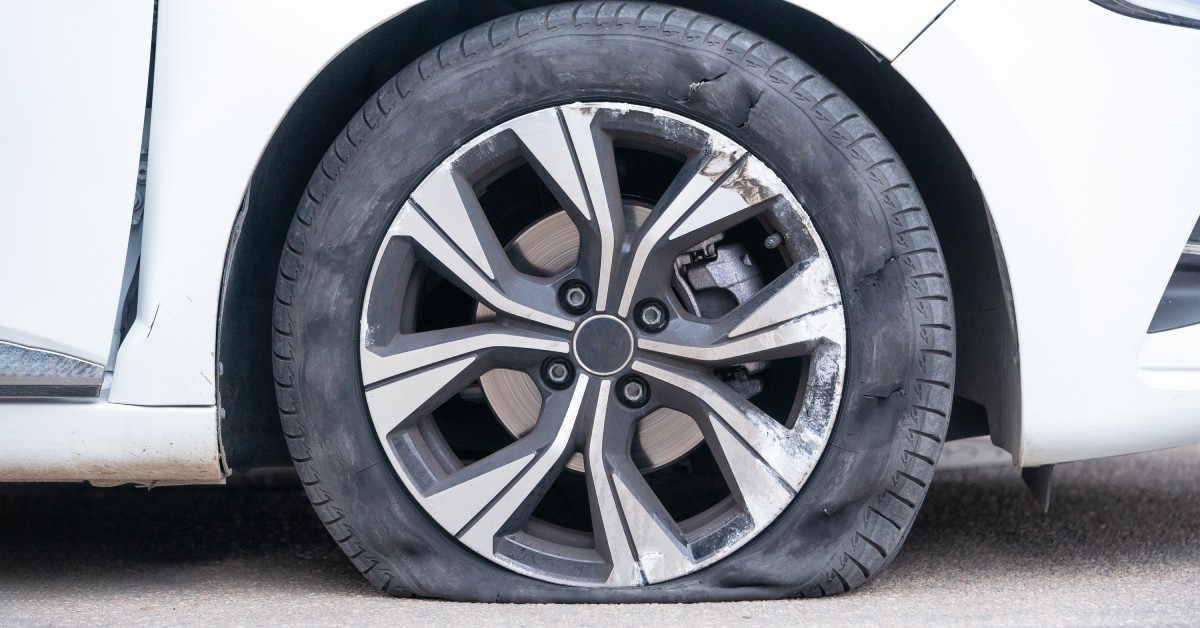
Tire sidewalls absorb impact from potholes, curbs, and road debris. Bulges or cracks in the sidewall indicate internal structural damage. Driving on a compromised tire increases the risk of sudden failure.
A blowout at highway speed creates immediate danger and can damage:
Replacing one damaged tire costs far less than repairing multiple vehicle systems after a high-speed failure. Visual inspections take only minutes and prevent costly consequences.
Tires wear at different rates depending on their position. Front tires often wear faster due to steering and braking forces. Skipping regular rotations causes certain tires to wear out prematurely.
When drivers delay rotations, they reduce overall tire lifespan and create uneven traction. Uneven traction affects braking distance and stability during emergency maneuvers. Replacing two tires early often leads to replacing all four for consistent performance.
Routine rotations protect the investment and maintain balanced handling. RNR Tire Express offers professional tire services that help drivers extend tread life while maintaining safety.
Worn tread reduces grip on wet or uneven surfaces. Reduced traction forces the braking system to work harder during stops. Brake pads and rotors absorb additional strain when tires fail to grip properly.
Longer stopping distances increase accident risk. Harder braking accelerates brake component wear. Replacing pads and rotors costs more than replacing worn tires at the right time.
Drivers who monitor tread depth avoid extra strain on braking systems and maintain better control in emergency situations.
Vehicle alignment directly affects tire wear and steering response. Hitting potholes or curbs often shifts alignment angles. Drivers may notice the vehicle pulling to one side or the steering wheel sitting off-center.
Driving with poor alignment damages tires quickly. More importantly, it places consistent strain on suspension components. Over time, worn suspension parts require full replacement.
Addressing alignment early prevents steering instability and protects suspension integrity. A simple alignment service costs far less than replacing multiple mechanical components.
Modern vehicles include tire pressure monitoring systems (TPMS). When the warning light activates, the system detects unsafe pressure levels. Some drivers ignore the alert for weeks or months.
Persistent low pressure causes structural damage inside the tire. The damage may remain invisible until a sudden failure occurs. In some cases, faulty sensors also trigger warning lights.
A professional inspection determines whether the issue involves air pressure, a slow leak, or a malfunctioning sensor. If you live near Laredo, visit RNR Tire Express. Our expert team can help you/ Drivers who visit our trusted tire shop in Laredo at the first sign of a warning light prevent further complications and protect their investment.
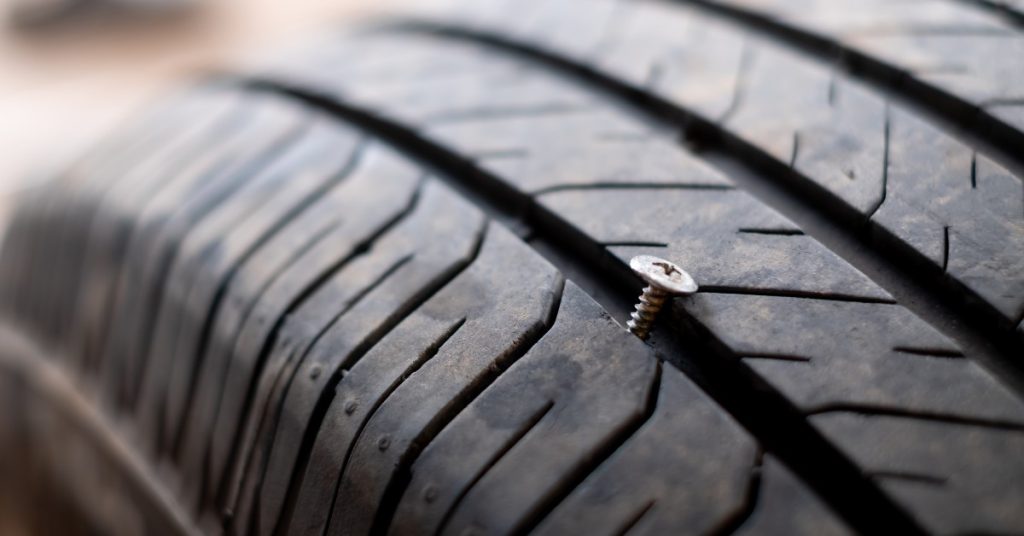
A nail or screw in the tread may appear minor. Some drivers continue driving without repair if the tire still holds air. However, small punctures often expand under highway pressure.
Air loss can occur gradually or suddenly. A slow leak forces the tire to operate under unsafe pressure for extended periods. That constant strain weakens internal components and increases the risk of blowout. Prompt patching or plugging preserves tire structure. Delaying service may require a full replacement rather than an affordable repair.
Ignoring tire warnings creates a domino effect. A simple pressure issue may lead to premature tread wear. Premature wear may contribute to alignment damage. Alignment problems may strain suspension systems. That chain reaction quickly multiplies repair costs. What begins as a minor service appointment can evolve into a major mechanical repair.
Drivers who treat tire warnings seriously maintain safer vehicles and avoid unnecessary financial stress. Proactive tire care supports vehicle longevity and overall driving confidence.
Now that you understand why ignoring tire problems leads to bigger problems, it is vital that you take steps to fix them. When warning signs appear, immediate attention protects safety and performance. Delayed action almost always increases repair complexity and expense.
RNR Tire Express remains committed to helping drivers stay ahead of costly issues with professional tire inspections, installation, rotations, and alignments. Taking action at the first sign of trouble keeps repairs manageable and prevents avoidable damage. Visit us today for a tire inspection and ensure you’re safe on the road.
By signing up you agree to our Privacy Policy.