Misc.
|
Jan 17, 2020
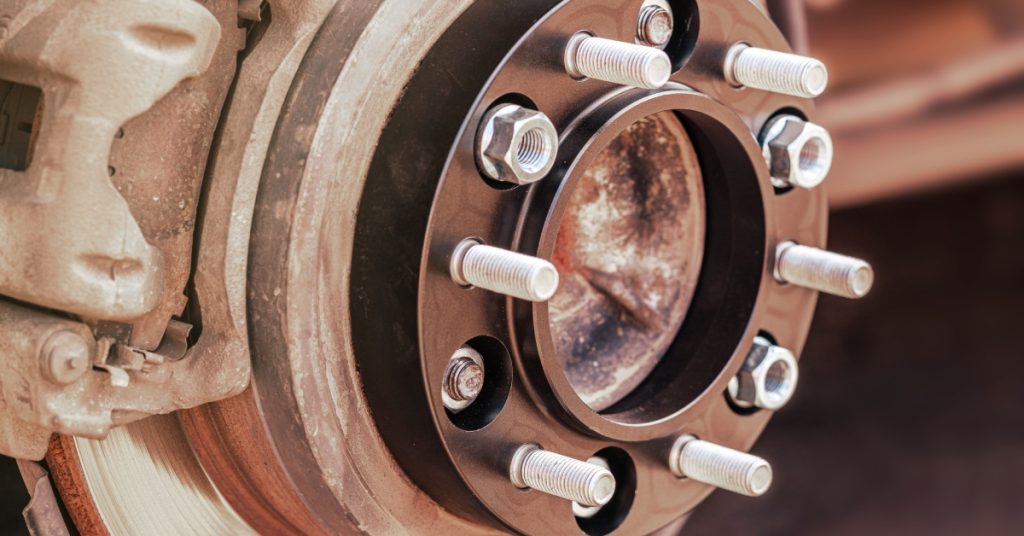
Wheel spacers are a popular modification among car enthusiasts. They can improve your vehicle’s handling by widening the track and allowing the installation of larger brakes or custom wheels. But can they ever damage your vehicle?
The short answer is that when installed correctly, high-quality wheel spacers are perfectly safe and will not damage your vehicle. However, as with any modification, improper installation or the use of low-quality products can lead to serious problems. Read on to learn what you need to know when it comes to car wheel spacers and potential vehicle damage.
A wheel spacer is a precision-engineered metal disc that fits between your car’s wheel hub and the wheel itself. By adding this extra thickness, the spacer pushes the wheel further out from the hub, effectively widening your vehicle’s track.
They come in two main types:
The primary function of wheel spacers is to create extra clearance. You might need to prevent a wider tire from rubbing against suspension components or to fit a big brake kit that wouldn’t otherwise clear your wheel’s spokes. Aesthetically, they push the wheels out to be flush with the fenders, creating a more aggressive and planted look.
While quality wheel spacers are safe, potential damage can occur if you don’t choose and install them with care. Most issues with wheel spacers stem from a few key areas: poor-quality materials, improper installation, and incorrect sizing.
Accelerated wear on wheel bearings, ball joints, and hubs is one of the most cited concerns when using wheel spacers. By pushing the wheel further out, spacers increase the scrub radius and place additional leverage on these components.
Think of it like holding a weight. Holding it close to your body is easy, but keeping it extended is much harder. The spacer acts like that extended arm, putting more stress on the bearing. While a high-quality bearing can withstand significant loads, poor-quality or excessively wide spacers can accelerate wear over time.
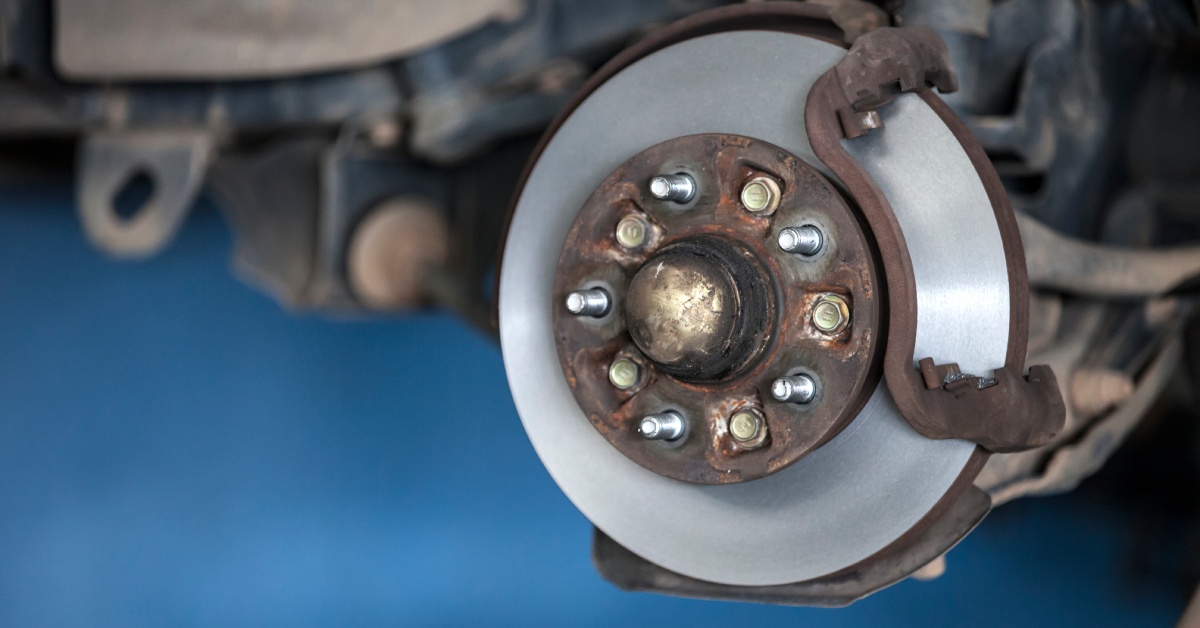
Improperly installed or low-quality spacers are a primary cause of vehicle vibration. If the spacer is not perfectly hub-centric, it can create an imbalance that you’ll feel as a vibration, especially at higher speeds.
This is the most frightening, and thankfully rarest, risk. Wheel detachment almost always comes down to installation error.
Using low-quality aluminum for spacers can be a major problem. Inferior materials can crack or deform under the stress of driving, leading to stud failure. Furthermore, if bolt-on spacers are not torqued correctly, the studs can loosen and eventually break.
The key to avoiding these issues lies in a three-step approach: buying a quality product, ensuring proper fitment, and installing it correctly.
Not all wheel spacers are created equal. Avoid cheap, unbranded options you might find on auction sites. Look for spacers from reputable manufacturers that use high-grade materials.
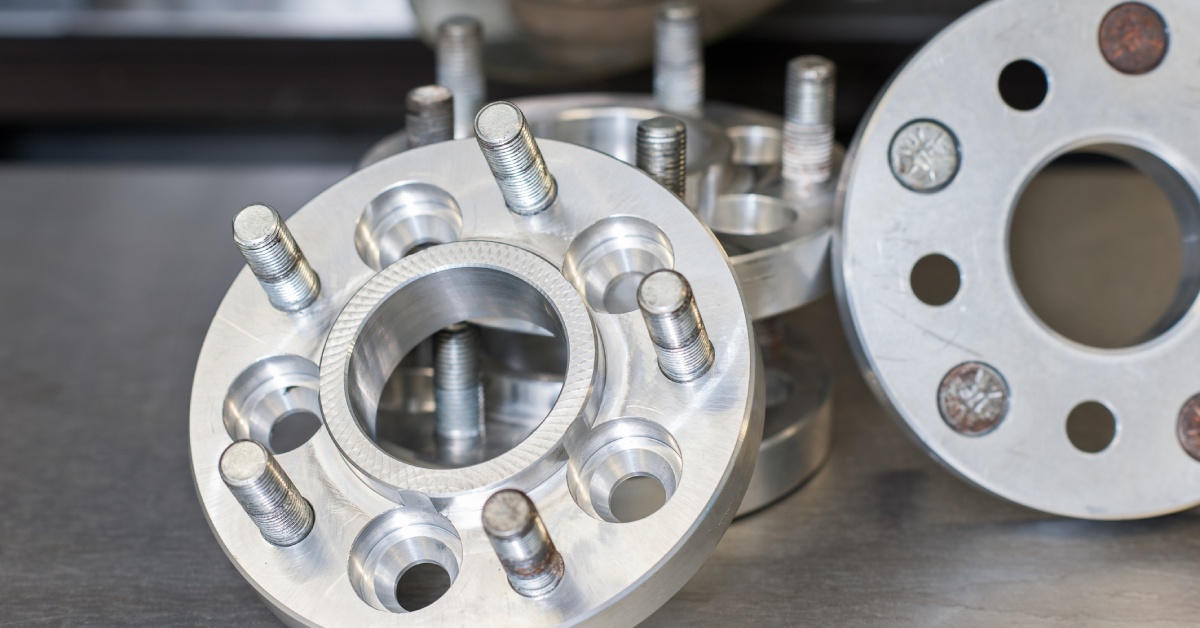
Measure twice, buy once. Before purchasing, determine the correct thickness for your needs.
This is the most critical step. Even the best spacers in the world can be dangerous if installed incorrectly.
So, do wheel spacers damage your car? No, not if you are a responsible vehicle owner. When you invest in high-quality, hub-centric spacers made from durable materials and ensure certified professionals install them in accordance with specifications, they are a safe and effective modification.
The problems and horror stories you might hear almost always stem from cutting corners—using cheap, poorly made products or failing to follow proper installation techniques. By prioritizing quality and correct installation, you can achieve the look and performance benefits of wheel spacers without compromising your vehicle’s safety or integrity.
Looking for a tire shop in McAllen? RNR Tire Express has everything you need for your wheels. From our high-quality tire brands to our wheel frames, we make sure your tires work well at every level. Plus, with our affordable payment options, you don’t have to worry about breaking the bank when shopping. Come on in to browse our catalog!
By signing up you agree to our Privacy Policy.