Misc.
|
Jan 17, 2020
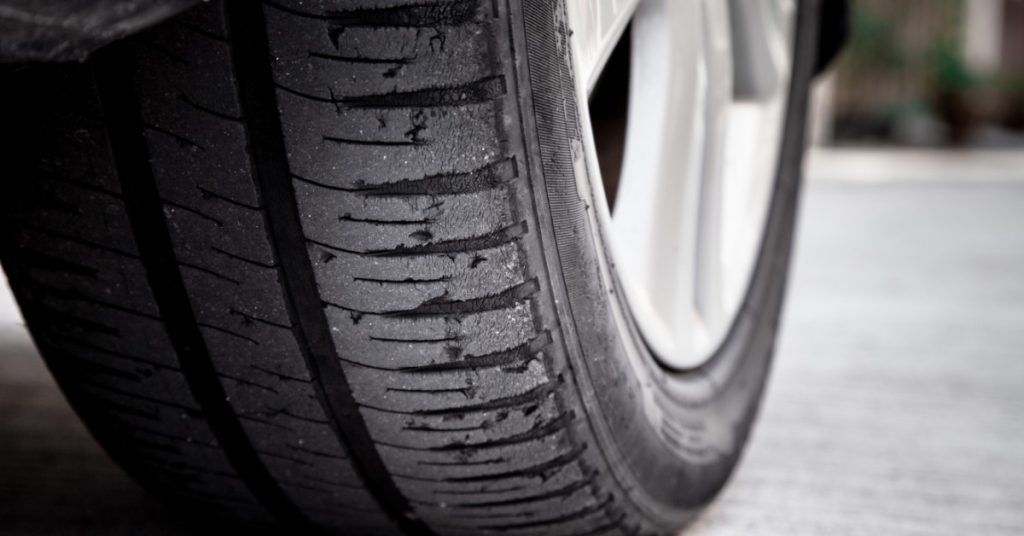
Your car’s tires carry you to your destination. However, they do much more than that. They respond to every stop, turn, and surface you put them through, meaning your daily driving style can affect how long they last.
Many drivers only think about tire wear when the tread looks low, but habits behind the wheel can start shortening tire life long before that point. Understanding bad driving habits that wear out your tires faster can help you treat your tires more carefully and notice when something needs attention.
Fast starts may seem harmless when traffic clears or a light turns green, but they put sudden force through the tires before the vehicle has time to move smoothly. The tread must grab the road quickly, which can create extra heat and friction.
Over time, repeated aggressive acceleration can wear the front tires faster than the others. Drivers may notice this more on vehicles with strong torque or frequent stop-and-go routes. A smoother start gives the tires a better chance to roll instead of scrubbing against the pavement.
Braking is part of normal driving, but slamming on the brakes turns a controlled stop into a harsh event for the tires. The tire surface can drag against the road as weight shifts forward, which increases wear on the front tires.
Frequent hard braking can wear the tread faster in certain areas because the tires are subjected to repeated stress. Leaving more space between vehicles helps reduce sudden stops. When braking becomes smoother, tires stay more evenly planted, and the vehicle remains easier to control.
Tires are designed to handle turns, but they are not meant to be forced through every corner with sharp pressure. Taking turns too fast pushes the tires’ outer edges harder against the road. That extra side force can make the shoulders wear down before the center of the tread does.
A driver may not notice the change right away because edge wear can build gradually. Slowing before the turn, instead of during it, gives the tires a cleaner path through the corner.
Underinflated tires flex more than they should as the vehicle moves. Extra flex creates heat, which can weaken the tire structure and wear the outer edges of the tread.
Low pressure can also make steering feel heavier, which sometimes leads drivers to adjust without realizing the tires are struggling. This habit is easy to overlook because a tire can be low before it looks flat. Checking tire pressure regularly keeps the tread in better contact with the road and supports safer daily driving.
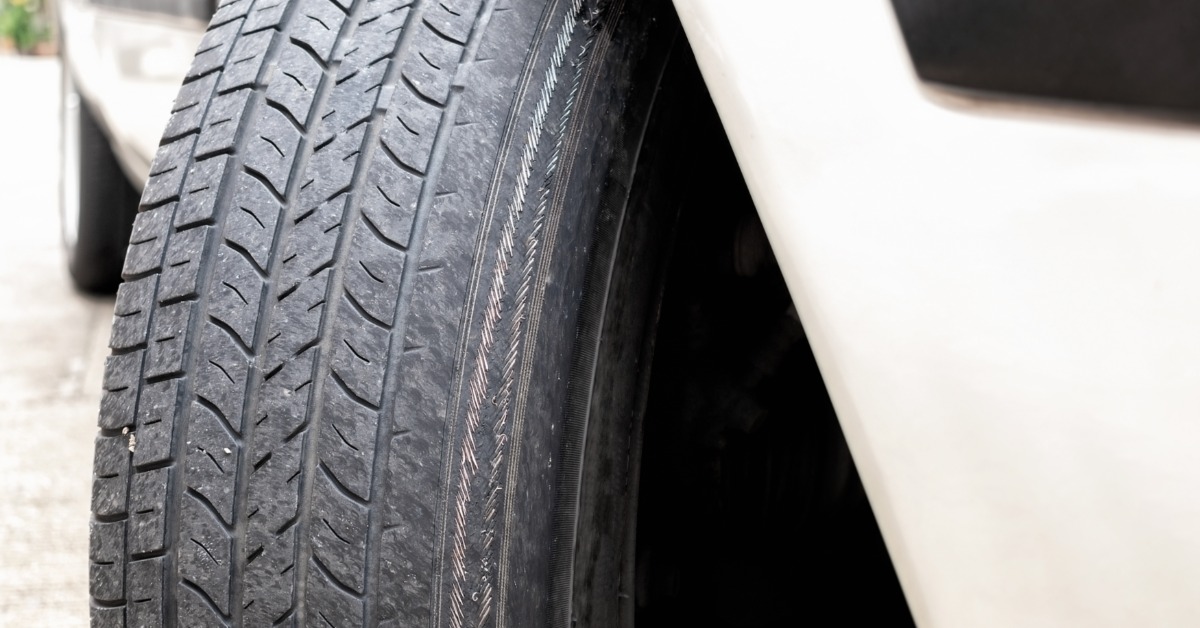
Too much air pressure creates a different kind of problem. An overinflated tire can become too firm, causing the center of the tread to carry more of the vehicle’s weight. When that happens, the middle of the tire wears faster than the shoulders.
The ride can become rougher because the tire has less give over small bumps. Following the pressure listed for your vehicle, rather than the maximum printed on the tire, helps keep the contact patch closer to its intended design.
Alignment problems change the way your tires meet the road. Instead of rolling straight, the tires may drag slightly at an angle, which can shave tread away faster than normal driving would. Pulling to one side, an off-center steering wheel, or uneven tread wear can all point toward an alignment concern.
A trusted tire shop in Panama City, FL, can check whether your vehicle needs an adjustment before the wear pattern becomes harder to correct. In particular, RNR Tire Express helps drivers keep alignment needs in better shape with simple service and flexible payment options.
Potholes can damage tires in a single hit, but smaller impacts can cause trouble over time as well. Striking sharp road edges or debris can bruise the tire or knock the vehicle slightly out of alignment.
Even when the tire does not go flat, internal damage may be difficult to see from the outside. A sudden vibration after an impact is worth taking seriously. Slowing down on rough roads gives tires more time to absorb the surface without taking on the full force at once.
Every tire is built to carry a certain amount of weight. When a vehicle is overloaded, the tires must support more than they were designed to handle, increasing heat and pressure on the tread.
Heavy loads can make sidewalls flex more and may speed up wear across the tire. The extra strain becomes more serious during longer drives because heat continues to build. Checking your vehicle’s load limits before hauling heavy items helps protect the tires from stress they were never meant to carry.
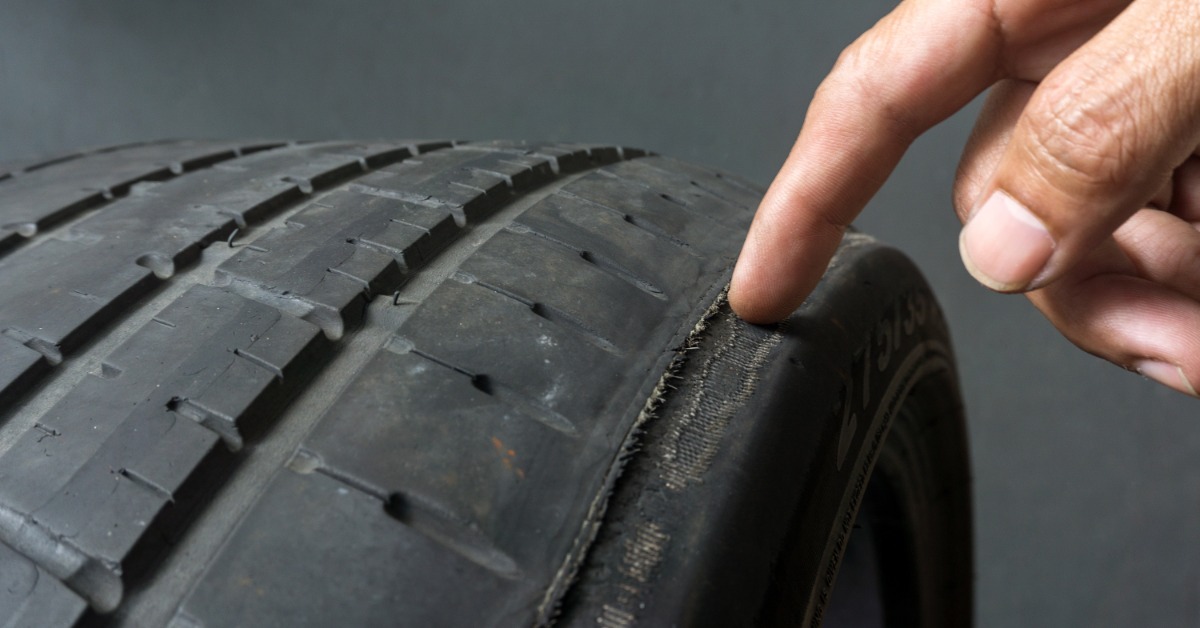
Tires do not wear at the same rate in every position of a vehicle. Front tires handle more steering and braking force, while rear tires carry their own share of load and stability demands.
Tire rotations help spread that work more evenly, so one set does not wear out too soon. Skipping rotations can leave you with two tires that look worn while the others still have usable tread. Staying on a rotation schedule helps you get more balanced wear across the full set, so you don’t have to replace tires as early as expected.
Tread depth is important, but age deserves attention too. Rubber changes over time, even when a vehicle is not driven very often. Heat, sunlight, storage conditions, and normal exposure can make tires less flexible over time. Older tires can show cracking along the sidewall or between tread blocks.
A tire inspection determines whether the tire is still safe to use or whether replacement makes more sense. Drivers who only look at tread depth could miss signs that the rubber itself is no longer dependable.
Tire wear is not only about mileage. The way you accelerate, brake, turn, load, and maintain your vehicle shapes how long your tires stay dependable. Small driving changes can make tire care feel less like a chore and more like part of keeping your vehicle ready for the road. When you understand bad driving habits that wear out your tires faster, it becomes easier to protect your investment and know when RNR Tire Express should take a closer look.
By signing up you agree to our Privacy Policy.