Misc.
|
Jan 17, 2020
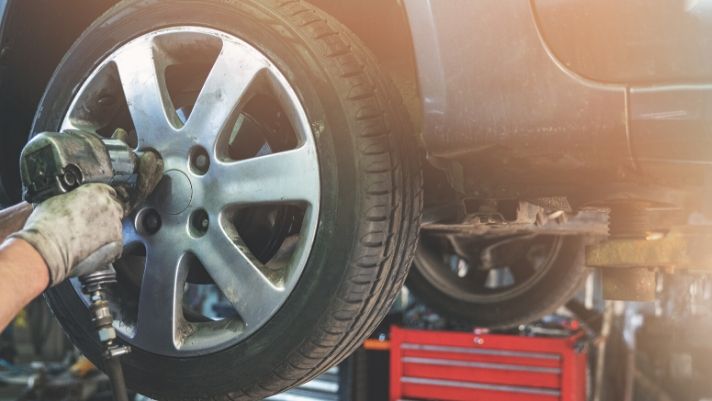
Wheel bearing trouble is easy to mistake for everyday road noise until the sound starts following you through every drive. Learning the signs you need to replace your wheel bearings allows you to catch the problem before it affects control or safety. Here are six warning signs worth taking seriously.
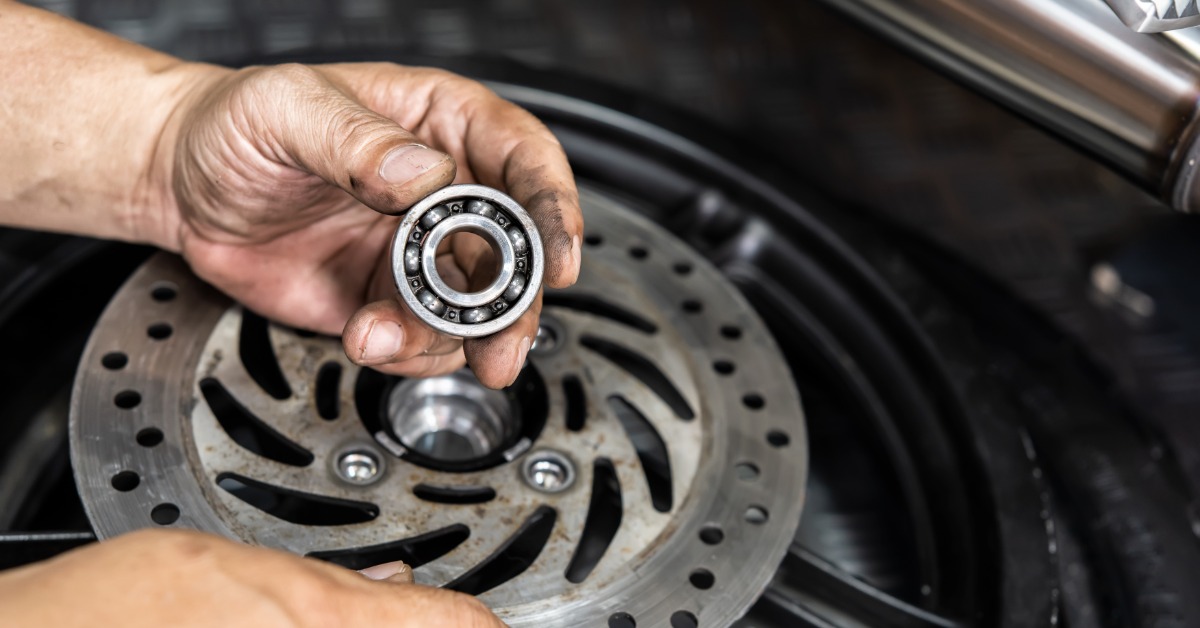
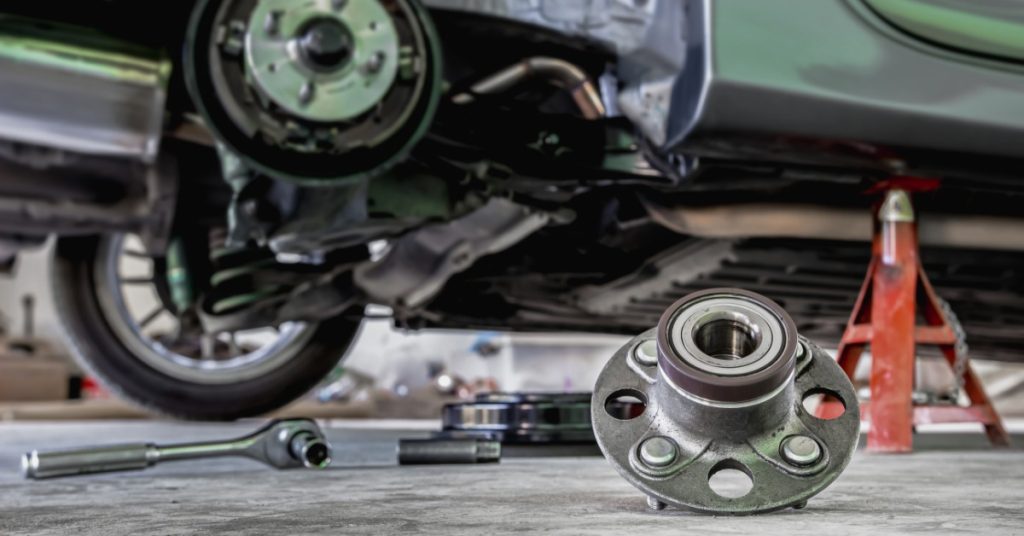
Wheel bearings sit inside the wheel hub, allowing each wheel to rotate smoothly with less friction. When they work properly, most drivers never think about them. However, the trouble starts when the bearing loses lubrication, sustains damage, or wears out from age and mileage. A worn wheel bearing changes how the wheel moves, and the warning signs are easier to recognize once you know how each symptom behaves on the road.
A bad wheel bearing usually announces itself before it creates a major drivability issue. The sound might start as a low growl that blends into road noise, then grows sharper as the bearing gets worse. The noise might change when you steer. If the growl gets louder during a gentle turn, the vehicle’s weight shifts toward the worn bearing, stressing it further. That detail separates bearing noise from tire hum or brake noise.
A grinding sound points to more serious wear. At that stage, the bearing is no longer rolling cleanly inside the hub.
Steering wheel vibration from a wheel bearing does not always result in dramatic symptoms, such as excessive shaking. It might show up as a faint shake that gets stronger with speed. The vibration happens because the wheel no longer rotates with steady support. Instead of spinning cleanly, it develops extra movement inside the hub. That movement travels through the suspension and steering system until the driver notices it through the wheel.
This symptom warrants a closer look when accompanied by noise. Vibration paired with a growl makes the bearing a stronger suspect.
Uneven tire wear is a clue that the wheel is not meeting the road the way it should. A failing bearing allows small changes in wheel angle as the vehicle moves. Those changes place extra pressure on certain parts of the tread.
This wear pattern might look different from normal tire aging. One section of the tire might wear out faster, or you might notice the surface developing a rough texture when you run your hand over it. A worn bearing is not the only reason tires wear unevenly. Alignment trouble and suspension wear might create similar results. That is why a professional inspection at a tire shop in Montgomery, AL, for example, identifies the real source of the tread pattern rather than guessing based on appearance alone.
Your anti-lock braking system depends on wheel speed information to manage braking during a sudden stop. Many modern vehicles gather that information near the wheel hub. When bearing wear affects the sensor area or the wheel speed reading, the ABS warning light turns on.
The warning does not always mean the bearing itself has failed. A damaged sensor or a wiring issue could trigger the same light. The ABS plays an important role during hard braking. Ignoring the light leaves you without a clear understanding of whether the system is ready to respond.
A vehicle that pulls to one side makes every drive more tiring. Drivers sometimes blame alignment first, and that is a reasonable place to look. A worn wheel bearing, however, might create drag on one wheel and cause the vehicle to drift off a straight path.
Pulling might be subtle. You may notice that you keep correcting the steering wheel on roads where the vehicle used to track straight. The change is more noticeable at steady speeds because the affected wheel is working against the rest of the vehicle.
This symptom becomes more significant when it occurs alongside noise from the same corner. Pulling alone does not prove the bearing is bad, but it tells you the wheel assembly needs attention.
A loose or wobbly wheel is one of the most serious warning signs. As the bearing wears, the wheel develops extra play inside the hub. Movement here affects control because the wheel is no longer held as firmly as it should be.
Drivers sense this as instability during turns or braking. In severe cases, the vehicle feels less planted even on smooth roads. This is not a symptom to test by driving more, because it points to a part that keeps the wheel secure.
A mechanic checks for play by lifting the vehicle and safely moving the wheel by hand. If the wheel shifts beyond normal limits, the bearing or related hub assembly needs replacement.
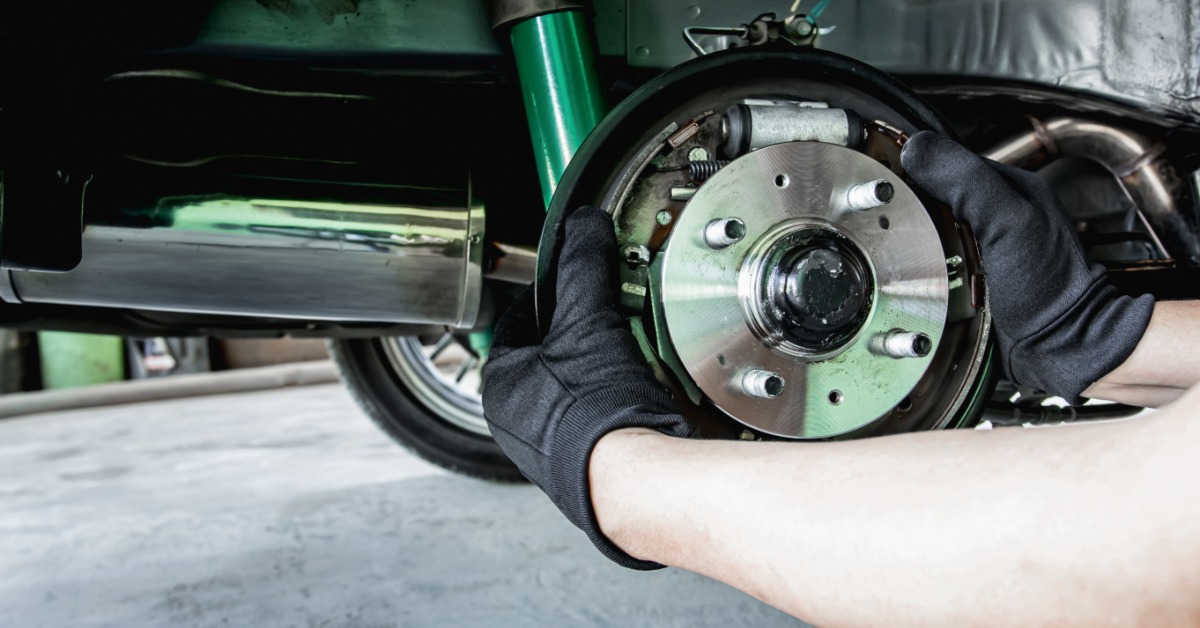
A proper diagnosis starts with the symptoms the driver noticed. The technician will ask when the sound started, whether it changes with speed, and whether turning the vehicle changes the noise. Those details guide the inspection before the vehicle goes on a lift.
During the inspection, the mechanic checks the wheel for looseness, listens for rough movement, and looks for tire wear patterns. A road test confirms which side is making the noise, since sound travels through the cabin, making the source hard to identify. The key is separating wheel bearing trouble from other problems with similar symptoms.
A failing wheel bearing does not repair itself. Once the internal surfaces wear down, heat and friction keep worsening the damage. The longer the issue remains, the more stress it places on nearby components.
Delaying service may turn a straightforward repair into a bigger problem. The hub, tire, brake, and suspension components are under extra strain when the wheel does not rotate properly. In extreme cases, bearing failure affects vehicle control and road safety.
Early diagnosis usually gives you more repair options and fewer damaged parts to address. Waiting until the sound gets louder raises the risk of a more expensive visit.
The right time to replace a wheel bearing is when inspection confirms looseness or damage inside the hub assembly. Symptoms guide you toward service, but the final call should come from a proper diagnosis. That approach keeps the repair accurate and helps avoid replacing parts based only on a guess.
If your vehicle has started growling, vibrating, pulling, or wearing tires unevenly, schedule a visit before the issue gets worse. RNR Tire Express helps drivers stay confident with tire and wheel services that fit everyday needs and real budgets. Signs you need to replace your wheel bearings should never be ignored because the wheel assembly plays too important a role in how your vehicle handles the road.
By signing up you agree to our Privacy Policy.