Maintenance
|
Jun 13, 2023
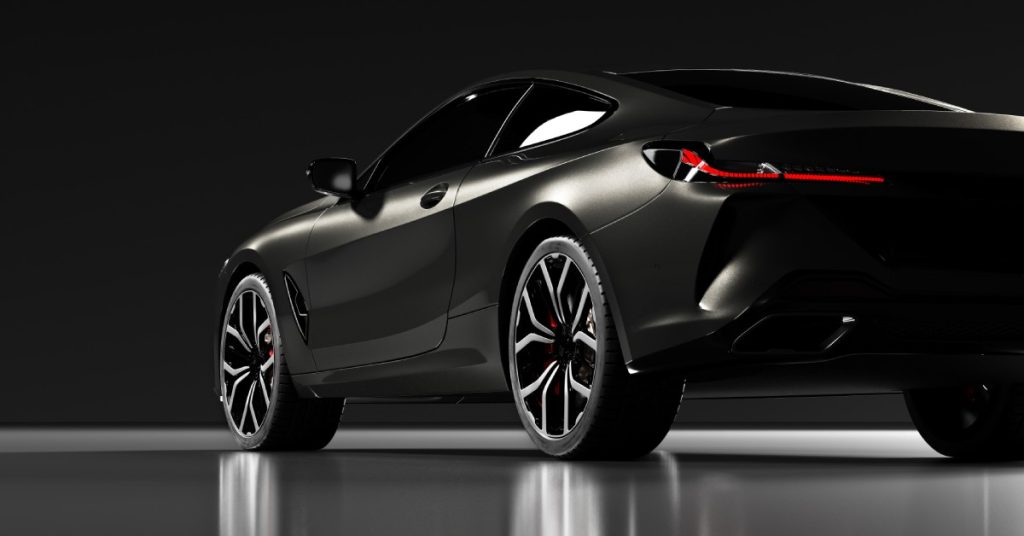
Electric vehicles are transforming roads everywhere. As more drivers switch from gas-powered cars to EVs, the tire industry faces a unique challenge: creating products that meet the specific demands of these heavier, more powerful machines.
If you own or are considering an EV, understanding how the EV Boom has reshaped the tire industry can help you make smarter choices about maintenance and replacements. The shift to electric isn’t just changing what’s under the hood; it’s fundamentally altering what connects your car to the road.
Electric vehicles place different demands on tires than traditional cars. The reasons come down to three key factors: weight, torque, and noise.
Weight matters more than you think. EV batteries are heavy. A Tesla Model 3’s battery pack alone weighs around 1,060 pounds. This extra weight increases tire wear, particularly during acceleration and braking. Standard tires designed for lighter vehicles simply wear out faster on EVs.
Instant torque changes everything. Unlike gas engines that gradually build power, electric motors deliver maximum torque immediately. This instant power transfer puts tremendous stress on tires during takeoff. Every stoplight becomes a potential tire test.
Silence reveals hidden noise. Without engine noise masking road sounds, tire hums become much more noticeable in EVs. Drivers who never noticed tire noise in their gas cars suddenly find it distracting. This has pushed manufacturers to develop quieter tire designs specifically for electric vehicles.
Tire manufacturers have responded to these challenges by engineering tires specifically for electric vehicles. These specialized designs incorporate several key features.
EV tires use stronger internal structures to handle the extra weight. Reinforced sidewalls and additional load-bearing layers help prevent premature wear and maintain structural integrity under heavy loads. This construction also improves handling stability, which matters when you’re carrying hundreds of pounds of batteries.
Many EV buyers experience “range anxiety”. Every mile counts. Low-rolling-resistance tires help maximize driving range by reducing the energy required to keep the vehicle moving. These tires use specialized rubber compounds and tread patterns that minimize friction without sacrificing grip or safety.
To address cabin noise concerns, manufacturers have incorporated foam inserts and specialized tread patterns. These features absorb road vibrations and reduce the frequency of tire hum. The result is a quieter, more comfortable ride that matches the peaceful nature of electric propulsion.

That instant torque we mentioned earlier requires tires that can transfer power effectively without spinning. EV-specific tires feature tread compounds optimized for quick acceleration while maintaining wet and dry traction. This balance ensures both performance and safety.
The tire industry’s transformation isn’t just theoretical; it’s happening now. Global EV sales reached 14 million units in 2023, more than triple the approximately 3 million sold in 2020. This rapid adoption means tire manufacturers must scale up production of EV-specific products quickly.
Major tire brands have committed billions to developing and manufacturing these specialized tires. Michelin, Bridgestone, Continental, and Goodyear have all launched dedicated EV tire lines. These investments reflect the industry’s recognition that electric vehicles represent the future of personal transportation.
The financial impact extends beyond tire manufacturers. Service centers and retailers must stock new inventory and train technicians on EV tire requirements. This ripple effect touches every part of the automotive service ecosystem.
If you drive an electric vehicle, here’s what you need to know about tire management.
The extra weight of EVs makes proper inflation crucial. Underinflated tires wear faster and reduce range. Most EVs include tire pressure monitoring systems, but manual checks monthly ensure optimal performance.
EV weight distribution differs from gas cars, often causing uneven wear patterns. Follow your manufacturer’s rotation schedule, typically every 5,000 to 7,000 miles. Regular rotation extends tire life and maintains balanced handling.
When you need new tires, invest in ones designed for electric vehicles. While they may cost slightly more upfront, their durability and range optimization provide better long-term value. Standard tires will wear out faster and may compromise your vehicle’s efficiency.
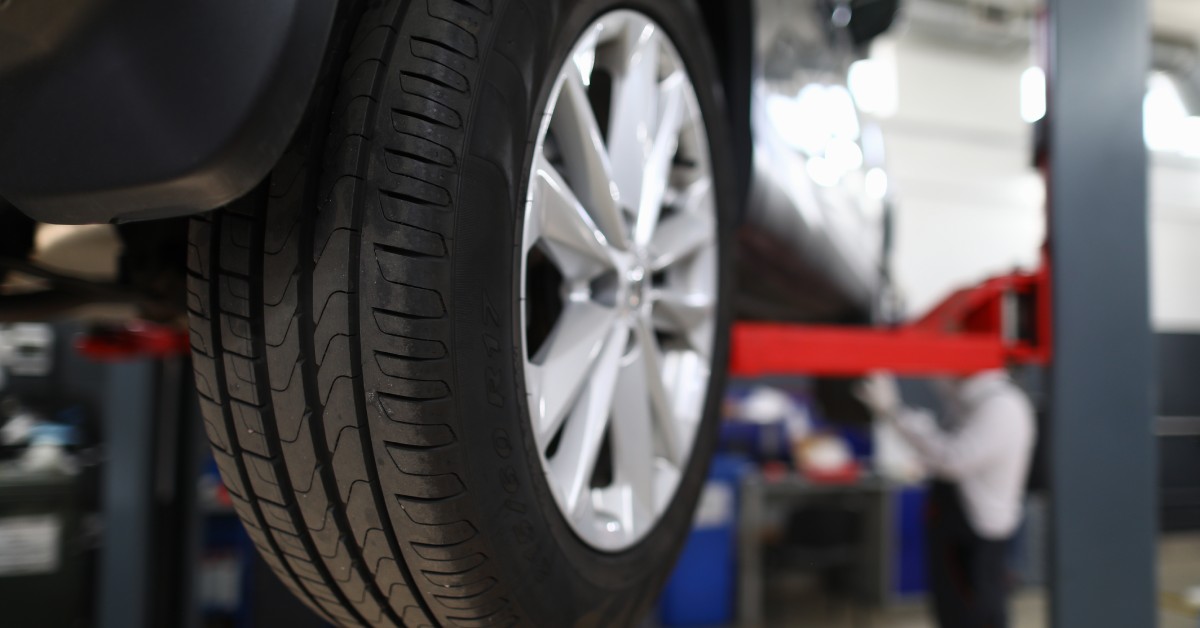
The combination of vehicle weight and instant torque accelerates wear and tear on your tires. Check your treads for any visible problems that need to be fixed.
Use apps or digital tools to record tire rotations, pressure checks, and replacements. This data helps you identify wear patterns and plan for tire purchases. Many modern vehicles offer integrated maintenance tracking through their infotainment systems.
The environmental benefits of EVs extend beyond zero tailpipe emissions. However, faster tire wear creates its own ecological challenge. Tire particles contribute to microplastic pollution in waterways and soil.
Manufacturers are responding by developing more durable compounds and exploring sustainable materials. Some companies now incorporate recycled rubber and bio-based materials into EV tire production. These innovations aim to extend tire life while reducing environmental impact.
For drivers concerned about their environmental footprint, proper tire maintenance becomes even more important. Longer-lasting tires mean fewer replacements and less waste. Regular pressure checks, timely rotations, and smooth driving habits all contribute to sustainability.
Innovation in EV tire technology continues at a rapid pace. Research teams are exploring self-healing materials that automatically repair minor punctures. Others are investigating airless tire designs that eliminate flats while reducing weight.
Smart tires with embedded sensors represent another frontier. These tires could communicate directly with your vehicle, providing real-time data on pressure, temperature, and wear. This information would enable predictive maintenance, alerting you to issues before they become problems.
As EV adoption grows, expect tire prices to become more competitive. Economies of scale and increased production capacity should help offset the premium currently associated with EV-specific tires. This makes electric vehicle ownership more accessible for budget-conscious drivers.
The EV revolution has created new considerations for the tire industry. Tires matter more than ever when you’re driving an electric vehicle. The right tires extend your range, improve safety, and reduce long-term costs.
Stay informed about tire technology developments. As manufacturers continue innovating, new products will offer better performance and value. Regular maintenance remains your best strategy for maximizing tire life and getting the most from your electric vehicle.
When it comes to finding reliable tires for your vehicle, RNR Tire Express remains a trusted choice for electric and non-electric drivers. Offering a wide range of high-quality tires, our tire shop in McAllen can help you find everything you need for your vehicle’s tires. Visit us today to explore your tire options.