Safety Tips
|
Jul 28, 2023
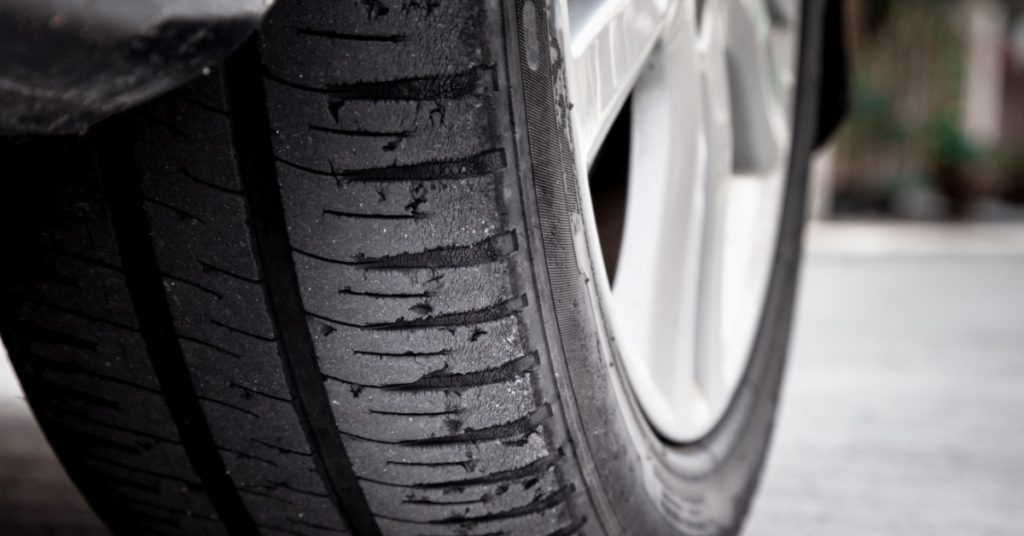
Seasonal temperature changes place constant stress on vehicle tires, which directly impacts safety and performance. Drivers across the country often underestimate how much seasonal temperature swings can affect tire wear, rubber compounds, and air pressure.
Tire wear does not occur evenly as temperatures change, leading to reduced traction and increased replacement costs. Understanding these effects helps vehicle owners protect their investment.
Temperature directly alters the physical properties of tire rubber, and those changes affect how tires grip the road. Heat softens rubber compounds, increasing flexibility but accelerating wear.
Cold temperatures stiffen the rubber, reducing traction and making the tire less responsive during braking. These constant changes create a cycle of expansion and contraction that gradually weakens the tire structure, leaving you vulnerable during daily drives.
Air pressure also shifts with temperature, further compounding the problem. Warm air expands, raising tire pressure, while cold air contracts, lowering it quickly. Improper inflation leads to uneven wear patterns, especially along the edges or center of the tread. Drivers who ignore these fluctuations risk reduced fuel efficiency and compromised handling.
High summer temperatures create harsh conditions that speed up tread degradation. Hot pavement increases friction, which causes the tire surface to break down faster than usual. Softened rubber compounds wear more quickly under heavy loads, especially during long highway drives. Drivers often notice reduced tread depth sooner when they fail to monitor their tires during peak-heat months.
Heat also raises tire pressure beyond recommended levels, which changes the tire’s contact patch. Overinflated tires wear more in the center, reducing overall stability. This uneven wear shortens tire lifespan and increases the risk of blowouts. Consistent pressure checks help prevent these costly and dangerous issues.
Cold weather presents a different set of challenges that affect tire durability. Low temperatures cause rubber to harden, which limits flexibility and reduces traction on icy or wet roads. Tires struggle to maintain proper road contact as the compound stiffens, increasing stopping distances. Drivers often experience less control when temperatures drop suddenly.
Air pressure decreases significantly in cold weather, leading to underinflated tires. Underinflation causes excessive wear along the outer edges of the tread and increases rolling resistance. This condition forces the engine to work harder, which reduces fuel efficiency over time. Routine pressure adjustments during winter protect both the tires and overall vehicle performance.
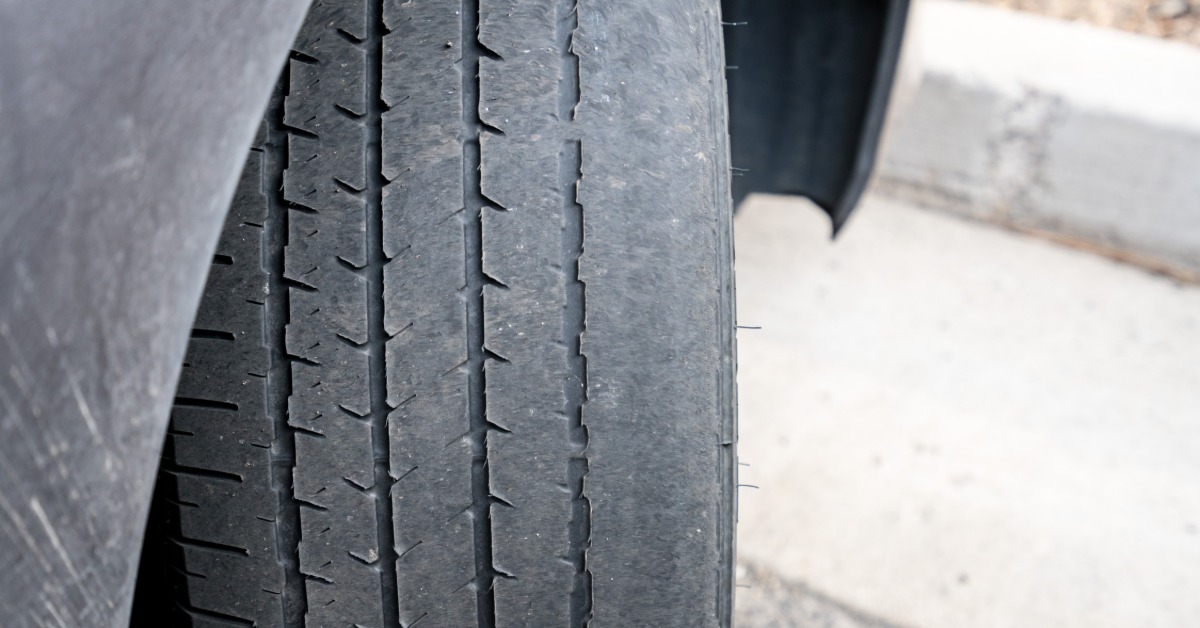
Seasonal transitions create rapid temperature swings that place additional stress on tires. Spring and fall often bring dramatic shifts between warm days and cold nights, which cause repeated expansion and contraction. This constant fluctuation weakens internal tire components and accelerates structural fatigue. Over time, small cracks and irregular wear patterns begin to appear.
Drivers rarely consider how these swings affect tire pressure on a daily basis. Pressure can fluctuate by several PSI over a short period, which can alter handling characteristics unpredictably. Tires may feel stable during the day but become less responsive at night. Regular monitoring during transitional seasons helps maintain consistent performance.
Temperature fluctuations rarely produce uniform wear across all four tires. Instead, drivers often see irregular patterns that indicate underlying issues. These patterns provide early warning signs that help prevent more serious problems. Recognizing them early allows for timely corrections and longer tire life.
Common temperature-related wear patterns include:
Each of these patterns signals the need for immediate attention and maintenance. Ignoring them leads to reduced safety and higher replacement costs.
Modern tires use specialized rubber compounds designed for specific temperature ranges. Summer tires prioritize grip in warm conditions, while winter tires maintain flexibility in cold weather. All-season tires attempt to balance both, but they cannot excel in extreme conditions. Choosing the right compound plays a critical role in managing wear.
Temperature swings challenge these compounds beyond their optimal range. A summer tire exposed to cold conditions becomes stiff and loses traction quickly. A winter tire used in hot weather softens excessively and wears down faster. Drivers who match tires to seasonal conditions experience better performance and longer lifespan.
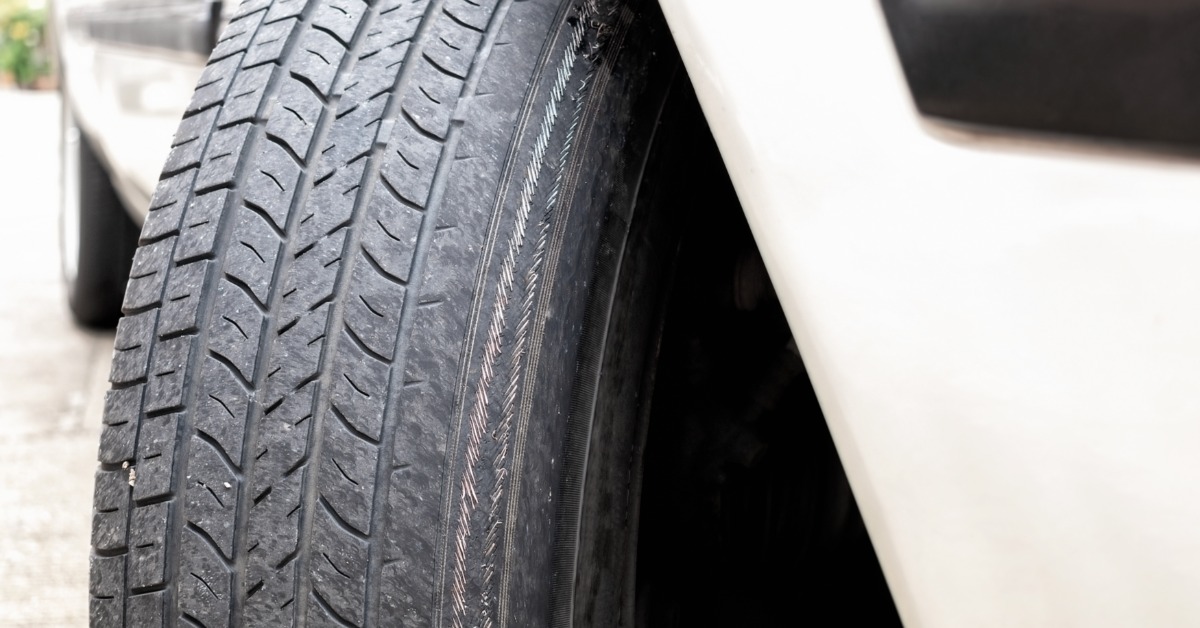
Consistent maintenance helps counteract the effects of seasonal temperature changes. Drivers who stay proactive can significantly extend tire life and improve safety. Small adjustments make a noticeable difference over time. These habits protect both the tires and the overall driving experience.
Key maintenance practices include checking tire pressure at least once a month. Rotating tires regularly ensures even wear across all positions. Alignments help maintain proper contact with the road and prevent irregular patterns. Visual inspections catch early signs of damage before they worsen.
Temperature-related wear eventually reaches a point where replacement becomes necessary. Worn tread reduces traction, especially during wet or icy conditions. Cracks and structural damage indicate that the tire is no longer safe to use. Drivers should never delay replacement when these signs appear.
Tread depth provides one of the most reliable indicators of tire health. Tires with low tread depth struggle to channel water effectively, increasing the risk of hydroplaning. Uneven wear patterns also signal that the tire cannot maintain consistent performance. Replacing tires at the right time prevents accidents and improves overall handling.
Selecting a reliable tire provider ensures access to products designed for varying temperatures. Professional guidance helps drivers choose the right tire type for their region and driving habits. A trusted provider simplifies the entire process.
If you’re looking for tires in Clovis, RNR Tire Express offers a wide range of tire options tailored to seasonal demands. Our expertise helps drivers navigate temperature-related challenges with confidence. With flexible payment options, you can find high-quality tires without financial strain. Drivers who invest in support from RNR Tire Express can experience safer travel year-round, thanks to top-of-the-line maintenance.
Properly managing the effects of seasonal temperature swings delivers long-term advantages and reduces tire wear. Tires last longer when drivers address pressure changes and wear patterns early, reducing risks during daily drives. These benefits add up to significant cost savings over time.
Safety also improves when tires perform consistently across all seasons. Reliable traction reduces the risk of accidents in both hot and cold conditions. Drivers gain confidence knowing their tires can handle sudden changes in weather. Staying proactive ensures that seasonal temperature swings never compromise performance.