Safety Tips
|
Jul 28, 2023
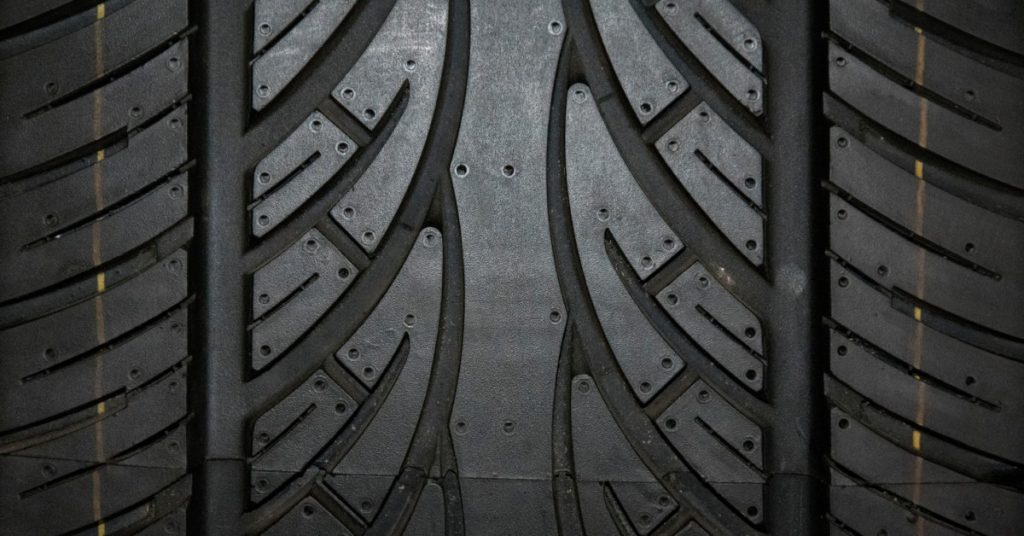
The tire industry is on the brink of a major transformation. For decades, tire manufacturing has relied on traditional methods involving molds, rubber compounds, and labor-intensive processes. But 3D printing technology is changing the game, offering new possibilities for customization, sustainability, and performance that could reshape how we think about tires.
If you’re a car owner who depends on your vehicle for daily commutes, understanding these advances matters. The tires of tomorrow could offer better fuel efficiency, longer lifespans, and even custom designs tailored to your specific driving needs. Here’s what you need to know about the impact of 3D printing on the future of tires.
3D printing, also known as additive manufacturing, builds objects layer by layer from digital designs. Unlike traditional tire production that uses molds and requires multiple steps, 3D printing creates tires directly from raw materials based on computer models.
Several major tire manufacturers have already begun experimenting with this technology. Michelin, Bridgestone, and Goodyear have all unveiled concept tires that demonstrate the potential of 3D printing. These prototypes showcase features that would be difficult or impossible to achieve with conventional methods.
The process typically involves specialized 3D printers capable of working with rubber-like materials and other compounds. These machines precisely control the placement of materials, allowing for intricate internal structures and varying densities within a single tire.
3D-printed tires represent a groundbreaking innovation with the potential to transform the driving experience. Below are some of the most significant advantages of 3D-printed tires.
Personalized tires are one of the most exciting possibilities. 3D printing could allow manufacturers to create tires specifically designed for your vehicle, driving habits, and local road conditions.
Commute mostly on highways? You can optimize your tires for better fuel efficiency and a smoother ride. Navigate city streets with frequent stops? Just adjust the tread pattern for better grip during acceleration and braking. This level of customization simply isn’t economical with traditional manufacturing, but 3D printing makes it feasible.
Fuel costs represent a significant expense for daily commuters. 3D-printed tires can incorporate optimized internal structures that reduce rolling resistance without sacrificing safety or performance.
Michelin’s Vision concept tire, for example, features an airless design with a unique internal structure that’s only possible through 3D printing. This design reduces weight and rolling resistance, potentially improving fuel efficiency by several percentage points. Over thousands of miles, those savings add up.
Traditional tires wear down gradually, eventually requiring replacements. Some 3D printing concepts envision tires with replaceable tread sections. Instead of replacing the entire tire, you could simply print and attach new tread when needed.
This approach could significantly extend tires’ lifespans while reducing waste. For car owners tracking maintenance costs, the ability to refresh specific worn sections rather than buy complete tire sets could mean substantial savings.
Environmental concerns are increasingly important to many drivers. 3D printing opens doors to using sustainable and recycled materials in tire production.
Goodyear showcases concept tires made partially from biological materials, such as natural rubber, rice husks, and other renewable resources. The precision of 3D printing allows you to position these alternative materials exactly where they work best, creating tires that are both eco-friendly and high-performing.
As 3D printing improves, its applications expand for these new tires. But what can you do with this technology? Well, these breakthroughs address environmental concerns and improve cost-effectiveness, making their real-world applications a game-changer for the automotive industry.
Flat tires are one of the most common and frustrating vehicle issues. Several companies are developing 3D-printed airless tires that eliminate this problem entirely.
These tires use complex internal structures that provide cushioning and flexibility without requiring air pressure. Engineers designed Michelin’s Uptis (Unique Puncture-proof Tire System) for passenger vehicles and could reach the market within the next few years. For commuters, this means fewer roadside emergencies and reduced maintenance hassles.
3D printing enables designers to embed sensors and connectivity features directly into tires during manufacturing. These smart tires can monitor pressure, temperature, tread depth, and road conditions in real time.
This technology pairs perfectly with the vehicle management apps many drivers already use. Imagine receiving alerts on your smartphone when tire pressure drops or when tread depth reaches the point where you need to replace your tire. These proactive notifications help prevent breakdowns and ensure optimal safety.
Traditional tire production requires large inventories and complex distribution networks. 3D printing could enable more localized, on-demand manufacturing.
Instead of waiting for a specific tire size to be shipped from a warehouse, a local service center could potentially print the exact tire you need. This reduces delivery times and ensures you get precisely what your vehicle requires.
While 3D printing holds enormous promise, several hurdles remain before it becomes mainstream in tire manufacturing.
Production Speed: Current 3D printing technology is slower than conventional tire manufacturing. Producing tires at the scale needed for millions of vehicles requires significant speed improvements.
Material Durability: While prototypes show promise, 3D-printed tires must meet rigorous safety and durability standards. Extensive testing is needed to ensure these tires can withstand years of varied driving conditions.
Cost: The specialized equipment and materials required for 3D printing tires are currently expensive. As the technology matures and scales up, costs should decrease, but affordability remains a near-term challenge.
Regulatory Approval: New tire technologies must pass strict safety regulations before they can be sold to consumers. The approval process takes time and requires comprehensive testing data.
The tire innovations enabled by 3D printing align perfectly with the priorities of today’s drivers: safety, efficiency, convenience, and sustainability.
Better Safety: Customized tread patterns and airless designs reduce the risk of accidents caused by tire failures. Smart sensors provide early warnings about potential issues before they become dangerous.
Lower Costs: While initial prices may be higher, the longer lifespan and reduced maintenance needs of advanced 3D-printed tires could save money over time. Tracking these savings through your vehicle management app will help you see the value.
Improved Performance: Tires optimized for your specific driving patterns and conditions deliver better handling, comfort, and fuel efficiency. Your daily commute becomes smoother and more economical.
3D printing represents an impressive change for the future of tire manufacturing. It’s a fundamental shift in how we design, produce, and customize tires. These innovations promise to make driving safer, more efficient, and more sustainable.
While this technology is still developing, you can find reliable tire options at RNR Tire Express. Visit our tire shop in Clovis to explore a wide selection of tires for your car. With our various payment options, you can find the best tires for any budget. Don’t wait for your tires to wear out; find new tires today with RNR Tire Express.