Wheels
|
Mar 9, 2026
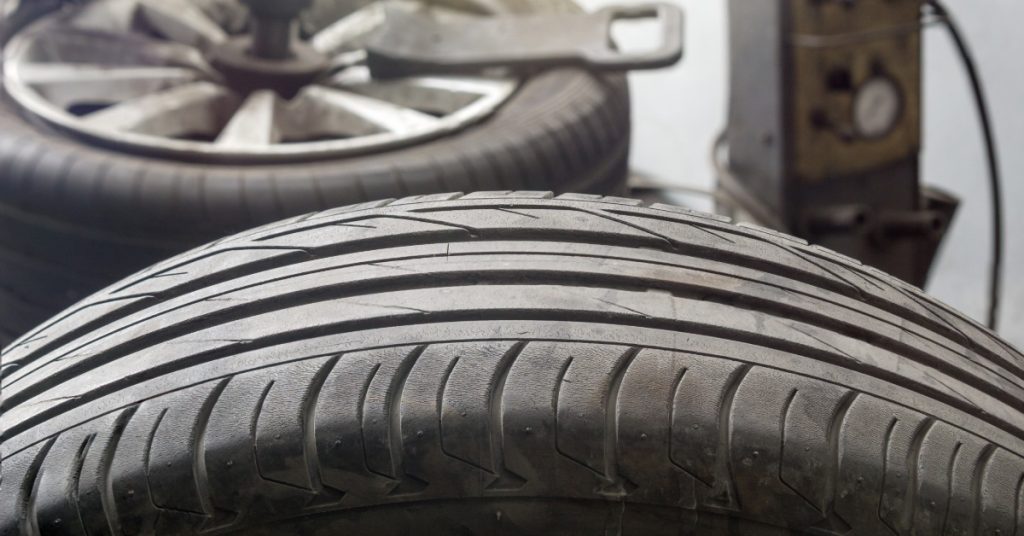
Dry rot can make a tire look worn out before the tread reaches the end of its life. It can also weaken the rubber, create small cracks, and reduce the tire’s ability to perform the way it should on the road.
Drivers can prevent dry rot by protecting tires from heat, sunlight, chemicals, low air pressure, and long periods of inactivity. With the right habits, you can help your tires last longer, stay safer, and look better between replacements. Below, we’ll list some of the ways that you can prevent dry rot on your car’s tires.
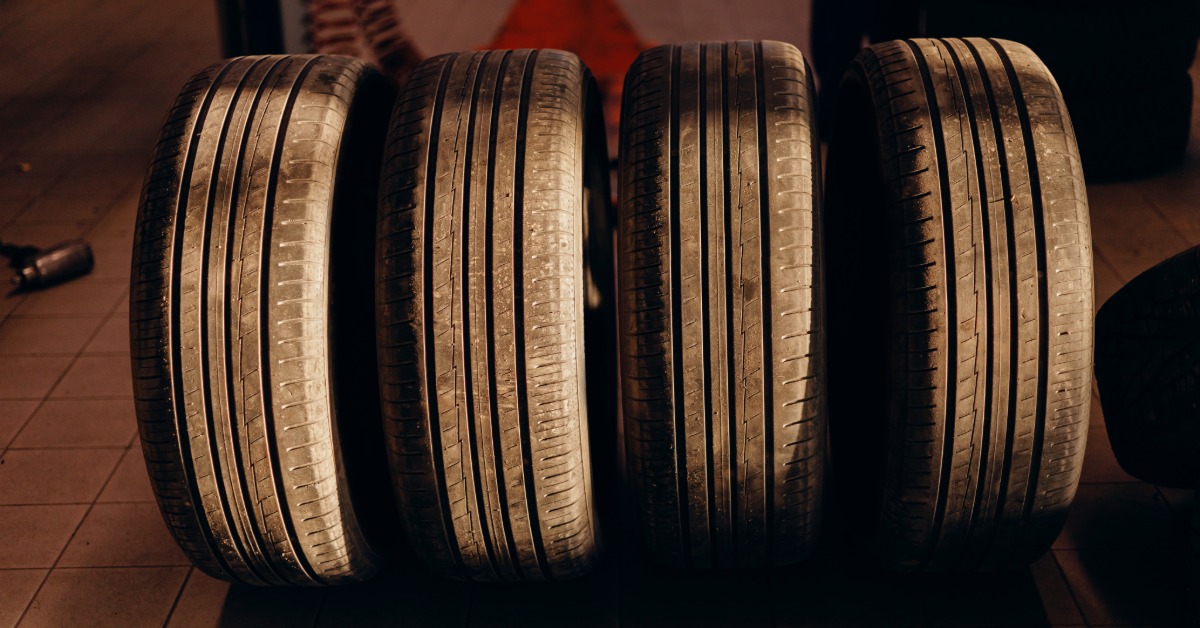
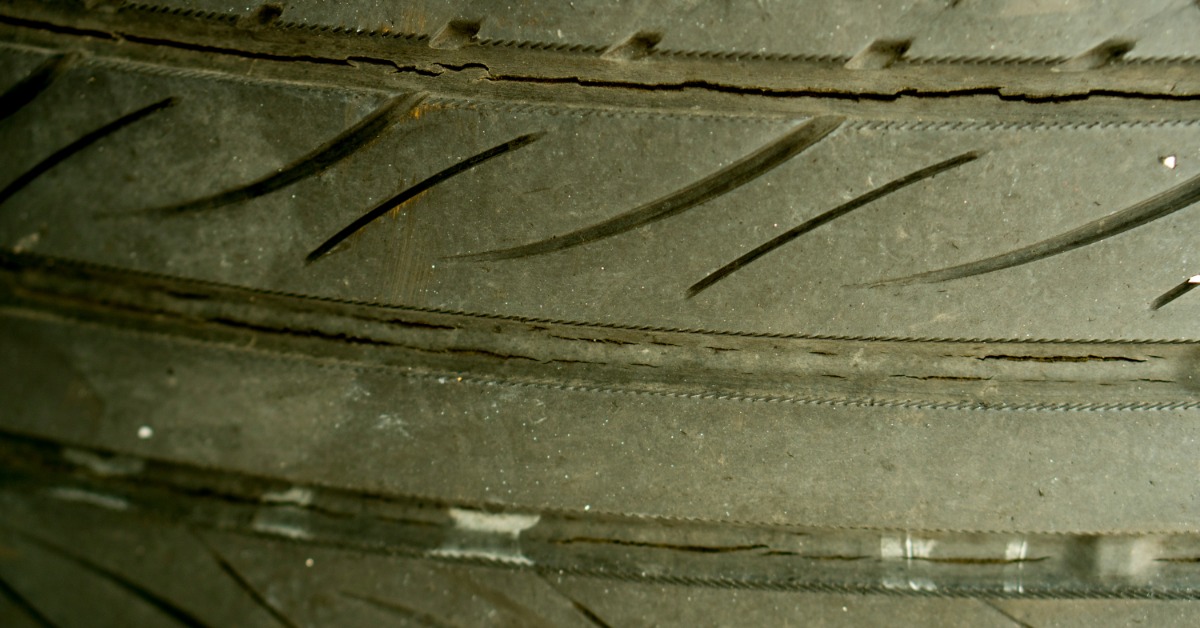
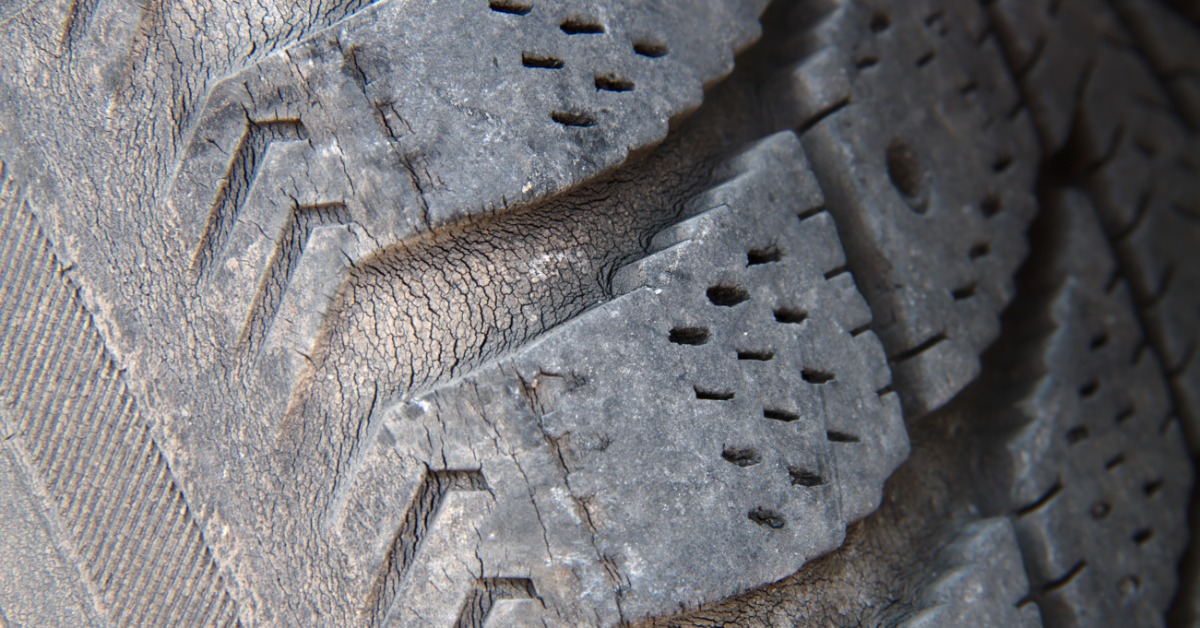
Tire dry rot happens when rubber loses flexibility and begins to crack. You may notice tiny lines on the sidewall, cracking between tread blocks, faded rubber, or a brittle surface texture.
Dry rot does not work like normal tread wear. A tire may still have tread left, but cracked or weakened rubber can still make it unsafe for regular driving. If you spot dry rot on your car’s tires, you should replace them immediately.
Rubber breaks down over time as it faces heat, sunlight, ozone, road grime, and moisture changes. Tires also need regular use because driving helps keep protective compounds moving through the rubber.
A parked vehicle can develop dry rot faster than a vehicle that sees steady use. Tires that sit in one position for long periods can lose flexibility, flatten in spots, and dry out around the sidewalls.
Dry rot does not happen suddenly; it slowly takes hold of a car’s tires and degrades them to the point where they’re undrivable. Below are some of the simple ways every driver can prevent dry rot on their car tires.
Sunlight can speed up rubber aging, especially when you park your vehicle outside for long stretches. Direct UV exposure can dry the tire surface and make the sidewalls more likely to crack.
Choose covered parking, a garage, a carport, or a shaded area when you can. Even a small reduction in direct sun exposure can help protect the rubber from heat and UV damage.
Tire covers help block sunlight, dirt, and weather when a vehicle sits outside. They work especially well for cars that stay stationary for long periods. If you’re parking a car long-term or putting it into storage, tire covers are a useful solution.
Make sure the covers fit properly and stay secure in windy conditions. Clean the tires before covering them so you do not trap grime, salt, or chemicals against the rubber.
Low air pressure creates extra stress on the sidewalls. When tires flex too much, the rubber heats up, weakens, and becomes more vulnerable to cracking.
Check air pressure at least once a month and before longer drives. Use the pressure listed on the vehicle’s door placard, not the number printed on the tire sidewall.
Regular driving helps tires stay flexible. As the tire rolls, the rubber warms up, moves, and helps distribute protective compounds through the tire.
A vehicle that sits for weeks or months can develop cracks and flat spots. Even a short drive can help more than simply starting the car and letting it idle. If you have a car in long-term storage, taking it for a 15-minute drive once a month can help deter dry rot from taking over.
Road grime, brake dust, oil, and chemicals can sit on the rubber and speed up wear. Cleaning your tires removes buildup before it can damage the surface.
Use mild soap, water, and a soft brush. Avoid harsh cleaners, petroleum-based products, and strong solvents because they can strip protective oils from the rubber. Ideally, you should clean your car’s tires monthly.
Some tire shine products make tires look glossy, but not all formulas protect the rubber. Solvent-based products can dry the tire surface and contribute to cracking over time.
Choose water-based tire dressings when you want a cleaner appearance. Apply them lightly, and do not use products that leave the tire greasy or sticky.
Road salt, cleaning chemicals, and industrial grime can cling to tires and wheels. These materials can dry out rubber and corrode nearby wheel components.
Rinse your tires and wheels after driving through salty, muddy, or chemical-heavy roads. Pay attention to the lower sidewall, tread grooves, and the area around the rim.
If you keep seasonal tires or spare tires in storage, place them in a cool, dry, and dark space. Heat, sunlight, and moisture can shorten tire life even when the tires are not on a vehicle.
Clean and dry the tires before storage. Store unmounted tires upright, and keep mounted tires stacked or hung, depending on the space and setup.
Ozone can break down rubber and cause cracking. Electric motors, generators, compressors, and some appliances can produce ozone in small amounts.
Do not store tires next to these items in a garage or workshop. Give tires a clean, separate storage area away from heat, sparks, fumes, and electrical equipment.
Tire rotation helps each tire wear more evenly. Even wear reduces stress on certain areas of the tire and helps you spot cracking before it gets worse.
Follow the rotation schedule in your owner’s manual or ask a tire professional for guidance. Regular rotation also gives a technician a chance to inspect sidewalls, tread depth, and air pressure.
Poor alignment can make tires drag, scrub, or wear unevenly. That extra stress can weaken rubber and make existing cracks worse.
If your vehicle pulls to one side, your steering wheel sits off-center, or your tread wears unevenly, schedule an alignment check. A proper alignment helps tires roll smoothly and supports longer tire life.
Extra weight puts more pressure on tires and increases heat. That heat can speed up rubber breakdown, especially during long drives or hot weather.
Check your vehicle’s load limits before hauling heavy cargo. Spread weight evenly, and make sure your tires have the right load rating for your vehicle and driving needs.
Dry rot prevention starts with simple habits, like keeping your tires clean and out of direct exposure to sunlight when possible. When you need help choosing, inspecting, or replacing tires, visit the RNR Tire Express tire shop in Ocean Springs. Our tire experts can inspect your vehicle’s tires and offer guidance on their health or show you options for replacement. Book an appointment with our tire specialists today!