Safety Tips
|
Jul 28, 2023

Living near the coast might be great for beach weekends and seafood, but your tires? Not so much. Heat, humidity, salty air, and rough roads put a serious beating on them.
If you’re in one of these areas and need new tires, it’s important to think about how your local climate affects what kind of tire will hold up—and which ones won’t. Let’s break down tire considerations for coastal and humid regions so you know what you should look for before buying.
Salt in the air doesn’t just hit your paint job. It can also work its way into your tire’s metal components like steel belts, which causes premature breakdown from the inside. That’s bad news if you’re hoping to get full life out of your tires.
Look for tires that have strong corrosion-resistant construction. Manufacturers don’t always advertise this directly, but tires with sealed internal structures or those built for “all-season durability” often handle salt-heavy air better than budget models. And if you’re buying wheels, pick coated or alloy options to reduce the risk of rust spreading to your tire’s mounting area.

Humidity usually means rain, and lots of it. Slick roads are a year-round thing in coastal regions, especially in the South. That means your tires need solid wet traction.
What you want here is a tire with deep circumferential grooves and well-designed sipes. These features help move water out from under the tire, which keeps you from hydroplaning. If a tire is labeled “wet weather performance” or “rain handling,” it’ll commonly include these elements.
If you’re in a coastal or humid region, your tire choice often comes down to two options: all-season or summer tires. Both have their place, but they perform differently when roads are hot, wet, or both.
All-season tires are built for versatility. They give you solid traction in the rain, hold up under heat, and usually last longer. If you’re driving year-round in a place with high humidity, unpredictable storms, or a mix of city and highway miles, these are usually the better fit.
Summer tires focus more on dry performance and sharp handling. They grip well in the heat but don’t always handle standing water or sudden downpours as well. If you’re in a spot that stays mostly dry and you care about cornering or braking at higher speeds, summer tires can work—but they wear out faster and cost more over time.
Dry rot doesn’t just hit old tires—it can hit tires that sit in the sun, stay exposed to salt air, or go long stretches without use. That makes it a real concern in coastal areas, especially for drivers who don’t put on a ton of miles.
Look for tires that are specifically rated for ozone and UV resistance. Some tire manufacturers include additives in the rubber to fight breakdown from air exposure and high temps. That’s what helps stop cracks from forming in the sidewall or tread. If you’re storing your car outdoors or near the coast, this kind of protection isn’t optional—it’s important.
Coastal and humid often means hot. We’re talking long days where the pavement feels like it’s cooking your soles. That kind of heat can make cheap rubber wear out faster or even separate from the internal structure.
Tires built with heat-resistant tread compounds are better at handling hot, sticky climates. They maintain shape and traction without wearing unevenly. You might see tech terms like “silica-infused” or “advanced polymer blends” on the spec sheet—those are worth the extra dollars if you’re living somewhere like South Texas or along the Gulf.
Roads near the beach aren’t always smooth. Between construction zones, sandy shoulders, and occasional flooding, your sidewalls take a beating. If your tires don’t have reinforced sidewalls, you risk bulges or sidewall punctures more often than you’d think.
Look for tires that promote durability or talk about handling “urban conditions” or “mixed terrain.” Those usually have thicker sidewalls or tougher builds. And avoid ultra-low-profile tires if you’re dealing with potholes or rough pavement—save those for car shows, not coastal commutes.
It’s not just rain that makes roads slick. Pollen, algae, and mold build up fast in humid climates, especially in shady areas. That gunk can turn your driveway or a two-lane into a skating rink.
This is where aggressive tread patterns help. Tires with a mix of lateral and zig-zag grooves grip better on wet and dirty pavement. If you live somewhere that stays damp most of the year, don’t settle for plain highway tread. A little extra bite in the design keeps your grip consistent when the road’s less than perfect.
Every region’s roads have their own thing. In some coastal areas, it’s sand and gravel buildup. In others, it’s constant construction and broken pavement. Your tires need to match what you drive over every day.
If you’re cruising beachside highways, consider comfort-focused tires with good highway stability. If you deal with more stop-and-go or unpredictable streets, a tire built for responsiveness might make more sense. Either way, pick something that fits the roads you’re on, not just the ones you wish you had.
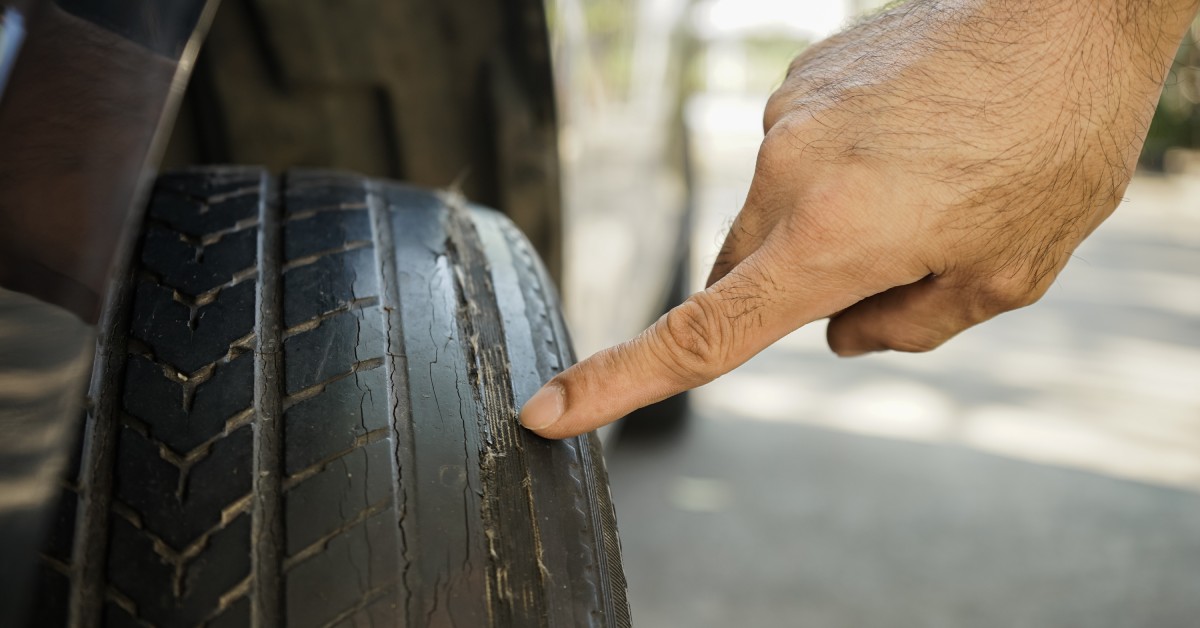
Tires in coastal areas wear differently. Uneven tread wear from high temps, pressure loss from humidity swings, and rubber cracking from salt are all real problems.
Stay ahead of it. Check your air pressure monthly—humidity and temperature changes mess with it more than you’d think. Watch for signs of dry rot or cracking, especially if your car sits a lot. And if you notice one tire wearing out faster, get a rotation or alignment check. Staying consistent with maintenance helps your tires last longer and keeps your handling reliable, even when the weather’s working against you.
If you live near the coast, you need to shop smart if you want your car tires to last. Picking the right ones depends on how you drive, where you drive, and how much abuse your tires take from heat, moisture, and rough roads. And now that you know the tire considerations for coastal and humid regions, you’re better equipped to make the right call.
If you’re in Texas, RNR Tire Express sells tires in Corpus Christi. We know what Texas weather does to your ride. It’s salty, it’s hot, it’s humid. You need tires that can hold up to all of that. We have brand-name options that are reliable, high-performance, and as a bonus, affordable. Stop on by our Corpus location or give us a call to get rolling with the right set today.