Safety Tips
|
Jun 13, 2023
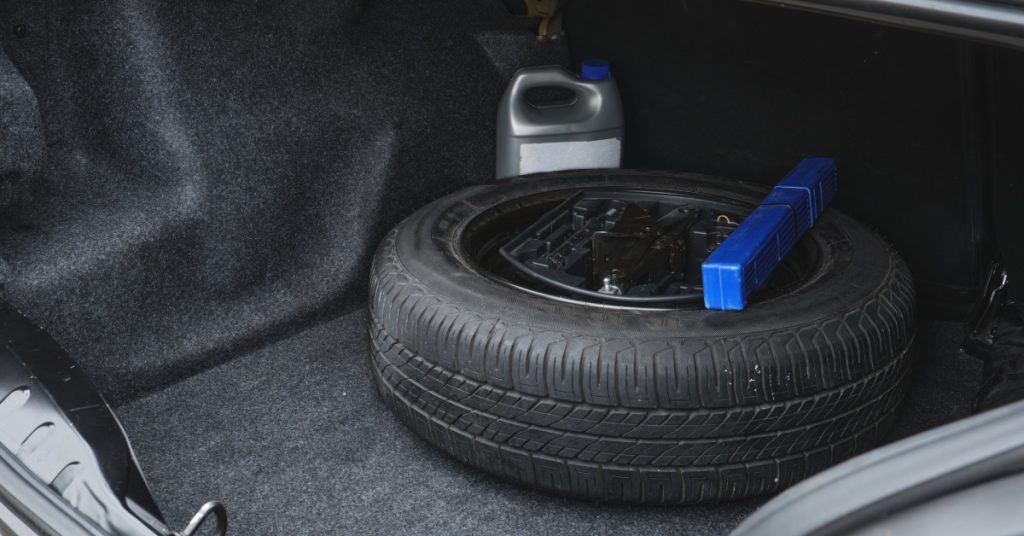
You’re in your garage or driveway, ready to tackle a tire change. Maybe you’re switching to winter treads or replacing a worn-out set to stay safe on the road. You’ve got the jack, the wrench, and the new rubber. But as you try to mount the tire onto the rim, it sticks. Friction is fighting you.
Your instinct might be to grab whatever slippery substance is nearby—dish soap, engine oil, or maybe grease. Don’t. Using the wrong substance can damage your tires and corrode your rims, so follow the dos and don’ts for tire lubricants to keep your vehicle running efficiently.
Before we get into the specific rules, let’s look at why a particular tire lubricant exists. It serves three main purposes:
Using the right product ensures you track your ride without vibrations, leaks, or hidden damage.
If you are a DIY enthusiast looking for affordable repairs, or just someone who wants to understand what your mechanic should be doing, these are the best practices to follow.
Always use a lubricant specifically designed for mounting tires. These usually come in the form of pastes, creams, or liquids. The manufacturers of these lubricants formulate them to provide high lubricity for a short time, then they become dry and tacky. This “drying tacky” part is crucial—it prevents the tire from slipping on the rim once you are back on the road.
Efficiency starts with preparation. Before applying any lubricant, use a wire brush on the rim’s bead seat area. Remove old rubber, rust, and dirt. A clean surface ensures the lubricant works effectively and the tire seals properly. If you skip this step, you invite slow leaks that will hurt your fuel efficiency and cost you time later.

Don’t be stingy. Apply a thin, even layer of lubricant to the tire bead and the rim’s bead seat area. This ensures that when the pressure builds up during inflation, the tire pops into place evenly. An even seat means a balanced tire, which translates to a smoother drive during your 10–50 mile commute.
While you are applying the lubricant, use that moment to inspect the tire bead. If you see any tears, chunks missing, or exposed wire, do not mount the tire. Lubricant can’t fix a damaged structure. Prioritizing safety over a quick fix is always the right move.
This is where many well-meaning car owners go wrong. Using household hacks for tire mounting can lead to expensive damage.
Never use grease, oil, WD-40, or any petroleum-based product. Rubber and oil are enemies. Petroleum chemically reacts with the rubber compounds in your tire, causing them to deteriorate, soften, and eventually fail. This might not happen instantly, but months down the line, it could cause a blowout.
This is the most common myth in the garage. While soap is slippery, it usually contains water and salts. Once the water evaporates, it leaves behind moisture and chemicals that promote rust on steel rims and corrosion on aluminum alloy wheels. Corroded rims lead to air leaks, so you’ll be topping off your tires constantly instead of enjoying a seamless drive.
Silicone stays slippery forever. You want the lubricant to dry so the tire sticks to the wheel. If you use silicone, the tire can actually spin on the rim when you brake hard or accelerate quickly. This “wheel slip” throws off your tire balance, ruining your smooth ride and potentially causing vibration issues.
Water creates rust. It also evaporates too quickly to be an effective lubricant during mounting. If you force a tire on with just water, you risk tearing the bead. Ripped beads mean the tire is trash—a costly mistake that defeats the purpose of trying to save money on repairs.
Every vehicle and tire manufacturer has specific guidelines. Some high-performance tires require very specific lubricants to ensure the warranty remains valid. Checking your manual or a trusted maintenance tracking app ensures you aren’t voiding a warranty or compromising safety features.
You might wonder why a little bit of grease matters if you are driving to work and back. The reality is that your tires are the only points of contact between your vehicle and the road.
When you mount a tire with the wrong lubricant, it may not seat evenly. This causes the tire to wobble. Over time, this vibration wears out your suspension components and causes uneven tire wear. By doing it right, you avoid premature breakdowns and ensure preventable mechanical issues don’t trigger your safety alerts and diagnostics system.
We know that fuel cost increases are a concern for many drivers. Tires that are properly mounted and balanced roll with less resistance. Less rolling resistance means your engine doesn’t have to work as hard, which helps optimize your fuel efficiency. It’s a small step that adds up to savings over the life of the tire.
Modern cars are smart. They rely on sensors to tell you when tire pressure is low. If you use a lubricant that corrodes the rim, it can also damage the tire pressure monitoring system (TPMS) sensors inside the wheel. Keeping these sensors healthy ensures you get accurate data and enjoy the seamless integration of your vehicle’s tech.
Taking care of your car doesn’t have to be a guessing game. Following these simple tire lubricant dos and don’ts extends the vehicle’s lifespan and ensures that your daily drive is as safe as possible.
Whether you are handling the repairs yourself or vetting a shop to do it for you, knowing the right way to treat your tires empowers you to make better decisions. It’s all about combining convenience with smart, safe choices.
Another convenient and smart choice is to find new tires in Laredo at RNR Tire Express. Our team can help you find amazing tire options that fit your car and make your daily drives even more comfortable. Come in today to find the perfect tires for you.