Misc.
|
Jul 21, 2023

Towing puts serious demand on every part of a vehicle, but tires take on some of the hardest work. The right tires help carry added weight, support stable handling, and keep the vehicle more controlled during daily driving or long-distance hauling.
Choosing tires for vehicles that tow heavy loads takes more than matching the sidewall size. Drivers should consider load ratings, tire construction, tread design, pressure requirements, and how often they tow. RNR Tire Express helps drivers compare tire options that fit their vehicle, workload, and budget, with easy payment options.
A towing vehicle does more than carry its own weight. It also carries trailer tongue weight, cargo, passengers, and extra stress during braking or turning. That added pressure can increase heat inside the tire, especially on the highway.
Heat can wear down tire rubber faster when a tire cannot handle the load. Poor tire choice can also make a truck, SUV, or work vehicle feel less steady. Towing drivers need tires that provide both strength and control.
Load rating matters more than appearance when towing heavy loads. This rating tells drivers how if a tire can safely carry the weight when properly inflated. Vehicle owners can find tire requirements in the owner’s manual or on the tire information placard.
Drivers should never guess when they tow heavy trailers. A tire with the wrong rating may look strong, but it may not support the actual weight placed on it. The right load rating helps protect the vehicle, the trailer, and everyone on the road.
Many towing vehicles use light truck tires because they’re more strongly built than standard passenger tires. These tires often show a load range, such as C, D, or E. A higher range usually means the tire can handle more air pressure and carry heavier objects.
Ply rating no longer always refers to the exact number of physical layers inside the tire. Today, it gives drivers a way to compare strength. A knowledgeable tire professional can explain which load range fits the vehicle without making the process feel confusing.
Every towing setup works differently. A half-ton truck pulling a small utility trailer doesn’t need the same tire as a heavy-duty truck hauling equipment. Drivers should consider trailer weight, towing frequency, and typical road conditions before choosing a tire.
A driver who tows once a month may value comfort during regular commuting. Someone who hauls for work every week may need a tire built to support heavier loads. Matching the tire to the real driving routine helps avoid overspending or underbuying.
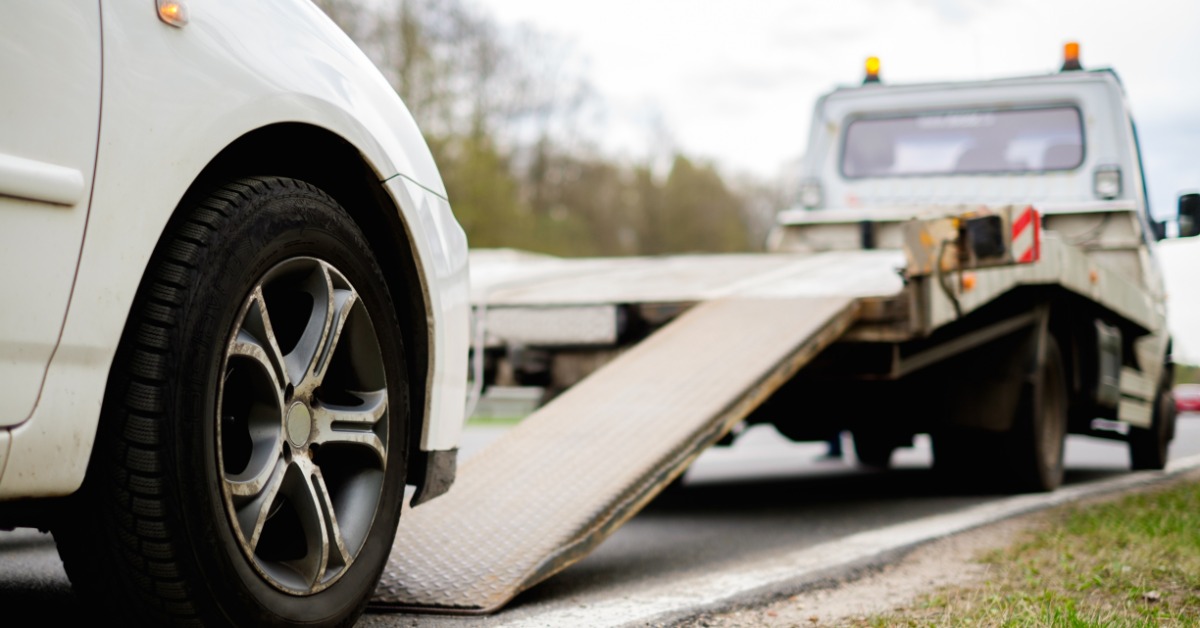
Tread design affects how a towing vehicle feels on the road. Highway tires often make sense for drivers who tow on paved roads because they support steady handling and quieter rides. All-terrain tires can help drivers who split time between pavement and job sites.
Commercial-style tires may suit drivers who often tow heavy loads. These tires usually prioritize durability and strength over ride comfort. Drivers should choose tread based on where they tow most, not just how aggressive the tire looks.
Drivers shopping for towing tires should focus on features that support weight, stability, and long-term performance. The best tire depends on the vehicle, but several details deserve close attention.
These details work together. Even a strong tire needs the right air pressure and proper installation. Drivers can ask RNR Tire Express for help comparing options before they commit to a set.
Tire pressure plays a major role when a vehicle tows heavy loads. Underinflated tires heat up faster and may feel unstable in turns. Overinflated tires can reduce ride comfort and affect tread contact with the road.
Drivers should check tire pressure before towing, not after the tires heat up from driving. The vehicle manufacturer provides pressure guidance for safe operation. When a towing setup changes, drivers may need professional guidance to confirm the right approach.
Sidewalls help the tire handle weight shifts during towing. A soft sidewall may create more sway or a less planted feel when the trailer pushes against the vehicle. Stronger sidewalls can give drivers more control during lane changes or on rough pavement.
This does not mean every driver needs the stiffest tire available. Ride comfort still matters for daily use. A tire expert can help find the right balance between towing strength and everyday drivability.
Tires often show warning signs before they create major problems. Drivers may notice uneven wear, vibration, reduced control, or cracks in the sidewall. A towing vehicle may also feel less stable when tires wear past their optimal performance range.
Regular inspections matter even when tread depth still looks acceptable. Heavy loads can expose weak spots faster than normal commuting. A quick check at a trusted shop can help drivers avoid towing on tires that no longer support the job.
Choosing the tire matters, but installation also affects performance. Proper mounting and balancing help the vehicle ride smoothly while carrying or pulling extra weight. Alignment can also affect tire wear, especially on vehicles that tow often.
Drivers searching for a reliable tire shop in Lubbock can work with RNR Tire Express to compare brand-name tires and wheel options. The team can help explain fitment, load needs, and payment options without making the process feel overly technical.
Towing tires can cost more than basic passenger tires because they need stronger materials and construction. That does not mean drivers should settle for the cheapest set without checking the ratings. A poor match can wear out quickly or make handling unsafe.
RNR Tire Express offers easy payment options for drivers who need dependable tires without delaying an important purchase. This helps customers choose tires that fit their vehicle needs instead of focusing only on the lowest upfront price. For towing, that difference matters.
Choosing tires for vehicles that tow heavy loads starts with safety and proper fit. Drivers should review load ratings, tire construction, tread design, pressure needs, and the way they actually use the vehicle. The right tire can make towing feel more stable and help protect the vehicle investment.
RNR Tire Express helps drivers find tires that match their towing demands and daily driving needs. With brand-name tire options and easy payment options, customers can choose a set that supports heavy-duty performance without making the process harder than it needs to be. Visit our Lubbock tire shop today to explore your options, with our expert team ready to help you find the best tires for your vehicle.