Tires
|
Jun 13, 2023

Getting a flat tire is one of the most frustrating experiences for any driver. You’re driving when you hear that unmistakable thump-thump-thump sound. Now you’re stranded on the side of the road, forced to either change the tire yourself or wait for roadside assistance.
Run-flat tires are perfect for this scenario. These specialized tires let you keep driving even after a puncture, giving you enough time to reach a safe location or a repair shop.
But are they right for your vehicle? Let’s explore why more drivers are choosing run-flat tires, their key benefits, and what you should consider before making the switch.
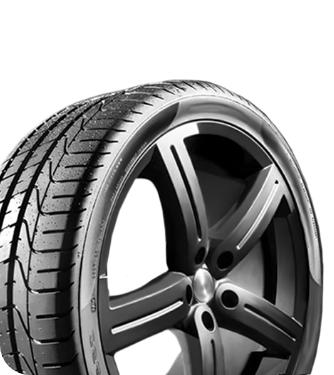
Run-flat tires have reinforced sidewalls that support your vehicle’s weight even when the tire loses air pressure. Unlike conventional tires that collapse immediately after a puncture, run-flats maintain their shape and structure, allowing you to continue driving for a limited distance, usually 50 miles at speeds up to 50 mph.
There are two main types of run-flat tires:
Most modern vehicles equipped with run-flat tires also include a tire pressure monitoring system (TPMS) that alerts you when a tire has lost pressure, so you know it’s time to seek repairs.
Run-flat tires offer a range of advantages for drivers seeking convenience, safety, and reliability on the road. Regardless of where you are on the road, understanding the key benefits of run-flat tires can help you decide if they’re the right choice for your vehicle.
Safety is the primary reason many drivers choose run-flat tires. When you experience a sudden blowout with conventional tires, you risk losing control of your vehicle, especially at highway speeds. Run-flat tires reduce this risk by maintaining stability even after a puncture.
You won’t need to pull over in dangerous locations, such as busy highways or poorly lit areas. Instead, you can safely drive to the nearest service station or your home. This feature is particularly valuable for those who frequently travel alone, commute long distances, or drive in areas with limited roadside assistance.
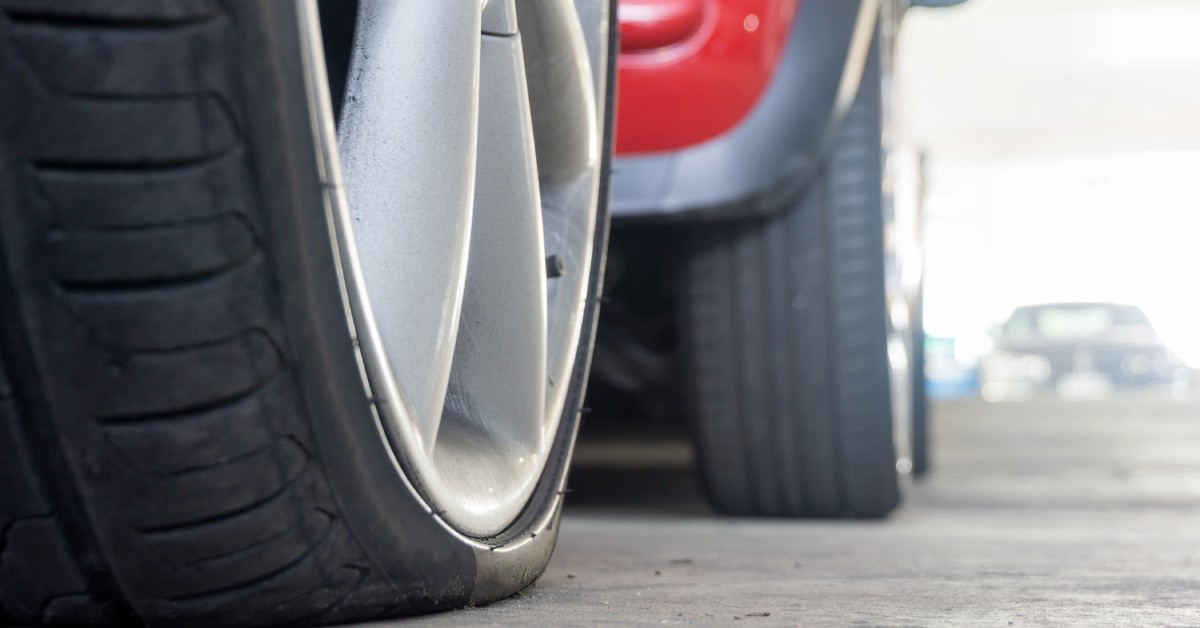
Changing a tire on the side of the road is inconvenient, time-consuming, and potentially dangerous. With run-flat tires, you eliminate the need for emergency tire changes. There’s no fumbling with a jack, no struggling to loosen lug nuts, and no exposure to passing traffic.
Because run-flat tires allow you to drive to a repair shop after a puncture, many vehicles equipped with them don’t include a spare tire. This frees up valuable trunk space for groceries, luggage, sports equipment, or anything else you need to transport.
Eliminating the spare tire, jack, and tire-changing tools can reduce your vehicle’s weight by 40 to 50 pounds. While this might not seem significant, lighter vehicles tend to offer improved fuel efficiency and better handling performance. Run-flat tires also contribute to better fuel economy and lower pump costs.
While run-flat tires offer compelling benefits, they’re not the perfect solution for every driver. Below are several factors to keep in mind before making a decision.
Run-flat tires typically cost more than conventional tires, sometimes 20 to 30 percent more per tire. The reinforced construction and specialized materials contribute to this higher price point.
However, many drivers find the added safety, convenience, and peace of mind worth the investment. When evaluating cost, consider the value of avoiding roadside emergencies and the potential savings from improved fuel efficiency.
The reinforced sidewalls that enable run-flat tires to remain functional after a puncture also make them stiffer than traditional tires. Some drivers notice a firmer, less cushioned ride, especially on rough or uneven roads.
If ride comfort is a top priority for you, test-drive a vehicle equipped with run-flat tires before committing to a full set. Modern run-flat designs have improved significantly in recent years, and many drivers find the trade-off acceptable.
When something punctures a run-flat tire, you probably won’t be able to repair it and will instead have to replace the whole thing. Conventional tires can sometimes be patched if the damage is minor, but the structural integrity of run-flats is more difficult to restore after a puncture.
This means you’ll need to replace damaged run-flat tires more frequently, which can add to long-term maintenance costs. Make sure to factor this into your budget when deciding whether run-flats are right for you.
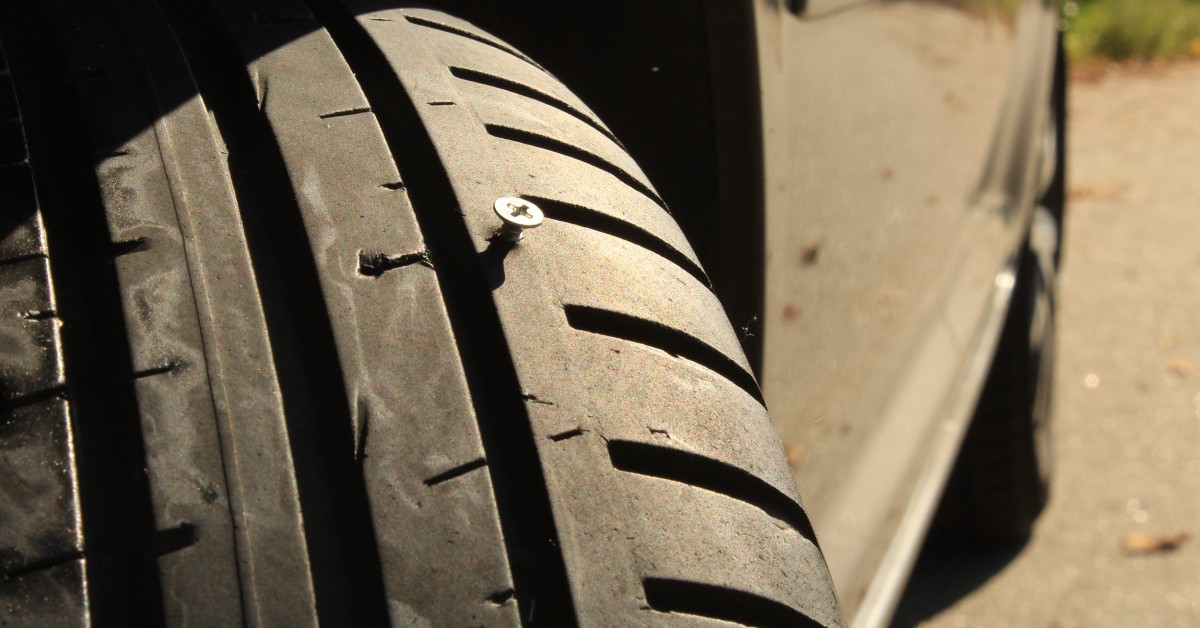
Not all vehicles are designed to accommodate run-flat tires. Your car must have a tire pressure monitoring system (TPMS) to alert you when a tire loses pressure. Without this system, you might not realize you’re driving on a deflated run-flat tire, which could cause damage to the tire or your vehicle.
Check your vehicle’s specifications or consult a trusted mechanic to confirm compatibility before making the switch.
Run-flat tires are an excellent choice for drivers who:
If you fall into any of these categories, run-flat tires could significantly enhance your driving experience and provide valuable peace of mind.
However, if you’re on a tight budget, prioritize ride comfort above all else, or drive in remote areas where tire replacement options are limited, conventional tires with a quality spare might be a better fit.
If you’ve decided that run-flat tires are right for you, here are some steps to ensure a smooth transition:
By taking these steps, you’ll be well-prepared to enjoy the benefits of run-flat tires while minimizing potential drawbacks.
Choosing run-flat tires represents a significant advancement in vehicle safety and convenience. They eliminate the stress and danger of roadside tire changes, provide enhanced stability after a puncture, and free up valuable cargo space in your vehicle.
Visit RNR Tire Express’ tire shop in Tucson to discover the best tire options for your vehicle. From run-flat to conventional tires, we offer a variety of options. Regardless of your driving habits, you can find the perfect fit with us. Drive smarter and safer with RNR Tire Express.