Tires
|
Jun 13, 2023
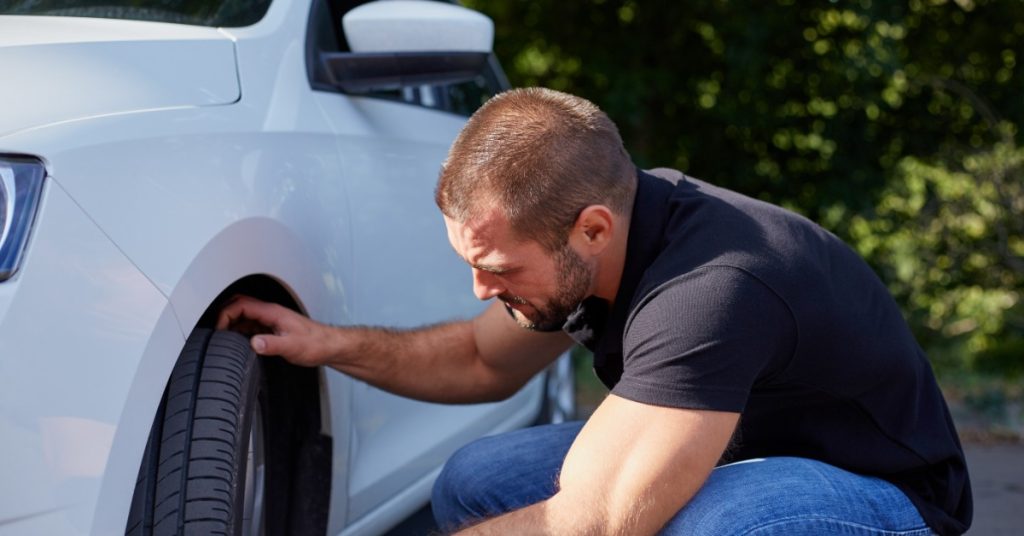
A tire can look perfectly normal from the outside while hiding evidence of an earlier puncture or repair. Previous tire repairs don’t automatically make a tire unusable. However, drivers should know where the damage occurred, how it was repaired, and whether the tire still seems suitable for continued driving.
A careful inspection can reveal clues before you buy a used tire or decide what to do with one already on a vehicle. Knowing how to tell if a tire was previously repaired also makes it easier to explain concerns to a tire professional and determine when the tire needs a closer inspection.
A properly handled puncture may let a tire remain in service, while questionable repair work can create concerns drivers may not spot at a glance. The location and extent of the original damage matter because different parts of a tire experience different amounts of movement and stress on the road.
The tire’s condition before the repair also matters. If someone drove a long distance with very low air pressure, the tire could have sustained additional damage beyond the original puncture.
Drivers should not assume that every visible repair means a tire needs immediate replacement. Instead, treat evidence of a previous repair as a reason to examine the tire’s overall condition more carefully.
One of the easiest signs to notice involves repair material visible between the tread blocks. A plug may look like a small piece of rubbery material filling the channel where a nail, screw, or other sharp object previously punctured the tire.
Check the complete tread surface rather than looking only through the center. Road debris and normal tread wear can make an older repair harder to identify, so adequate lighting can make a significant difference during the inspection.
Avoid pulling or probing suspected repair material to confirm its presence. Disturbing an existing repair could cause an air leak or worsen an existing problem.
Some of the clearest evidence of previous repair appears inside the tire rather than on the exterior. An internal patch generally looks like a piece of repair material bonded to the inner liner over the damaged area.
Seeing the inner liner requires removing the tire from the wheel, so drivers should leave this part of the inspection to a tire professional. The inspection can reveal more than just whether a patch is present.
A technician can examine the area around the repair and check for signs of damage that an exterior inspection may miss. That makes an internal inspection particularly valuable when a driver does not know the tire’s history.
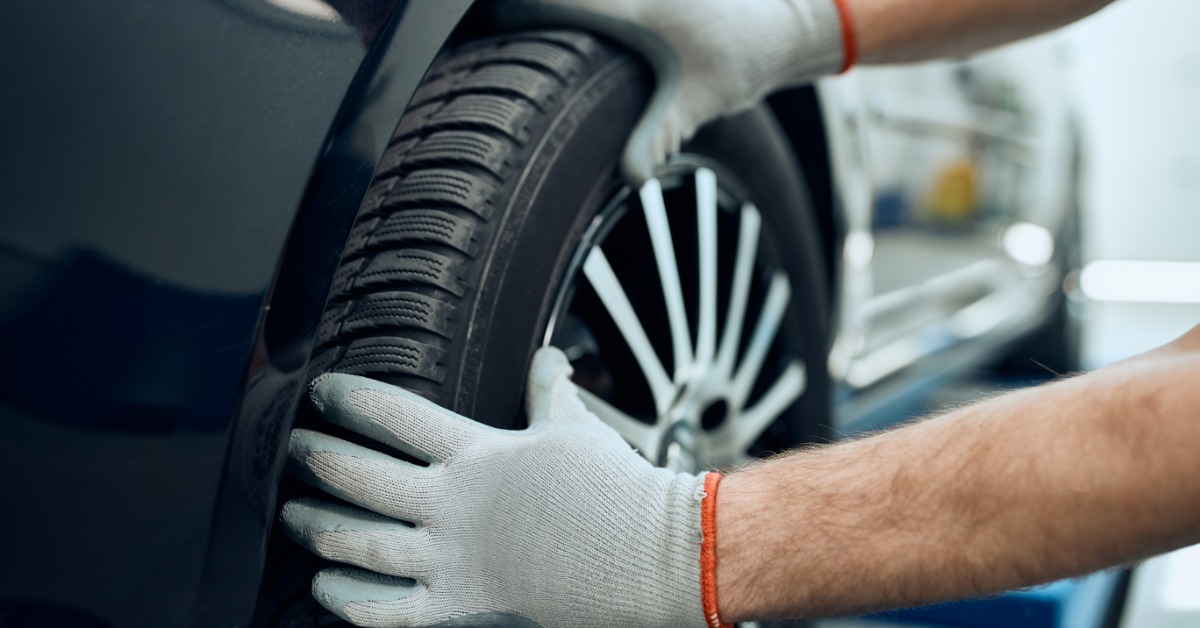
Some puncture repairs address both the puncture channel and the tire’s inner surface. From the outside, a driver might notice a small stem in the tread, while an interior inspection can reveal the corresponding repair material against the inner liner.
A tire professional can provide more context when the repair history remains unknown. This is especially true with a used tire, since the current owner may have no information about previous service.
Repair location deserves close attention because the tread and sidewall don’t experience road forces the same way. Evidence of previous puncture damage near the tread’s outer edges should prompt a closer professional inspection.
While checking an unfamiliar or used tire, watch for several signs around a suspected repair:
These warning signs do not always mean an old repair caused the problem. However, they provide good reasons to have the tire evaluated before relying on it for regular driving.
Tire technicians sometimes use chalk, paint markers, or grease pencils to identify a puncture while diagnosing a leak. Those markings may remain visible after service, especially when the tire has not traveled many miles since the repair.
A circle or mark near one section of tread can therefore clue you into previous work. Look closely around that area for a filled puncture channel, different-looking rubber, or other evidence that someone addressed a leak.
A tire that repeatedly loses pressure could have an issue around an older repair, although several other problems can cause the same symptom. A leaking valve, wheel problem, bead leak, temperature change, or completely new puncture can also affect tire pressure.
Check inflation according to the vehicle manufacturer’s recommendations, and watch for a tire that consistently loses pressure faster than the others. A recurring drop deserves proper diagnosis rather than repeated refilling without identifying the cause.
If a suspected repaired tire continues losing air, have a tire professional examine it. Drivers shopping for tires in Tucson can also ask RNR Tire Express about inspection or replacement when an unknown repair history raises concerns.
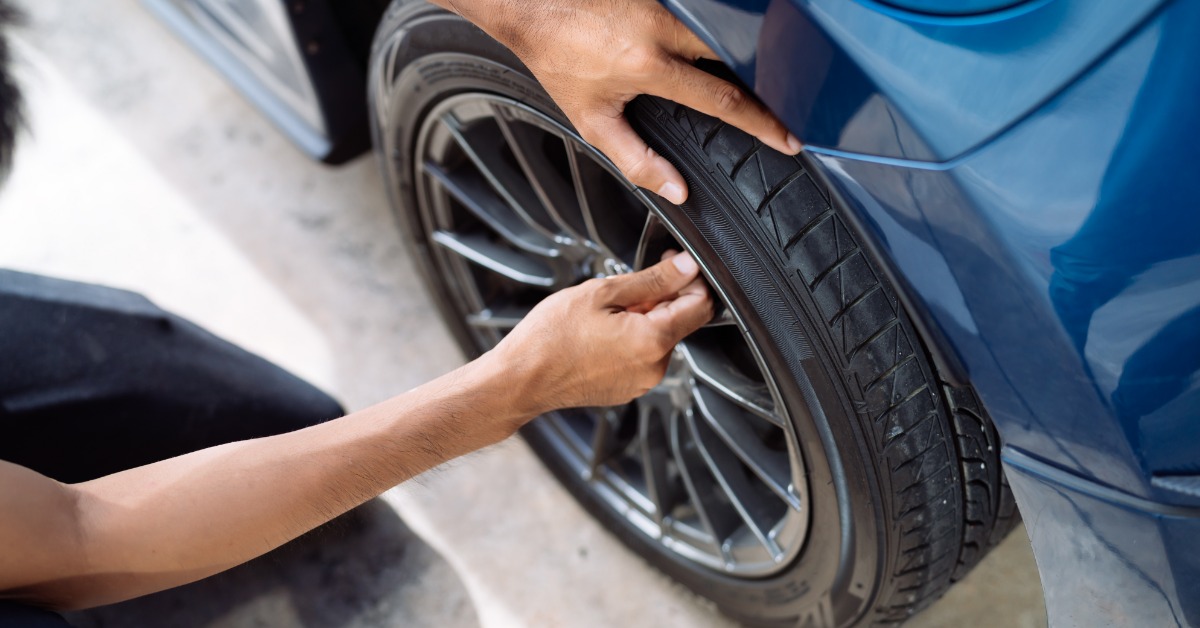
Previous repairs represent only one part of a tire’s history. Tread depth, cracking, unusual wear, physical damage, and the tire’s age can provide equally important information when deciding whether a tire deserves further inspection.
Look across the entire tread rather than concentrating exclusively on the repaired spot. Severe shoulder wear, cupping, flat spots, or large differences in tread depth can point toward other tire or vehicle issues that need attention.
When buying a used tire, ask whether it has ever suffered a puncture and whether the seller knows what type of repair it received. A known service history paired with a physical inspection provides much more useful information than appearance alone.
Drivers can spot some signs of previous repair at home, but a complete evaluation may require removing the tire from its wheel. This lets a tire professional identify repair materials and check areas that remain hidden during a basic exterior inspection.
Professional evaluation becomes particularly important when a tire repeatedly loses pressure, has visible sidewall damage, or shows evidence of a repair near the edge of the tread. Do not rely on assumptions when the tire’s condition remains uncertain.
RNR Tire Express provides tire and wheel services, including flat tire repair, tire installation, balancing, and alignments. A professional inspection can help drivers gather the information they need to choose the right next step.
Knowing how to tell if a tire was previously repaired requires more than finding a plug in the tread. When that history remains unclear, avoid deciding based solely on how the tire looks from the outside.
An inspection at RNR Tire Express can provide a closer look at questionable repairs and help determine whether the tire requires additional attention or replacement.
Checking carefully before putting more miles on an unfamiliar tire gives drivers valuable information about what they are actually driving on. That knowledge can make the next tire service or purchasing decision much easier. Visit RNR Tire Express today to find the best tires for your vehicle, or schedule a tire inspection to stay safe on the road.