Tires
|
Feb 24, 2026
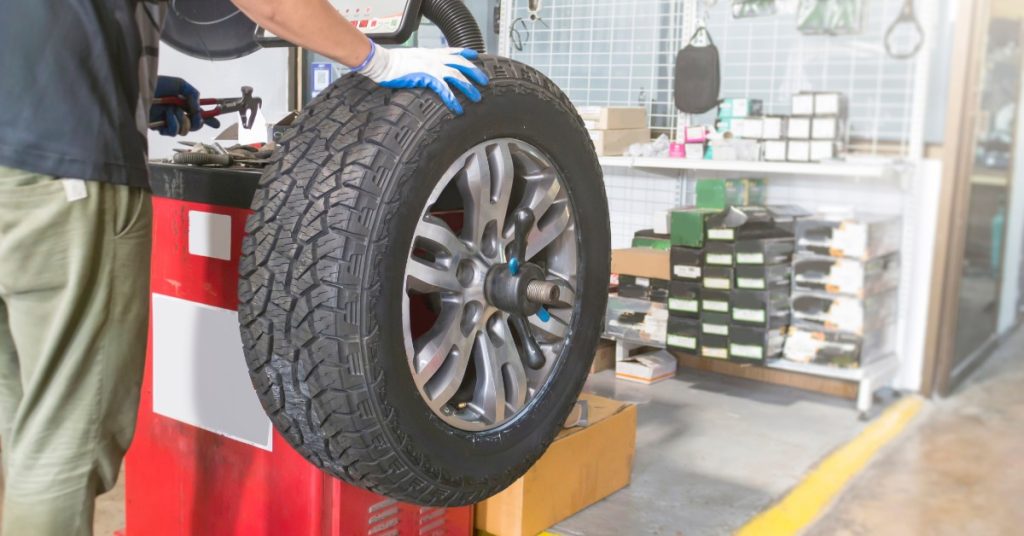
A smooth ride depends on more than good roads and properly inflated tires. Even a vehicle with new tires can develop vibrations that travel through the steering wheel or cabin. In some cases, conventional wheel balancing doesn’t identify the source of the problem. Road force tire balancing offers a more thorough way to examine how tires and wheels behave under pressure.
Understanding this service can help drivers recognize unusual vibrations and make informed maintenance decisions. Below, we’ll break down what to know about road force tire balancing, from how it differs from traditional tire balancing to when drivers should consider it.
Road force tire balancing measures how a tire and wheel assembly behaves under realistic road conditions. Unlike conventional balancing equipment, a road force balancer uses a roller to press against the tire as it rotates. This allows technicians to detect inconsistencies that may affect ride quality even after a wheel passes a standard balance test.
Every tire has minor variations in its shape and stiffness. A wheel may also have slight imperfections that influence how the tire contacts the road. Road force equipment measures the effects of these characteristics and helps technicians identify potential sources of vibration.
Road force variation describes changes in the force a tire produces as it rolls under load. A tire with uneven stiffness may create different forces against the road throughout each revolution. Drivers can feel these changes as vibrations, particularly at certain speeds.
This issue doesn’t necessarily mean a tire has a visible defect. A tire may appear perfectly round during a visual inspection yet behave differently once the vehicle’s weight presses against it. Special equipment helps reveal these variations.
An important thing to know about road force tire balancing is that it’s different from traditional tire balancing. In traditional wheel balancing, a technician places the assembly on a balancing machine, spins it, and determines where corrective weights belong. Proper weight placement reduces vibrations from mass imbalance.
Road force balancing adds another level of analysis. It measures variations under load rather than focusing exclusively on weight distribution. A tire and wheel assembly can have excellent weight balance yet produce noticeable vibrations because of irregular stiffness or shape.
Imagine a vehicle that develops a steering wheel vibration shortly after you install new tires. A technician checks the wheels, confirms their balance, and finds no obvious problem. The vibration remains because uneven weight distribution is not the issue.
A road force test may reveal that one tire produces excessive force variation as it rotates. With that information, a technician can determine if adjustments might reduce the problem.
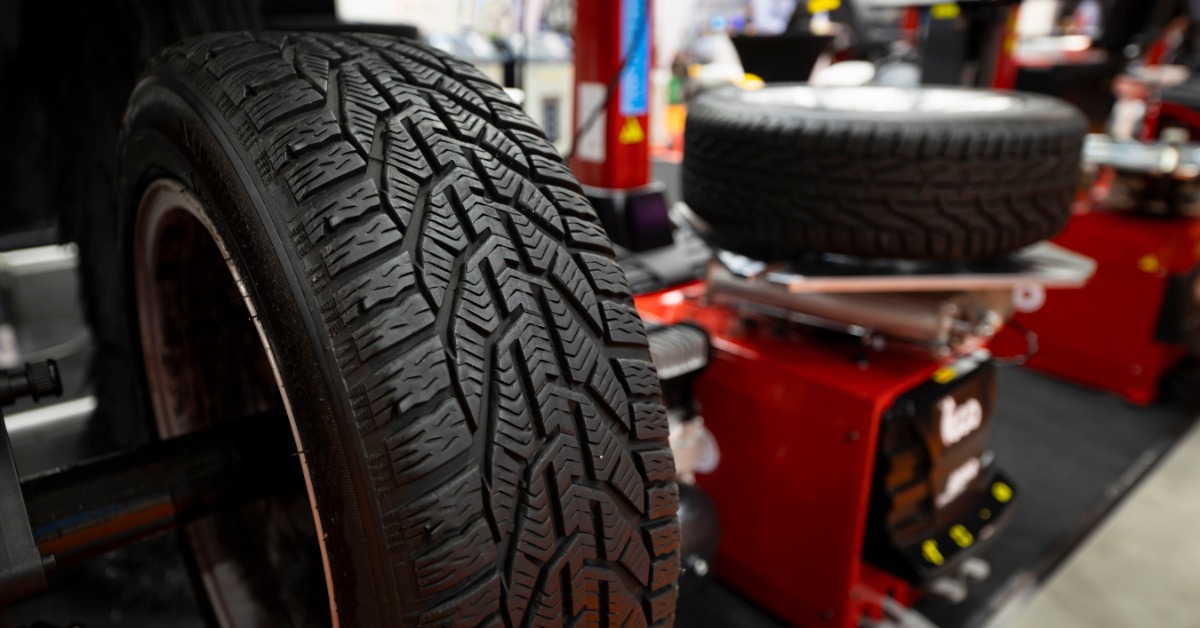
Road force balancing involves special equipment and several measurements. The process examines the complete tire and wheel assembly rather than treating the tire as an isolated component. Each step provides information that helps technicians evaluate ride quality.
First, the technician positions the tire and wheel assembly on a road force balancing machine. Proper centering matters because incorrect placement can distort measurement results. The equipment then rotates the assembly as a roller applies pressure against the tread.
Sensors measure variations in the forces throughout the rotation. Depending on the machine and test procedure, the equipment can also evaluate wheel runout, which describes deviations from a true circular shape.
Sometimes, technicians can reduce road force variation through match mounting. This involves repositioning the tire on the wheel to create a more favorable relationship between their individual irregularities. The process can reduce the variation without requiring immediate replacement.
The technician may need to break the tire bead, rotate the tire relative to the rim, and reinflate it before another test. If the variation remains excessive, further inspection or replacement may be necessary.
Certain ride quality problems can suggest a need for more comprehensive tire and wheel diagnostics. Road force balancing may help when standard balancing fails to resolve persistent vibrations. Common symptoms include:
These symptoms don’t automatically indicate excessive road force variation. Bent wheels, suspension wear, and other mechanical problems can produce similar sensations. A thorough inspection helps determine which diagnostic approach makes sense.
Several factors can contribute to excessive road force variation. Some originate during tire production, and others develop through tire damage or wheel irregularities.
Tires contain multiple layers of materials, and their construction can produce small differences in stiffness around the circumference. When the tire contacts the road, those differences influence how much force it applies. Excessive variation may create a noticeable disturbance during each revolution.
Physical damage can also affect tire uniformity. Impacts with potholes or road hazards may damage internal tire components, even when the exterior looks normal. A professional inspection can identify circumstances that warrant further evaluation.
A wheel that isn’t perfectly round can contribute to vibration. Even small deviations may influence how the tire rotates under load. Road force equipment can help technicians evaluate the interaction between wheel shape and tire characteristics.
Installation problems can create additional concerns. Improper tire bead seating, for example, may cause the tire to sit unevenly against the rim.
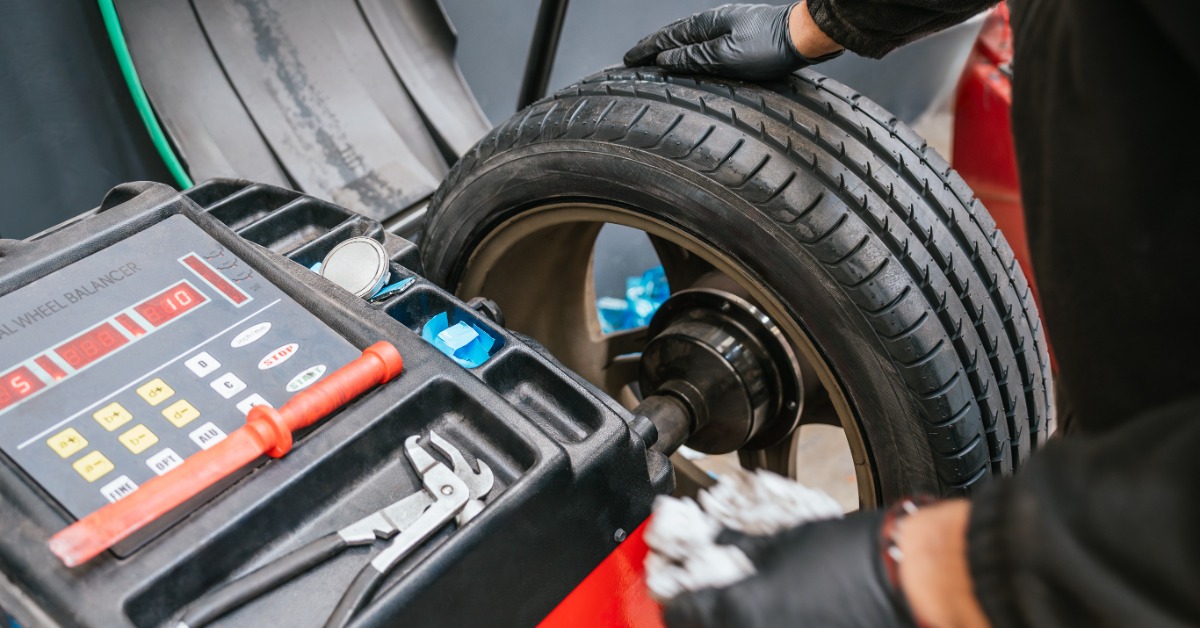
Not every vehicle requires road force balancing during routine tire maintenance. Conventional balancing remains suitable for many standard tire installations and common imbalance problems. Road force testing becomes particularly useful when ride complaints persist despite appropriate initial service.
Drivers may consider a more detailed assessment after installing aftermarket wheel packages or replacing tires that previously provided a smooth ride. The service can also help investigate vibrations that appear consistently within a certain speed range.
Road force balancing has limits because tire and wheel assemblies aren’t responsible for every vehicle vibration. Worn suspension components, damaged wheel bearings, and other mechanical faults can affect ride quality. Brake-related problems can also create vibrations under certain conditions.
The benefit of road force testing lies in identifying tire and wheel characteristics that standard balancing cannot measure. It gives technicians additional information rather than replacing a complete vehicle inspection.
Road force tire balancing provides a deeper look at how tires and wheels behave under pressure. By measuring force variation and identifying potential irregularities, the process can help technicians address persistent vibrations that conventional balancing may not resolve.
If your vehicle develops unusual vibrations, don’t ignore the symptoms or assume new tires will automatically solve them. Visit RNR Tire Express, your local tire shop in Vicksburg, MS, to discuss tire and wheel concerns and available inspection services. A professional evaluation can help you identify the next steps toward a more comfortable drive.