Misc.
|
Jan 17, 2020
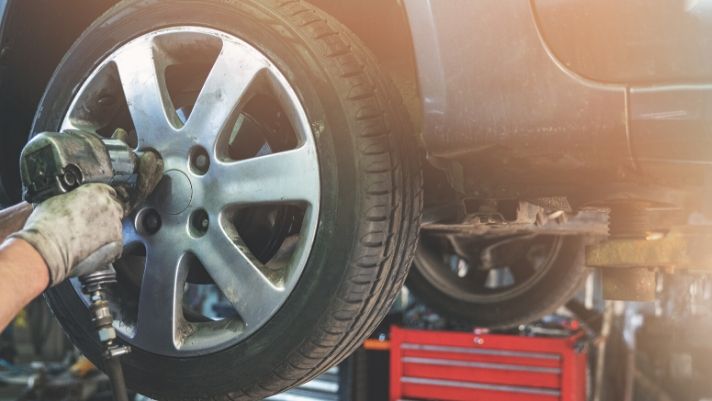
Tires influence how your vehicle accelerates, stops, steers, and handles changing road conditions. Yet many drivers wait until a warning light appears or visible damage develops before giving their tires much attention. That approach can shorten tire life, reduce fuel efficiency, and increase the chance of a roadside problem.
Regular tire care does not require advanced mechanical knowledge. By avoiding a few common mistakes, Mississippi drivers can protect their investment and feel more confident behind the wheel. Below, we outline the most common tire maintenance mistakes you’ll want to avoid with your car.
Tire pressure changes as temperatures rise and fall, which makes regular checks especially important during seasonal weather shifts. Underinflated tires create excess heat and rolling resistance, while overinflated tires reduce the amount of tread contacting the road.
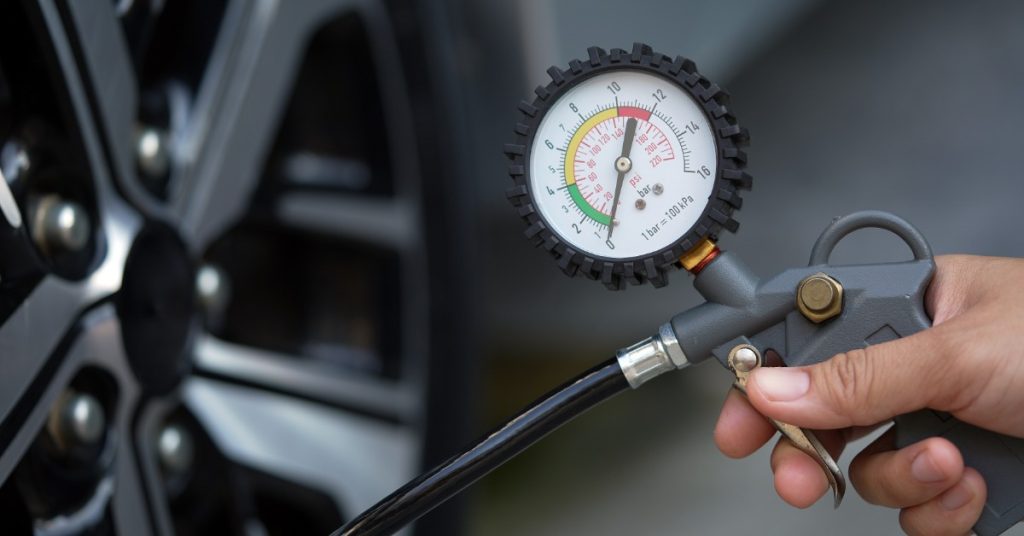
Check your tire pressure at least once a month and before long drives. Measure the pressure when the tires are cold, and follow the vehicle manufacturer’s recommendation listed in the owner’s manual or on the driver-side door placard. Do not rely on the maximum pressure printed on the tire’s sidewall.
A tire pressure monitoring system provides a helpful warning, but it should not replace manual pressure checks. The dashboard light may not activate until one or more tires fall well below the recommended pressure.
A tire can lose enough air to affect handling, fuel use, and tread wear before the system alerts you. Keep a dependable tire pressure gauge in your vehicle, and check all four tires according to a regular schedule. Remember to inspect the spare tire as well, since it may lose pressure while sitting idle.
One of the most common tire maintenance mistakes to avoid is forgetting or skipping a tire rotation. Your tires do not wear at the same rate. Front tires may experience more wear from steering and braking, while drivetrain layout, vehicle weight, and driving habits can create additional differences between positions.
Routine rotations help distribute wear more evenly across the full set. Follow the schedule in your owner’s manual or ask a tire professional to recommend an interval based on your vehicle and tire type. Skipping rotations can leave two tires worn out long before the other two, forcing you to replace the set sooner than your intention.
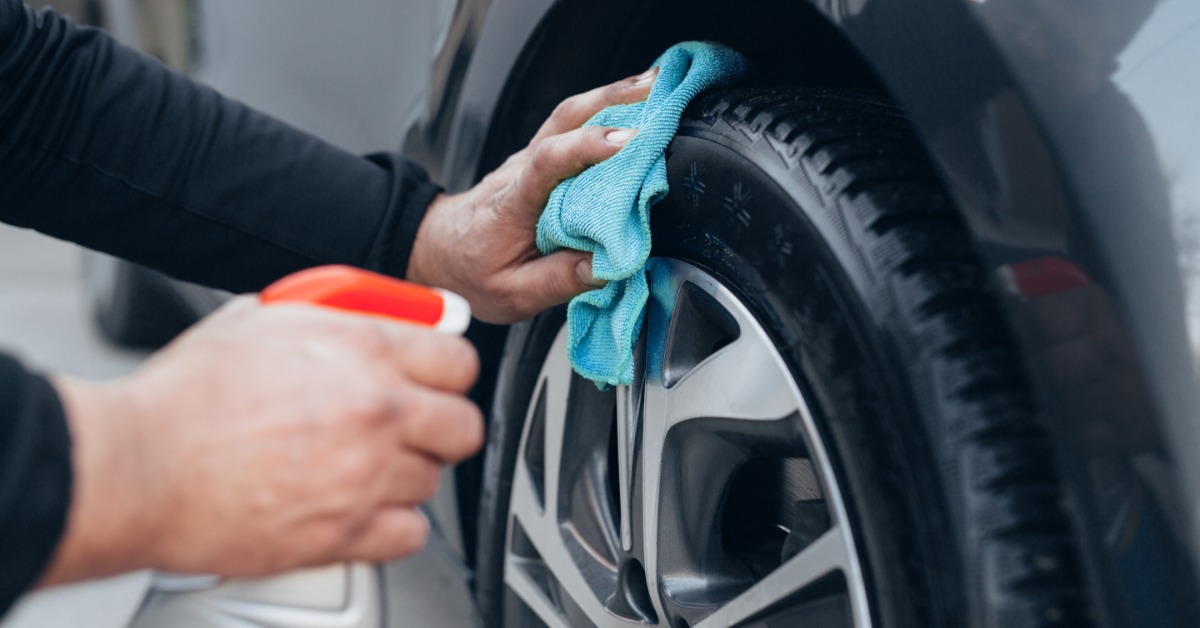
Potholes, curbs, road debris, and normal suspension wear can affect wheel alignment. When the wheels no longer point in the correct direction, the tires may scrub against the pavement instead of rolling smoothly.
Signs of an alignment problem include uneven tread wear, a steering wheel that sits off-center, or a vehicle that pulls to one side. Continuing to drive without addressing the issue can damage otherwise usable tires. An alignment inspection can identify the source of the problem and help restore proper handling.
A balanced wheel and tire assembly distributes weight evenly as it rotates. When that balance changes, drivers may notice vibration through the steering wheel, seat, or floorboard at certain speeds.
Ignoring vibration places additional strain on the tires, suspension, and steering components. It can also create irregular tread wear that reduces ride quality and shortens tire life. Schedule a balance check when you install new tires, rotate them, or notice new vibrations while driving.
A tire may look acceptable from a distance while hiding worn areas, embedded objects, or damage along the inner tread. A quick visual inspection can reveal issues before they interfere with traction or lead to air loss.
Look across the full width of each tire for shallow tread, cracks, bulges, cuts, exposed cords, and unusual wear patterns. Check several areas around the tire rather than inspecting only the section that faces outward. If you find a nail or screw, leave it in place until a professional evaluates the tire, since removing it may cause the air to escape quickly.
Tread channels move water away from the tire’s contact area and help the vehicle maintain traction. As tread wears down, the tire becomes less capable of handling wet pavement, standing water, and emergency maneuvers.
Do not wait until the tread looks completely smooth before replacing a tire. Use built-in tread wear indicators, a tread depth gauge, or guidance from a tire technician to determine whether the tire remains suitable for service. Mississippi rain can create slick road conditions quickly, so adequate tread depth deserves consistent attention.
Tread depth does not tell the whole story. Rubber compounds change with time, heat exposure, sunlight, storage conditions, and repeated driving cycles.
A vehicle that travels very few miles may still have aging tires with cracks or weakened materials. Check the tire identification code on the sidewall to determine the age of the tire, and have a professional inspect older tires. Age-related concerns also apply to spare tires, collector vehicles, and vehicles that remain parked for long periods.
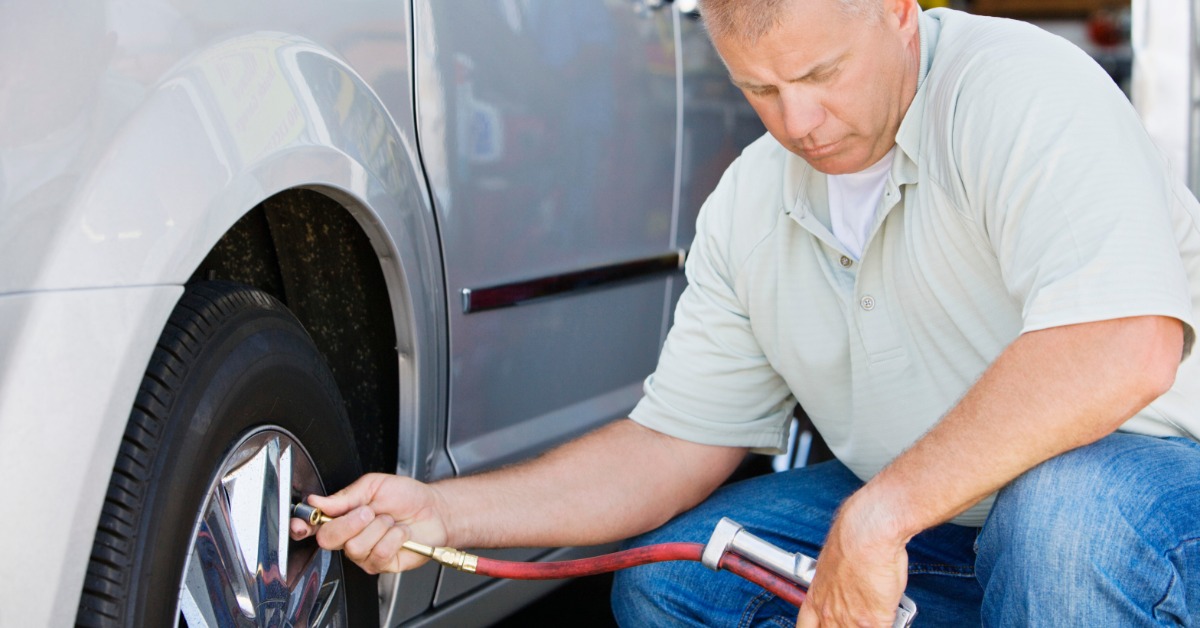
Every vehicle and tire has a load limit. Carrying too much weight creates additional heat, increases stress on the tire structure, and changes how the vehicle responds during braking and cornering.
Review the vehicle’s load information before hauling heavy cargo, moving equipment, or leaving for a road trip with several passengers. Do not assume that a larger vehicle can safely handle any load that fits inside it. Proper tire pressure becomes even more important when the vehicle carries extra weight.
Tires come in different sizes, load ratings, speed ratings, tread designs, and performance categories. Installing tires that do not match the vehicle’s requirements can affect handling, clearance, braking, and the accuracy of electronic safety systems.
Follow the manufacturer’s specifications when choosing replacements. Avoid mixing significantly different tire types, sizes, or tread patterns unless the vehicle manufacturer permits that setup. A tire professional can help you compare options that fit your vehicle, driving habits, and budget without sacrificing essential performance requirements.
Tire maintenance works best when it becomes part of your normal vehicle care routine. Set a monthly reminder to check pressure, inspect the tread, and look for visible damage. Pay attention to vibration, pulling, unusual noise, or changes in steering rather than waiting for the symptoms to become severe.
Keep records of rotations, alignments, repairs, and tire purchases. These details make it easier to track wear, follow service intervals, and identify recurring problems before they become more expensive.
Reliable tires support every commute, errand, and road trip, so small maintenance decisions can make a meaningful difference. When you need professional guidance from a tire shop in Meridian, MS, visit RNR Tire Express for help selecting tires, checking their condition, and keeping your vehicle ready for Mississippi roads. Contact your local team today to ask about available products, services, and flexible payment options.
By signing up you agree to our Privacy Policy.