Misc.
|
Jan 17, 2020

Tire prices often surprise drivers because many details hide behind a simple label. Two tires may have the same size and still fall into completely different price ranges. Engineers design tires for specific goals, such as wet braking, long tread life, quiet comfort, or heavy hauling, and each goal dictates materials and construction.
Smart shoppers treat tire pricing like a spec sheet problem, not a mystery. The factors below explain what drives tire prices up or down and how to decide what to budget for.
Tire size influences price immediately because it determines how much material the tire requires. Wider tires require more rubber and stronger reinforcement to control flex, especially during cornering and braking.
Low-profile tires usually cost more because they require tighter tolerances and stronger sidewalls, which increase production complexity. Larger wheel diameters also shrink the number of budget options in many categories, since manufacturers aim those sizes at performance or luxury segments.
Fitment also shapes the price through availability. A common size for popular sedans is often cheaper because factories produce it in large quantities. An uncommon size for a niche vehicle often costs more because production volume remains low and distribution becomes more difficult.
Shoppers who feel tempted to change sizes should consider the cost impact before switching, since even small changes can push the purchase into a more expensive tier.
The tread compound plays a major role in tire pricing because compound chemistry controls traction and wear. Manufacturers use different blends of rubber, silica, and oils to hit specific performance targets.
High-silica compounds often deliver stronger wet traction and improved rolling efficiency, but they cost more than basic mixes. Compounds engineered for consistent grip across temperature swings also raise the price because they require more complex formulation and stricter quality control.
Shoppers should connect compound benefits to real driving conditions. Drivers who face frequent rain benefit from compounds that maintain traction on slick pavement. Drivers who rack up high mileage benefit from compounds designed for slower wear and stable performance over time. A tire that balances both goals typically commands a higher price because it relies on better materials and more precise engineering.
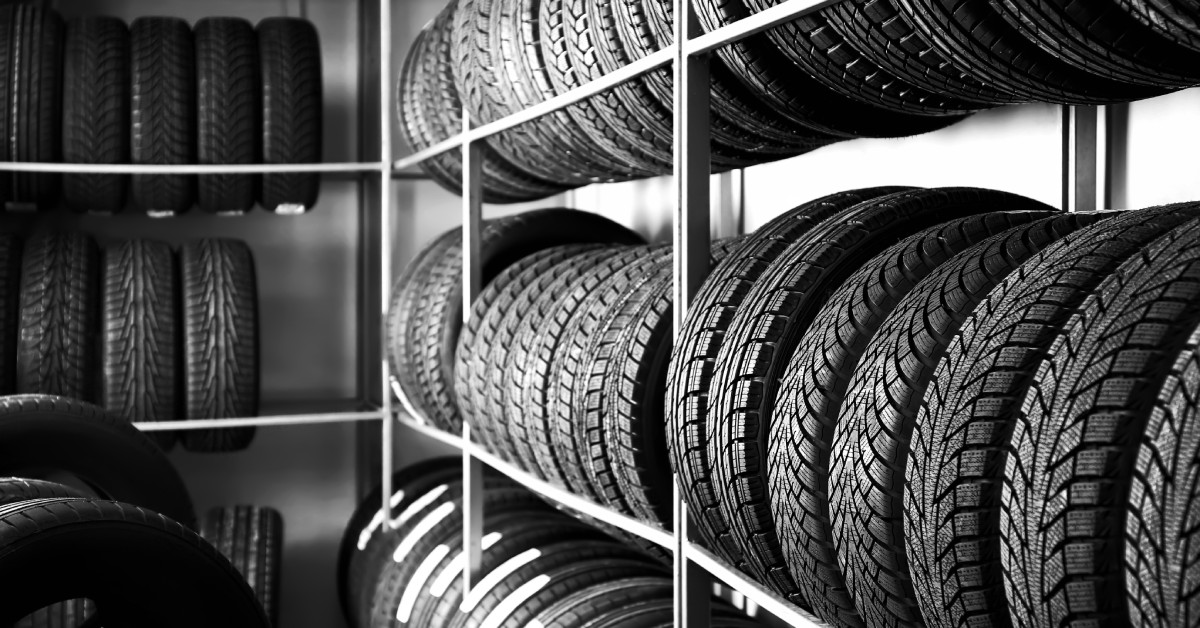
Tread design affects hydroplaning resistance, road noise, and handling, and design complexity often increases price. Engineers shape grooves and sipes to move water away from the contact patch and maintain grip during wet braking.
Designers also tune tread blocks to reduce pattern noise at highway speed, and that work takes extensive testing and refinement. Tires with variable pitch patterns, staggered block shapes, and advanced siping often cost more because they require detailed molds and specialized development.
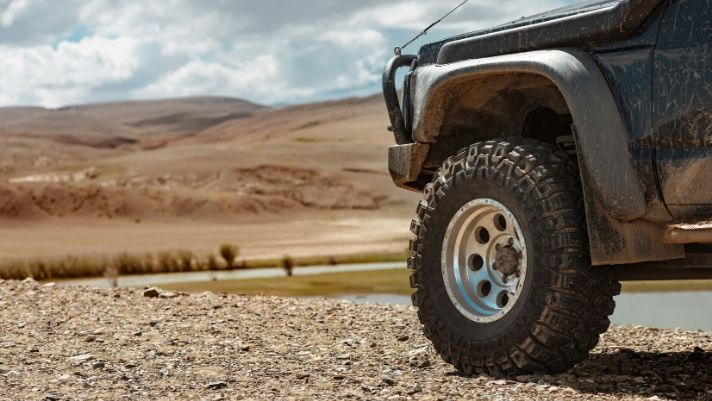
Performance goals also influence tread design pricing. An all-terrain pattern uses larger voids and tougher tread blocks to bite into dirt and gravel, and that pattern often requires a stronger casing to survive impacts.
A touring tread focuses on smoothness and quietness, and it may use specialized sequencing to reduce harmonic noise. Both approaches add cost, but the buyer receives a clearer benefit when the pattern matches the driving environment.
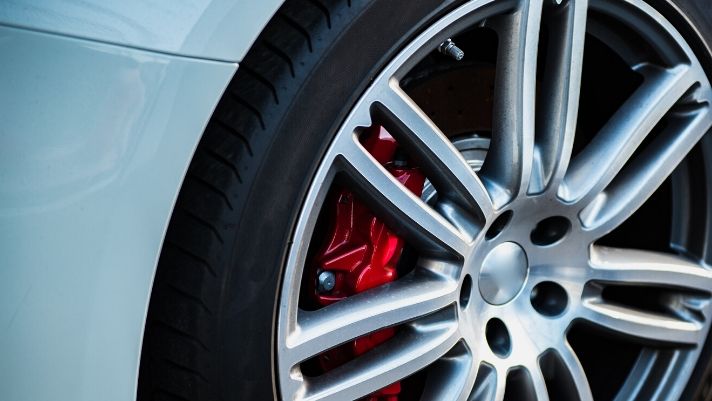
Speed rating reflects how a tire performs under higher speeds and higher heat. Higher ratings typically require stronger materials, improved belt packages, and compounds that resist heat breakdown.
These upgrades cost more because they require precise manufacturing and more rigorous quality checks. Even drivers who rarely exceed the speed limit can benefit from the stability and steering response that often come with a higher-rated tire.
Shoppers should still match the rating to the vehicle’s needs and the driver’s habits. A performance sedan often benefits from a higher speed rating because the chassis and suspension invite sharper handling. A commuter vehicle focused on comfort may not need the extra performance margin, and the shopper can redirect budget toward better wet traction or tread life.
Tire category plays a major role in pricing because each category targets different conditions. All-season tires often deliver the broadest value because they aim for balanced traction and reasonable tread life in moderate climates.
Summer tires typically cost more in performance sizes because they focus on dry grip and responsive handling, and they use compounds that favor warm temperatures. Winter tires also command higher prices because they use specialized rubber that isn’t vulnerable to the cold temperatures. These tires also have tread designs that grip snow and ice better than other options.
All-terrain and mud-terrain tires often land at higher price points as well. These designs use deeper tread and stronger sidewalls to handle rocks, ruts, and sharp debris. That durability and depth increase material use and weight, which pushes the price upward.
You should choose the category that best matches your actual weather patterns and driving routes, since choosing the wrong category wastes money and reduces performance.
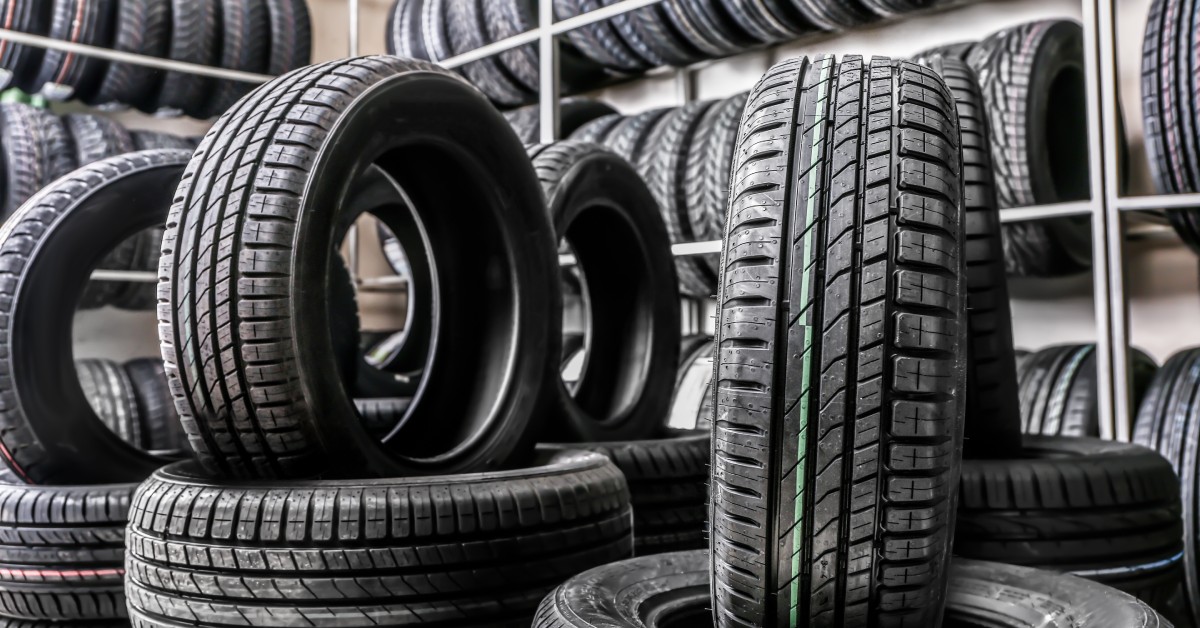
Your budget helps determine what you pay for tires, but you can also reduce the total cost over the tire’s lifespan with proper maintenance. Proper inflation keeps tread wear even and protects fuel economy, which prevents early replacement.
Regular rotations help all four tires wear evenly, especially on front-wheel-drive vehicles, which place more stress on the front tires during acceleration and steering. Alignment checks also prevent rapid shoulder wear, which can destroy an expensive set of tires long before the warranty mileage.
Now that you understand the different factors that impact tire prices, you can find the best tires for your car. A smart comparison starts with the vehicle requirements and ends with a real-world match to driving conditions. First, confirm the tire size, load index, and speed rating from the door placard and the owner’s manual.
Next, you should decide which performance priorities matter most, such as wet traction, quiet ride, or long tread life. Then, drivers can compare a few tires that share the same priorities rather than comparing unrelated categories.
Drivers who want a clear recommendation and an accurate total often benefit from an in-person evaluation. If you visit RNR Tire Express, our expert staff can help you find the best tires within your budget. Our tire shop in Clovis offers a variety of options that can work well with your vehicle. If you still have problems with pricing vs output, our payment options will get you the tires you need without breaking the bank.
By signing up you agree to our Privacy Policy.