Misc.
|
Jan 17, 2020

Electric vehicles have changed what drivers expect from everyday transportation. Quick acceleration, quiet operation, advanced technology, and efficient electric powertrains make EVs appealing, but their design also changes what happens at the road-tire interface. Tires must handle demands that differ from those of many comparable gasoline-powered vehicles.
It’s important to understand why EVs require higher load-rated tires. One of the biggest reasons involves weight. Large battery packs add substantial mass, which means each tire must safely support significant loads during normal driving. Higher load-rated tires help EVs manage that weight while maintaining stability and dependable performance.
An EV battery pack contains hundreds or even thousands of individual cells, along with cooling equipment, protective structures, wiring, and electronic controls. Manufacturers often position this heavy system beneath the passenger compartment. That placement can lower the vehicle’s center of gravity, but it also adds considerable weight.
A heavier vehicle places greater force on its tires while sitting still and while moving. Acceleration and braking can increase those forces further. Tire manufacturers account for these demands by designing tires that can safely carry specific maximum loads at prescribed inflation pressures.
Drivers should never assume that two tires of the same physical size can support the same weight. Their load indexes and construction can differ considerably. An EV needs tires that meet or exceed the manufacturer’s specifications.
A tire’s load rating indicates how much weight it can safely support under specified operating conditions. Drivers can typically find a load index within the tire’s service description. That number corresponds to a standardized maximum carrying capacity, not pounds directly.
For example, two tires may share the same width and wheel diameter while carrying different load indexes. Choosing the lower-rated option simply because it fits the wheel can create problems. EV owners should consider the full tire specification, not just size.
Manufacturers calculate vehicle requirements based on weight distribution and expected driving forces. Following those specifications helps each tire carry its intended portion of the vehicle’s weight. It also gives the tire enough capacity to handle changing forces during real-world driving.
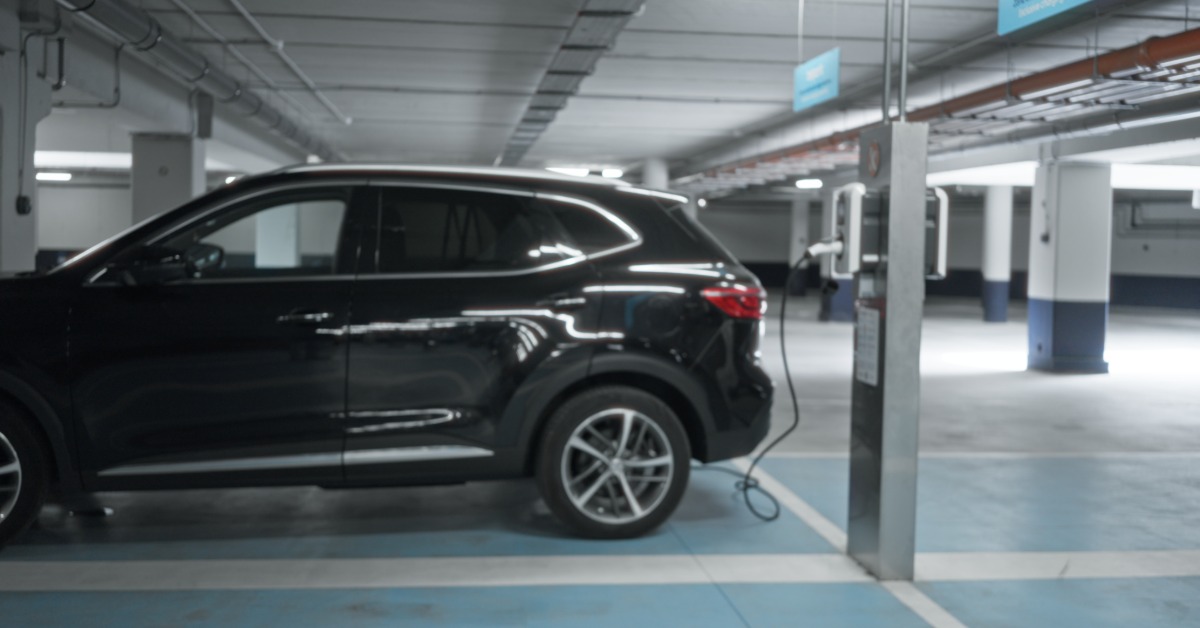
Higher load-rated tires use construction features that help them maintain their shape under substantial weight. Depending on the tire, manufacturers may strengthen internal components, adjust casing construction, or use other engineering approaches. These changes help the tire manage heavier loads without excessive deformation.
Excessive flex generates heat inside a tire. Heat can accelerate wear and place additional stress on tire components, especially during extended highway driving. Properly rated tires help control deformation and keep the tire operating within its intended performance range.
Drivers shopping for replacement tires should check more than the sidewall dimensions. At RNR Tire Express, our knowledgeable tire shop in Clovis can help confirm load requirements and identify options that match the vehicle manufacturer’s specifications. That extra attention matters greatly with heavier electric vehicles.
Weight does not tell the whole EV tire story. Electric motors can deliver torque quickly, giving many EVs strong acceleration from a stop. That immediate response feels exciting behind the wheel, but tires must transfer those forces to the pavement.
Frequent hard acceleration can speed up tread wear. The combination of substantial vehicle weight and immediate torque makes proper tire construction particularly important. Drivers can help extend tread life by accelerating smoothly when traffic conditions allow.
Different EVs produce very different levels of power, so no single tire works equally well for every electric model. A compact commuter and a high-performance electric SUV may have dramatically different tire requirements. Drivers should match replacements to their specific vehicle instead of shopping by the “EV tire” label alone.
Correct inflation pressure matters for every vehicle, but EV weight makes careful pressure maintenance especially important. An underinflated tire flexes more as it rolls, generating extra heat and increasing rolling resistance. It may also cause uneven tread wear.
Overinflation creates its own concerns. Too much pressure can change the tire’s contact with the road and affect ride quality or handling. Drivers should use the vehicle manufacturer’s recommended cold tire pressure rather than relying on the maximum pressure printed on the tire sidewall.
A few simple habits can make tire pressure easier to manage:
These steps support proper load handling while helping tires perform as their engineers intended. Regular checks also allow drivers to notice tread damage, punctures, or unusual wear before those issues become more serious.
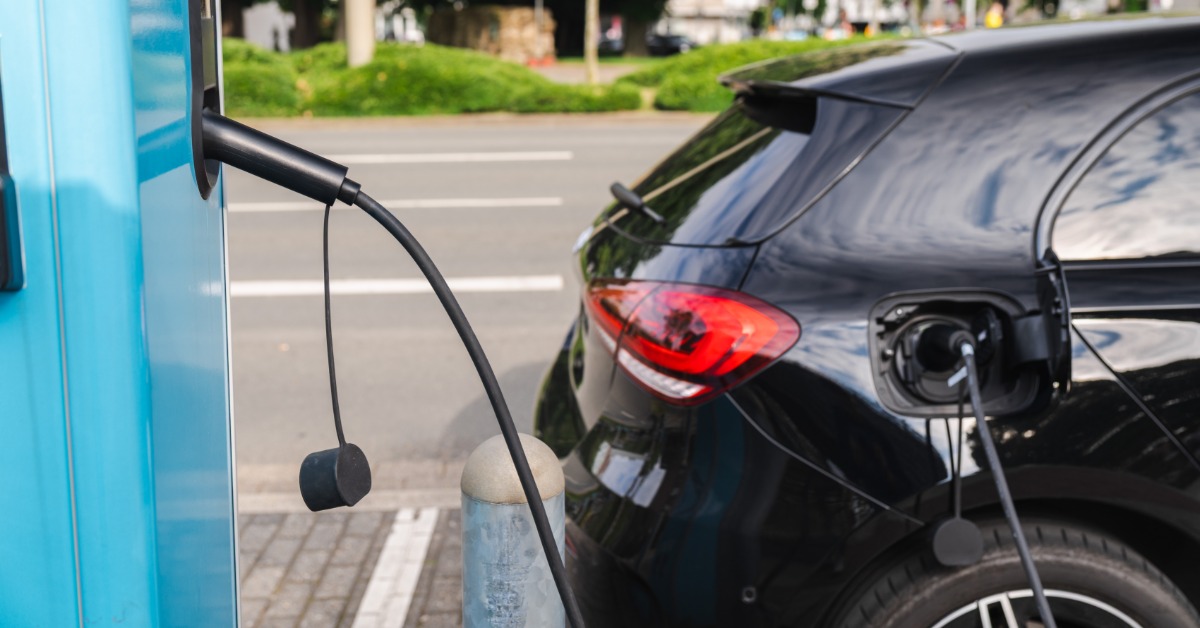
Tires influence how quickly and predictably a vehicle responds to steering input. When tires carry substantial weight, their sidewalls and internal structures must control movement through corners. A tire that cannot properly support the vehicle may feel less precise under demanding conditions.
EV manufacturers tune suspension and steering systems around particular tire characteristics. Installing replacements with inadequate load capacity can disrupt that carefully engineered relationship. Correctly specified tires help preserve the handling behavior that drivers expect from their vehicles.
This matters even more when an EV carries passengers or other cargo. Added weight increases the demands placed on the tires. Selecting the right load rating provides a solid foundation for both everyday commuting and fully loaded travel.
EV owners eventually face the same basic reality as every other driver: tires wear out. However, replacing them requires attention to the vehicle’s exact specifications. Choosing a tire based only on price, brand familiarity, or matching dimensions can overlook crucial load requirements.
Check the owner’s manual and existing specifications before purchasing replacements. Some EVs use reinforced or higher-load-capacity tire designs to support their weight. Others may require tires with characteristics that complement the vehicle’s power delivery, efficiency goals, and suspension tuning.
Professional tire technicians at RNR Express can also inspect current wear patterns before recommending replacements. Uneven wear may point toward various mechanical issues, including suspension concerns. Correcting those problems can help protect the investment in a new set of tires.
Electric vehicles put different demands on the road, and their tires must handle them every mile. The added weight of large battery packs is a major reason EVs need higher load-rated tires, while instant torque and strong braking forces place additional stress on the tire structure. Choosing tires with the correct load capacity helps support stable handling, dependable performance, and consistent tread contact.
RNR Tire Express can help EV drivers find tires that meet their vehicle manufacturer’s specifications and suit their everyday driving needs. When your EV needs new tires, visit RNR Tire Express for professional guidance and quality tire options built to handle the demands of modern electric vehicles. Stop by your local RNR Tire Express today to find the right tires for your EV.
By signing up you agree to our Privacy Policy.