Misc.
|
Jan 17, 2020
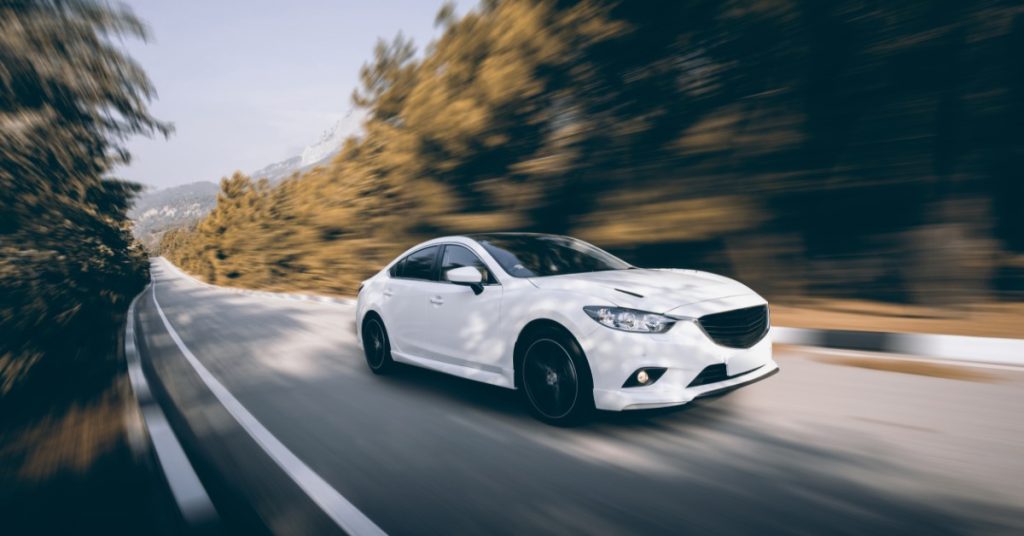
Drivers tend to think about mileage when they estimate how long a set of tires should last. Mileage matters, but the way those miles accumulate also plays a major role. Driving at higher speeds can expose tires to greater heat, stronger forces, and faster tread wear, especially when high-speed travel becomes a regular habit.
That doesn’t mean highway driving automatically ruins a good set of tires. Tire condition, inflation pressure, vehicle load, alignment, and driving habits all work together. Still, driving speed impacts tire longevity in ways that aren’t always obvious from behind the wheel.
A tire constantly flexes as it rolls. Each section of the tire compresses as it meets the road, then returns toward its original shape as it rotates away from the pavement.
As vehicle speed rises, this cycle happens more times within a shorter period. The tire also has less time to release the heat that builds as rubber flexes. The result can be a higher operating temperature during sustained high-speed travel.
Tires can handle heat within their rated limits, but higher temperatures can contribute to wear over time. A driver who spends hours at elevated highway speeds places different demands on a tire than someone who travels the same mileage at moderate speeds around town.
Faster travel affects more than temperature. A tire must respond to greater forces when a vehicle accelerates, slows down, enters a curve, or hits a rough section of pavement at higher speed.
That extra stress can become more noticeable when a tire already has low pressure, uneven tread, or internal damage.
Driving speed impacts tire longevity because heat affects tire rubber. As tire temperature rises, the tread can wear at a faster rate, especially if other conditions already place extra stress on the tire.
This matters in Mississippi, where drivers may deal with hot pavement for much of the year. A long summer drive at high speed can place more thermal stress on a tire than a cooler, lower-speed trip across the same distance.
Drivers shopping for tires in Gulfport should consider how they use their vehicles rather than focusing on price or tread appearance alone. A tire that suits regular highway travel may have different performance characteristics than one chosen primarily for short urban trips.
Vehicle speed itself matters, but the way a driver reaches that speed also affects tread life. Hard acceleration forces the drive tires to transfer a large amount of power to the road in a short period.
That friction can remove tread more quickly, particularly in powerful cars, trucks, and SUVs. Drivers may notice faster wear on the tires that receive engine power if quick starts are part of their normal routine.
Smooth acceleration reduces abrupt stress at the contact patch, the area where the tire meets the pavement. It also gives the tire a more controlled transition from a stop to cruising speed.
Speed can also influence tire wear when it’s time to slow down. A vehicle that travels faster needs more distance and more braking force to reduce speed.
Frequent hard stops can put substantial friction through the tread. In some cases, aggressive braking may contribute to uneven wear or flat spots, particularly if a wheel locks on a vehicle without effective anti-lock braking intervention.
Tires manage forward motion and create the grip that allows a vehicle to change direction.
During a turn, forces push across the tread as the tire tries to maintain traction. Entering corners at higher speeds increases those forces. The outer edges of the front tires may experience extra wear when aggressive cornering becomes a regular habit.
Proper alignment can help the tread maintain better contact with the road, but alignment can’t cancel out every effect of driving style. A correctly aligned vehicle can still wear tires quickly if the driver repeatedly takes curves at excessive speed.
Hitting a pothole at 25 mph and the same pothole at 70 mph can create very different impacts. At higher speeds, the tire has less time to deform around an obstacle before the wheel reaches it.
That impact can damage the tread, sidewall, or internal tire structure. It may also bend a wheel or disturb wheel alignment. Some damage becomes visible right away, but other problems may appear later as vibration, pressure loss, or unusual tread wear.
Drivers can’t avoid every pothole or piece of road debris. Moderate speed and adequate following distance can provide more time to react before a hazard reaches the tires.
Tire pressure affects how a tire carries the vehicle’s weight and maintains its shape. Low pressure allows extra sidewall flex, while excessive pressure can change the tire’s contact with the road.
Drivers should use the vehicle manufacturer’s recommended cold tire pressure rather than the maximum pressure on the tire sidewall. The recommended specification commonly appears on a label inside the driver’s door area.
Pressure also changes as tire temperature changes. Checking tires when they’re cold provides a more consistent reference point.

Passenger vehicle tires carry speed ratings that indicate their capability under certain conditions. The rating is not a recommendation for cruising speed, nor does it mean a tire can safely operate indefinitely at that speed under any circumstance.
Vehicle load, tire pressure, damage, tread condition, road surface, and weather can all influence tire performance. A tire also must match the specifications recommended for the vehicle.
Replacing a tire with one that has an inappropriate speed rating or load capability can affect how the vehicle performs.
Drivers don’t have to crawl down every highway to protect their tires. Consistent habits can reduce unnecessary stress without turning every trip into a slow commute.
Useful practices include:
These habits support more even tread wear and can also make the vehicle feel more predictable on the road.
Driving speed is only one factor in tire longevity, but it also affects heat, friction, braking forces, cornering stress, and the severity of road impacts. Drivers who regularly push their vehicles harder may see tread disappear sooner than drivers who use smoother acceleration, controlled braking, and reasonable highway speeds.
If your tires show uneven wear, low tread depth, visible damage, or other signs that they may need attention, visit RNR Tire Express. Our team can help you explore tires, wheels, and available payment options so you can find a setup that fits your vehicle and your needs.
By signing up you agree to our Privacy Policy.