Misc.
|
Jan 17, 2020
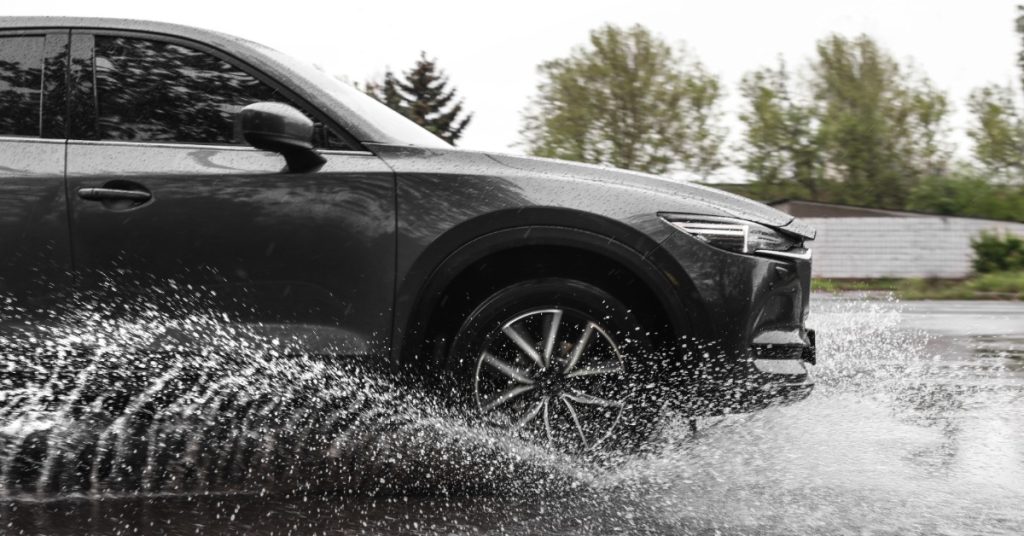
Rain can quickly change how your vehicle responds to the road. A familiar highway curve may demand more caution, and routine stops can require additional distance. Tires influence how confidently your vehicle handles these conditions, particularly when water collects on the pavement.
Understanding how tire design impacts wet road traction helps drivers recognize features that support control during rainy weather. From tread grooves to rubber compounds, each design element affects how a tire interacts with wet pavement.
A tire must sufficiently grip the pavement to provide traction. Rain creates a challenge because water can separate the rubber from the road, especially at higher speeds. Manufacturers develop tread patterns that move water away from the contact area.
The contact patch is the portion of the tire that touches the pavement. Its shape and pressure distribution affect how effectively the vehicle transfers braking and steering forces. Well-designed tread helps preserve that contact by managing water underneath the tire.
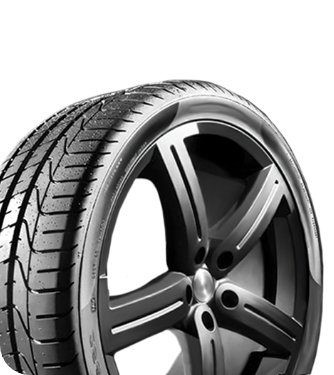
The channels across a tire’s surface serve a practical purpose. Grooves provide pathways for water to escape as the tire moves over wet pavement. Their size, placement, and direction influence how efficiently water moves away.
Circumferential grooves run around the tire, and lateral grooves extend across the tread. Together, they create escape routes for water beneath the tire. Their effectiveness depends on the complete tread design, not just the number of grooves.
Tread blocks are the raised rubber sections between grooves. Their arrangement affects how the tire responds to acceleration, braking, and cornering. Engineers adjust their size and stiffness to balance grip with stability.
Smaller blocks can provide additional edges that interact with pavement. Larger blocks may offer greater structural stability during turns. The right arrangement depends on the tire’s intended use.
Manufacturers use distinct tread patterns to address different performance priorities. Drivers who need tires in Ocean Springs can use these differences to evaluate replacement options.
Symmetrical tires use a consistent pattern across the tread. This design generally supports predictable everyday performance and may allow flexible rotation arrangements. Many passenger vehicles use these tires for a balance of comfort and durability.
Wet-road performance still depends on groove depth and rubber composition. Two symmetrical tires can behave differently under the same conditions. Appearance alone won’t reveal which model offers stronger traction.
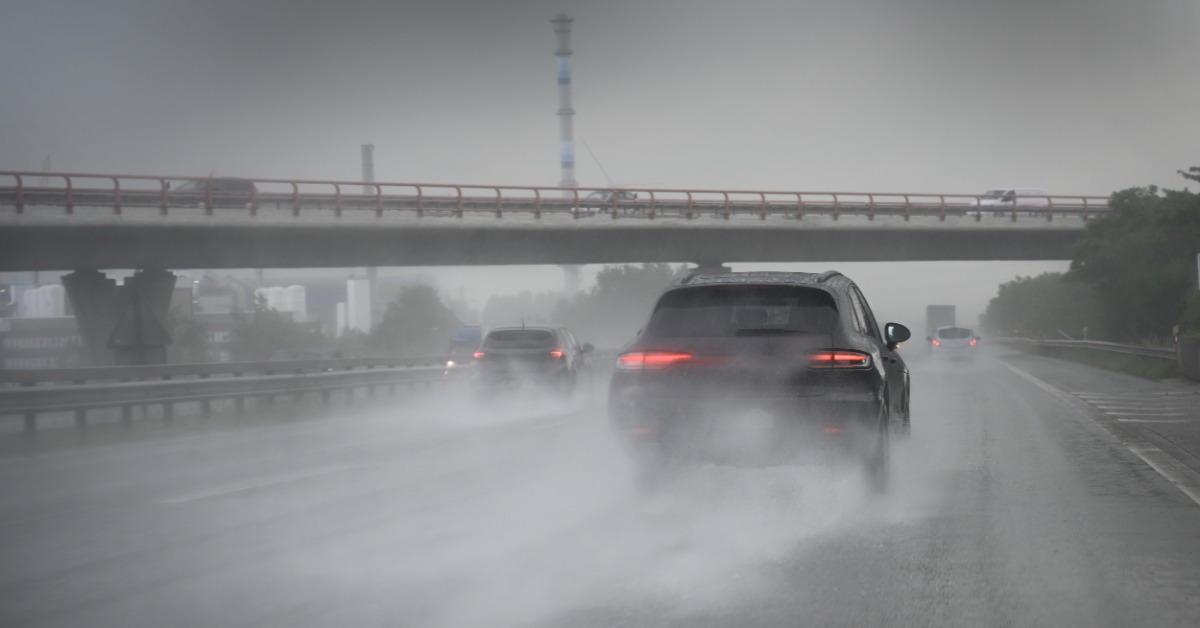
Directional tires feature grooves for one rotational direction. Many use a V-shaped pattern to move water outward from the contact patch. This approach can improve resistance to hydroplaning in standing water.
Installation matters because these tires must rotate in their specific direction. Directional tread tires may also come with rotation limitations. Follow manufacturer instructions to maintain performance.
Asymmetrical tires combine distinct tread features across their inside and outside sections. One area may emphasize water evacuation, and another may support cornering stability. The design addresses multiple demands within a single tire.
These tires have an identified outer side that installers must face outward. Their actual traction depends on the entire construction, including rubber and groove geometry. The pattern is only one part of the picture.
Tread patterns attract attention, but the rubber itself also affects grip. Manufacturers blend materials to achieve specific performance characteristics. These compounds influence how the tread responds to pavement texture, temperature, and moisture.
A suitable rubber compound can conform to tiny irregularities in pavement. This interaction helps the tire generate friction even when the road is wet. Temperature matters because rubber flexibility can change as conditions shift.
Some formulations use silica to improve wet grip and manage rolling resistance. Still, performance depends on the full compound and tire construction. A single ingredient can’t guarantee better traction.
Manufacturers also weigh tread life against wet-road performance. A compound for high grip may wear differently from one intended for long mileage. Engineers make these trade-offs based on the tire’s purpose.
Drivers should compare independent wet-braking test results when available. Tire labels and specifications can provide useful context, but tests reveal performance differences that appearance can’t show.
Sipes are narrow cuts in tread blocks. They create edges to help the rubber interact with wet pavement. Their placement affects braking and cornering behavior.
As the tread flexes against the road, sipes can help disrupt thin water films. Some manufacturers use interlocking designs to maintain block stability under pressure. More sipes aren’t automatically better, since excessive block movement can reduce steering precision.
Engineers coordinate sipe geometry with tread stiffness and rubber composition. That balance helps explain why visually similar tires can perform differently during rain.
Even a strong tread design loses some water-evacuation capacity as grooves become shallower. Less groove volume leaves less room for water to escape. The result can be longer wet stopping distances and a greater risk of hydroplaning.
Drivers should inspect tires rather than judge their condition by mileage alone. Watch for these signs that warrant closer attention:
The legal minimum tread depth for passenger tires in many states is 2/32 of an inch. Wet performance can decline well before that threshold. A tire professional can help evaluate replacement timing based on tread condition and expected use.
Inflation pressure affects how the tread meets the pavement. Low pressure can alter contact and increase hydroplaning susceptibility. Excessive pressure can also change contact distribution and handling.
Only check the pressure on cold tires. Follow the vehicle manufacturer’s recommendation on the driver’s door placard or in the owner’s manual. Proper inflation helps with handling and even tire wear.
Now that you understand how tire design impacts wet road traction, you can find suitable tires for your vehicle and driving environment. Coastal drivers can encounter sudden downpours and standing water. That makes wet-road traction a practical consideration when selecting replacements. Strong dry-weather performance doesn’t automatically translate to equally strong grip in rain.
Compare wet braking, hydroplaning resistance, and manufacturer specifications. Tire size and load capacity must also match vehicle requirements. A knowledgeable specialist can help you narrow the choices based on your routes and driving habits.
Tread grooves, blocks, rubber compounds, and sipes work together to influence wet-road grip. As tires wear, their ability to manage water changes, so inspections and proper inflation remain valuable. Even the best design can’t eliminate hazards from standing water; reduce speed and leave more distance between vehicles during rain.
For assistance choosing tires that fit your vehicle and local conditions, visit RNR Tire Express. Talk with the team about tread design, wet-weather performance, and options suitable for everyday travel.
By signing up you agree to our Privacy Policy.