Misc.
|
Jan 17, 2020
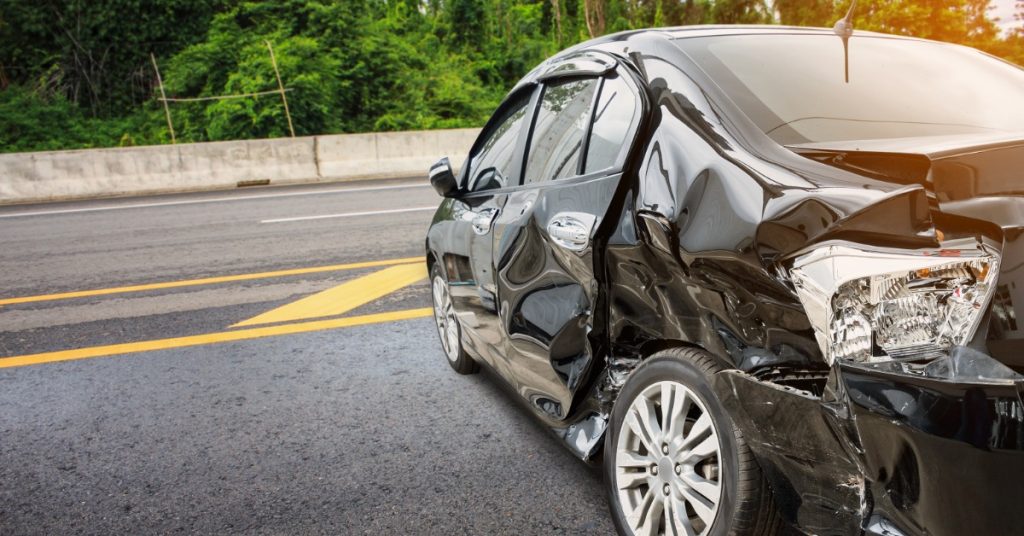
A car accident can leave behind more damage than a dented bumper or scratched paint. Your tires absorb tremendous force during a collision, and that impact can compromise their structure even when they appear perfectly normal. A tire that looks intact may have internal damage that affects its ability to support your vehicle safely.
Identifying tire damage after an accident helps you recognize potential hazards before you return to the road. Some problems become obvious immediately, but others require a closer inspection from a qualified technician. Understanding what to look for can help you avoid sudden tire failure and unnecessary repair expenses.
Tires withstand substantial pressure during normal driving, but collisions expose them to forces beyond everyday road conditions. A direct impact against another vehicle, curb, or roadside barrier can compress the tire against its wheel. This sudden force may damage the rubber, internal reinforcement cords, or the seal between the tire and rim.
Even a relatively minor accident can affect tire integrity. For example, a vehicle that slides sideways into a curb may suffer internal sidewall damage without a noticeable puncture. The tire might continue to hold air despite a weak structure that makes future failure possible.
Damage also depends on the direction and intensity of the collision. A frontal impact may affect the front tires and suspension components, whereas a side collision can place unusual pressure on the tire sidewalls. The absence of visible damage doesn’t necessarily mean the tires are safe to drive on.
A careful visual inspection can identify tire damage after an accident that deserves immediate attention. Start by examining each tire from a safe position, particularly those closest to the point of impact. Never place yourself beneath an unstable vehicle or attempt to inspect damage near active traffic.
A bulge along the tire’s sidewall indicates that its internal reinforcement may have suffered damage. The rubber can protrude outward when structural cords break, leaving the area vulnerable to rupture.
These bulges may appear immediately after a collision or become noticeable later. Because a sidewall bubble indicates structural damage, the tire requires replacement rather than repair. Don’t drive on a tire with a visible bulge, even for a short distance.
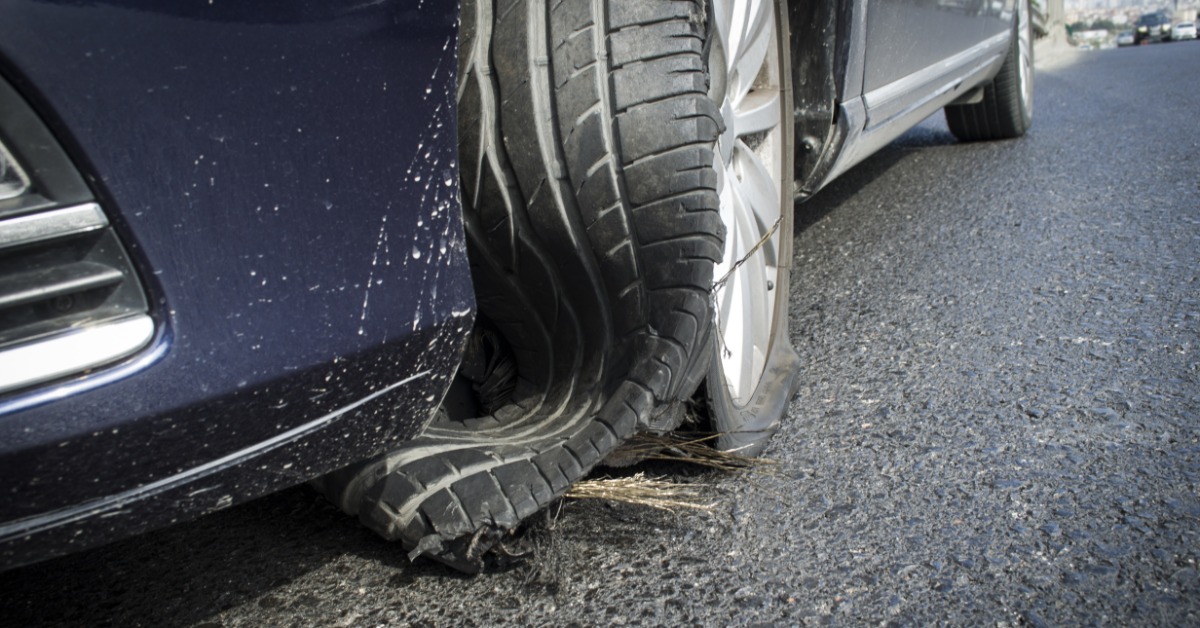
Sharp debris, damaged body panels, and roadside obstacles can slice into the rubber during an accident. Some surface scuffs affect only the outer layer, but deeper cuts may reach the reinforcement materials beneath.
Pay particular attention to damage along the sidewall and tire shoulder. Exposed cords, deep tears, or separated rubber indicate that the tire may no longer maintain its structural integrity. Have a qualified technician evaluate suspicious marks rather than assume they’re cosmetic.
Accident scenes may contain broken glass, metal fragments, and other sharp objects capable of puncturing tires. A nail or piece of debris in the tread can produce a slow leak that escapes immediate notice.
Not every puncture requires replacement. A technician may repair certain tread-area punctures after removing the tire and inspecting its interior. Damage outside the repairable tread area, however, generally requires a new tire.
Visible damage tells only part of the story. Some of the most concerning problems develop inside the tire, beyond the reach of a routine visual examination.
If you’ve recently experienced a collision, RNR Tire Express’s tire shop in Meridian, MS, can evaluate the damage and determine which tires need replacement. A professional inspection can reveal problems that might otherwise go unnoticed until they affect vehicle performance.
Modern tires rely on internal layers of reinforcement to maintain their shape and withstand road forces. A severe impact can break these materials without leaving an obvious mark on the outer rubber.
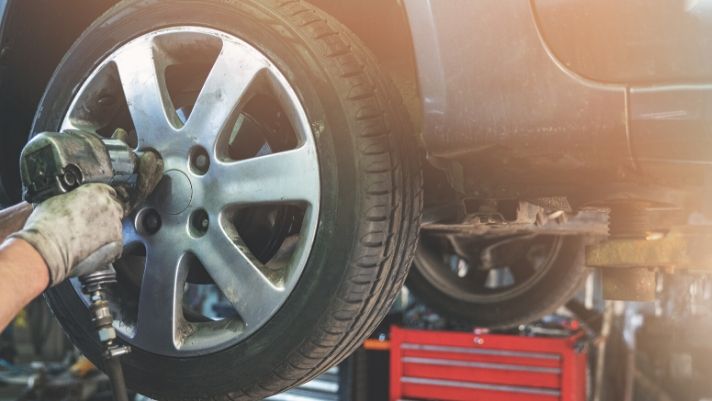
Over time, damaged internal components may contribute to tire separation or sudden air loss. Technicians can remove a tire from its wheel to examine areas that aren’t visible from the outside. This inspection helps them determine if the tire remains suitable for service.
The bead forms the seal between the tire and wheel. During a collision, the rim may bend or shift enough to damage this area, potentially allowing air to escape.
Bead damage can produce gradual pressure loss or prevent the tire from maintaining a reliable seal. A technician must inspect the tire and wheel together to identify the source. Depending on the damage, replacement of the tire, wheel, or both may be necessary.
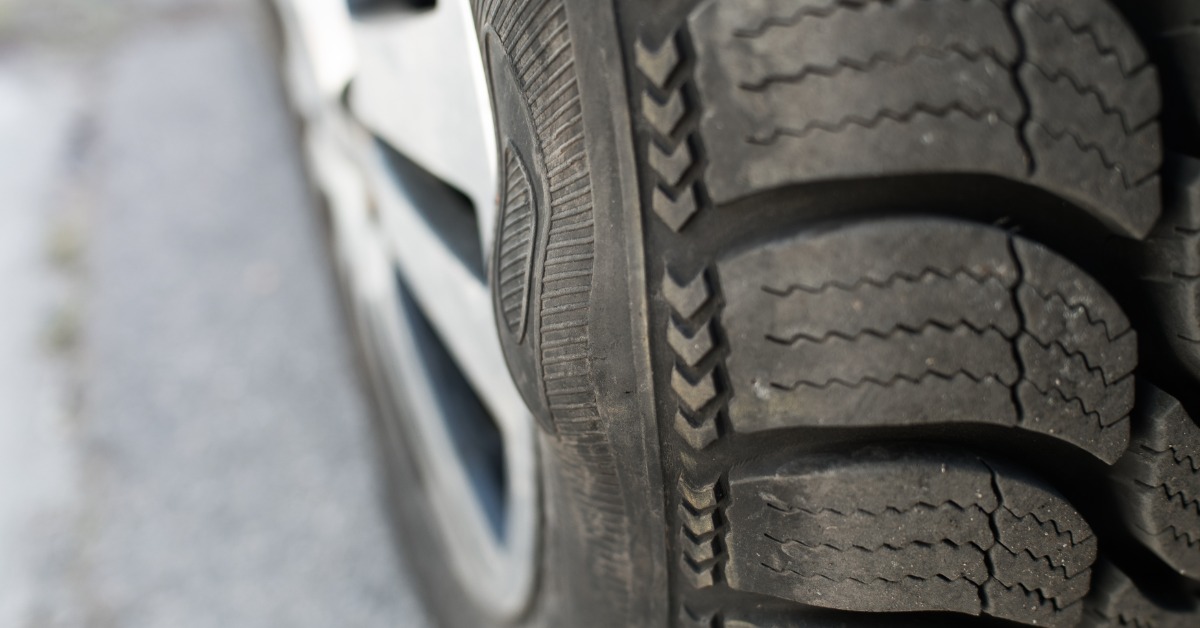
A tire that loses pressure shortly after a collision deserves prompt attention. Compare its pressure with the vehicle manufacturer’s recommended cold inflation pressure, which appears on the driver’s door placard or in the owner’s manual. A steadily declining reading may indicate a puncture, damaged valve, or compromised bead seal.
Never rely solely on a dashboard warning to identify a problem. Some vehicles display a low-pressure warning only after a substantial change, and a tire can sustain structural damage without losing air. A pressure gauge provides useful information, but it cannot rule out internal damage.
After an accident, changes in vehicle behavior can offer additional clues. A new vibration, unusual road noise, or a steering wheel that pulls to one side may point to a damaged tire, bent wheel, or suspension problem. These symptoms deserve attention even if every tire appears properly inflated.
A vehicle that struck a curb during the collision may also develop uneven tire contact with the pavement. Damaged suspension components or altered alignment can accelerate tread wear and affect steering response. Inspect the related systems instead of assuming that tire replacement alone will resolve the problem.
Once you reach a safe location, photograph visible tire and wheel damage before arranging an inspection. Record any pressure warnings or unusual vehicle behavior, too. Those details can help the technician understand what happened and locate areas that deserve closer attention.
Avoid driving the vehicle if a tire has a bulge, exposed cords, substantial cuts, or rapid air loss. Use roadside assistance or arrange a tow rather than risk a tire failure. If the car has collision-related steering or suspension damage, it may be unsafe to drive even when the tires look normal.
A technician will examine the tire tread, sidewalls, bead areas, and wheel condition. Depending on the impact and symptoms, the inspection may also involve removing the tire from the rim, checking for leaks, and evaluating alignment or suspension components. The findings determine which parts can remain in service and which require replacement.
Following an accident, the safest next step isn’t to judge tire condition by appearance alone. Careful inspection can uncover subtle damage before it creates another roadside emergency. Contact RNR Tire Express to discuss your tire concerns and arrange an evaluation at a convenient location.
By signing up you agree to our Privacy Policy.