Misc.
|
Jan 17, 2020
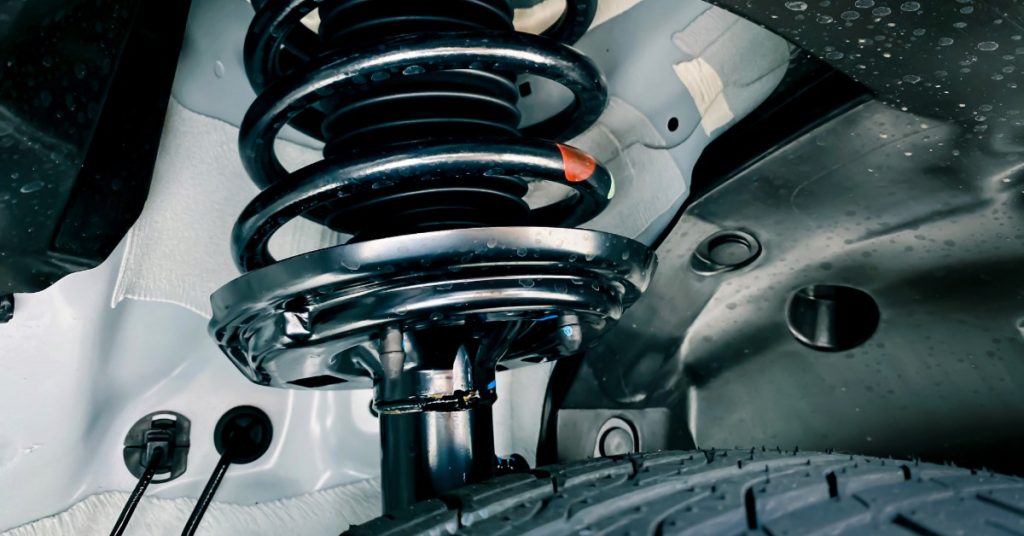
A comfortable ride can make a rough road feel fairly tame. Shock absorbers play a large role in that calm, controlled feel because they help manage suspension movement after your tires encounter dips, bumps, and uneven pavement. As shocks wear, the change may arrive so gradually that a driver adapts to it without much thought. That’s why these signs your vehicle needs new shock absorbers deserve attention before poor ride quality becomes the new normal. If your car feels less settled than it once did, use the guide below to take a closer look.
Your vehicle’s springs absorb much of the force that comes from road imperfections. After a spring compresses, though, it naturally wants to rebound. Shock absorbers control that motion so that the body and suspension don’t continue to bounce after each disturbance. Healthy shocks contribute to predictable road response, stable stops, and a composed ride. Once they lose their ability to control suspension movement, the vehicle can start to feel loose or unsettled.
One familiar sign of worn shocks is extra bounce after the vehicle moves over a bump or dip. A healthy suspension should settle fairly quickly. If the body continues to rise and fall several times, the shocks may no longer control the springs as well as originally intended. Instead of one controlled motion, the car may feel as though it floats for a moment afterward. That sensation can become more pronounced as shock wear progresses.
Focus on how the vehicle behaves when you press the brake pedal. If the front end drops more than usual, worn shocks may contribute to that exaggerated movement. Drivers sometimes describe this as a nose-dive sensation.
Some forward weight transfer is normal during a stop. Excessive movement is different because the vehicle can feel less composed as speed falls. Since several suspension or brake-related concerns can affect how a car feels under deceleration, a professional inspection can help identify the actual cause.
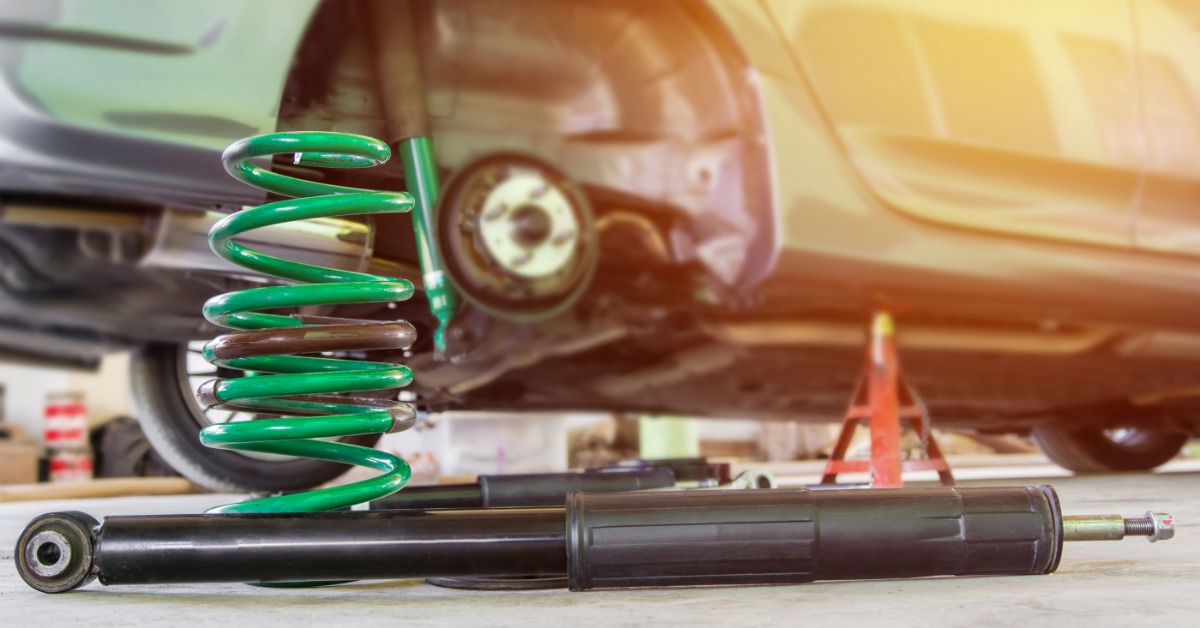
Suspension movement can also become noticeable when you accelerate. With worn shocks, the rear of the vehicle will typically dip more than expected as the front rises. A small amount of body movement is normal as weight shifts. The concern starts when that motion feels excessive compared with the vehicle’s usual behavior. If the car seems to rock backward each time you press the accelerator, the shocks deserve a closer look.
A vehicle should feel controlled as it moves through a curve. Worn shocks can allow more side-to-side body motion, so a familiar corner may suddenly feel less composed. The car may lean farther than expected even at a normal road speed. You may first notice that you need small corrections through a long curve or that the cabin seems to sway more than before. Those subtle changes can provide useful clues about suspension condition.
Tires reveal plenty about what happens beneath the vehicle. If the shocks can’t keep a tire firmly controlled against the pavement, the tread may develop an uneven pattern. Cupped or scalloped areas can appear as high and low spots around the tread. Uneven wear doesn’t prove that the shocks have failed. Alignment trouble, tire balance concerns, and other suspension faults can create abnormal tread patterns, too.
Drivers spend enough time in their vehicles to become familiar with the normal ride. When that character changes, it’s worth notice. A car that once felt calm over cracked pavement may start to transmit more motion into the cabin. The change may feel like repeated jolts or a loose sensation after road impacts. Since shock wear tends to develop over time, compare the current ride with how the vehicle felt several months ago.
Shock absorbers use hydraulic fluid to control suspension motion. If you see fluid on the exterior of a shock, the component may need inspection. Don’t rely on appearance alone to judge the condition of the part. Shocks can lose performance without an obvious leak, and residue can have another source. A technician should inspect the component, its mounts, and nearby suspension parts for a clearer diagnosis.
A worn shock itself may not always create a dramatic noise, but damaged mounts or related hardware can produce knocks and clunks. Noise deserves a proper inspection because many front-end and suspension parts can create similar symptoms. Ball joints, bushings, and other components may also produce sounds over bumps. Guesswork can lead to unnecessary part replacement, so a hands-on evaluation offers a better path.

Shock wear can affect more than ride comfort. Since the suspension helps keep the tires in contact with the pavement, weak shock control can make road response feel less precise on uneven surfaces. For instance, the vehicle might require more correction than it did before. Wind, tire pressure, alignment, and worn suspension parts can create similar behavior. If those changes appear alongside extra bounce or body roll, tell the technician about every symptom you’ve noticed.
Worn shocks can affect comfort, tire contact, and the way a vehicle responds to driver input. That doesn’t mean every bump or sway points directly to failed shocks. It does mean a noticeable change deserves more than a shrug. A proper inspection can separate shock trouble from tire, alignment, suspension, or other vehicle concerns. Early attention can also help you address abnormal tire wear before it becomes more severe.
The signs your vehicle needs new shock absorbers can range from extra bounce and body roll to uneven tire wear, fluid leaks, and changes in road response. No single symptom tells the whole story, so consider how the vehicle behaves as a complete system. If your ride has lost its smooth, controlled feel, RNR Tire Express can help you take the next step. Visit your local RNR Tire Express for tires in Tupelo, MS, and mention any concerns you’ve noticed with ride quality or tire wear. A timely inspection can give you a clearer picture of what your vehicle needs and help you get back on the road with greater confidence.
By signing up you agree to our Privacy Policy.