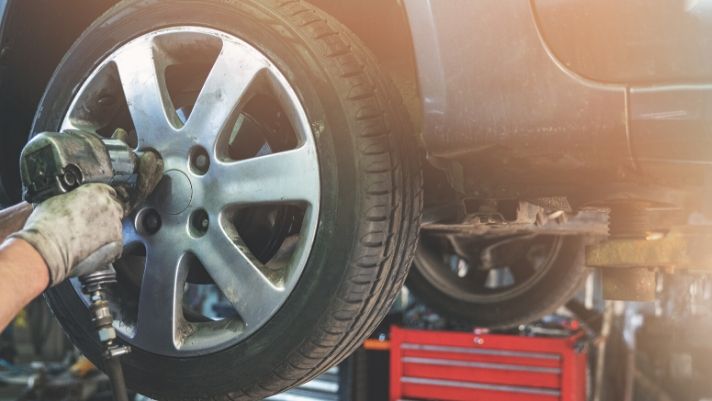
Misc.
|
Jan 17, 2020
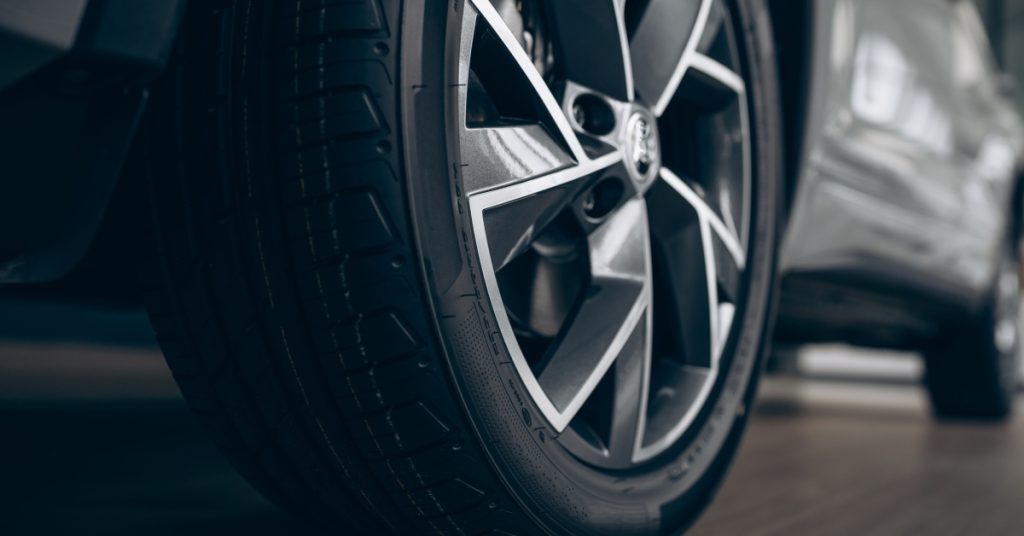
The connection between a driver and the road relies entirely on four small patches of rubber. For sports car owners, these contact patches are not just about getting from point A to point B; they are the critical link that translates raw horsepower into exhilaration. As automotive technology accelerates, tire manufacturers are racing to keep up, developing innovations that promise to redefine grip, durability, and safety at high speeds.
High-performance vehicles demand high-performance tires. The future of high-speed tires for sports cars is moving beyond simple rubber compounds into smart technology, sustainability, and adaptive engineering. This evolution aims to ensure that as engines become more powerful and electric vehicles deliver instant torque, the tires can handle the load without compromising safety or efficiency.
The integration of technology into vehicle components has reached the wheel well. Manufacturers are embedding sensors directly into the tire structure, creating “intelligent” tires that communicate real-time data to the driver and the car’s onboard computer.
These sensors monitor critical metrics, including internal temperature, pressure, tread depth, and road surface conditions. For a high-speed sports car, this data is invaluable. Imagine driving on a wet highway; the tire detects a loss of friction and instantly signals the car’s stability control system to adjust power distribution before the driver even feels a slip. This integration significantly enhances safety, preventing accidents before they happen.
Furthermore, this connectivity allows for predictive maintenance. Instead of guessing when your treads wear down, the app connected to your vehicle will alert you exactly when replacements are needed, optimizing cost-effective repairs and ensuring the vehicle is always road-ready.
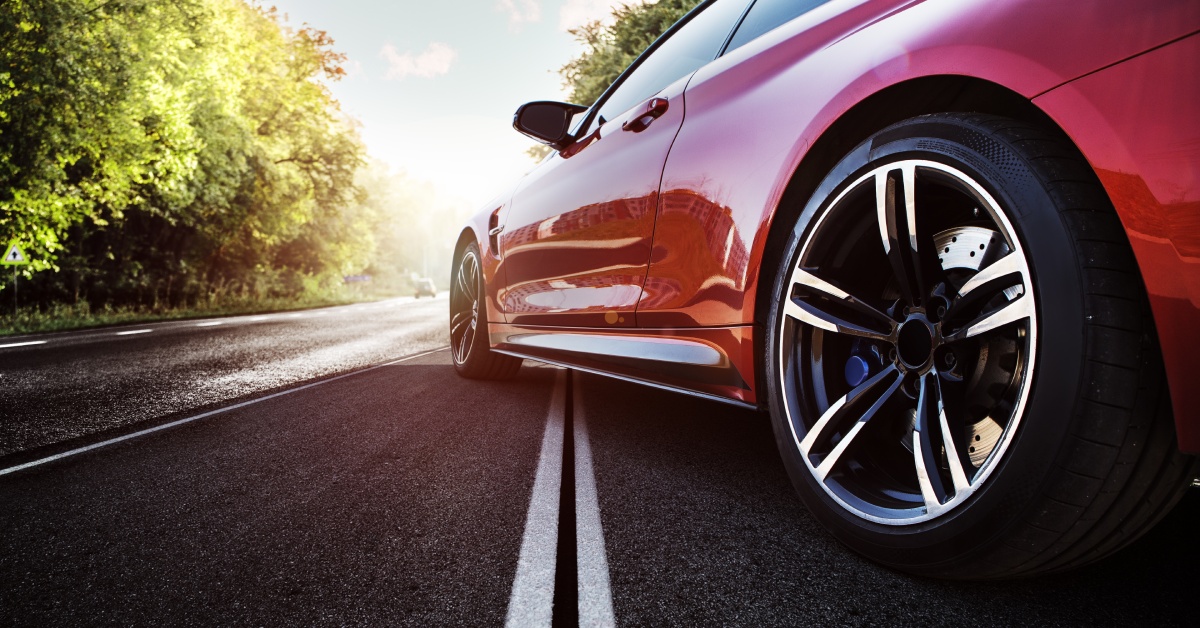
Environmental concerns are driving a major shift in how tires are produced. Traditionally, high-speed tires relied heavily on petroleum-based products to achieve the necessary stickiness and heat resistance. However, the industry is now pivoting toward sustainable alternatives without sacrificing performance.
Tire manufacturers are testing new compounds and materials, such as dandelion rubber, rice husk ash-silica, and recycled plastic bottles. These eco-friendly materials are proving to be just as resilient as their synthetic counterparts. For the environmentally conscious sports car owner, this means enjoying the thrill of the drive while reducing the carbon footprint.
Efficiency is another key factor. New manufacturing techniques are reducing rolling resistance, directly contributing to improved fuel efficiency in combustion engines and extended range in electric sports cars. This balance of performance and sustainability ensures that the future of driving remains responsible.
Electric vehicles (EVs) present a unique challenge for tire manufacturers. Electric sports cars are significantly heavier than their gasoline-powered predecessors due to large battery packs. They also deliver instant torque, which can shred standard tires if they aren’t durable enough.
The stress of these new vehicles means tire companies have to engineer the next generation of high-speed tires to handle them. Reinforced sidewalls and specialized tread patterns have to withstand the extra weight and sudden bursts of power associated with electric vehicles. This durability ensures that the tires last longer, reducing maintenance costs for the owner.
Additionally, EVs operate quietly, making road noise from tires much more noticeable. Manufacturers are developing noise-canceling technologies within the tire—such as foam liners—to ensure a silent, comfortable ride that matches the luxury feel of modern electric sports cars.
Punctures and blowouts are a major safety risk, especially at high speeds. To eliminate this danger, the industry is moving toward airless or non-pneumatic tire technology.
These concept tires use a unique internal structure of flexible spokes to support the vehicle’s weight, removing the need for air pressure entirely. For high-speed driving, this eliminates the risk of catastrophic failure due to pressure loss and the possible injuries or deaths resulting from these accidents. It also eliminates the need for spare tires and pressure-monitoring systems, lightening the vehicle load.
While currently in the prototype and testing phases for passenger vehicles, airless tires represent a leap forward in reliability. Drivers will no longer need to worry about flats, ensuring a seamless, uninterrupted driving experience regardless of the vehicle they are driving.
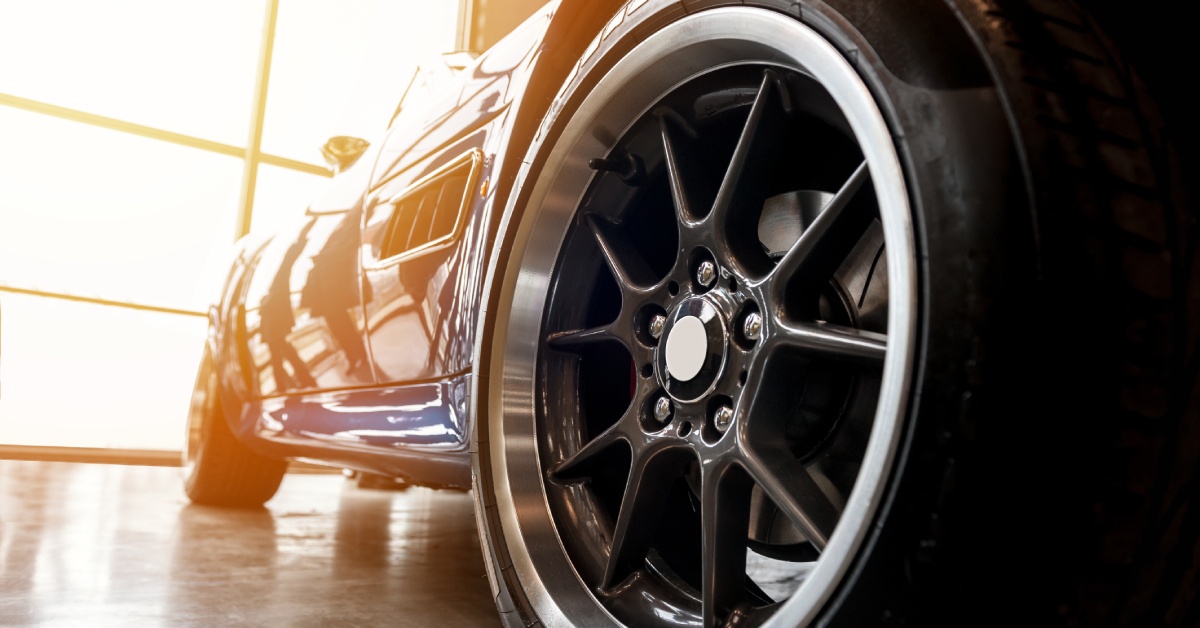
Personalization is a significant trend in the luxury sports car market, and tires are next in line. 3D printing technology is enabling manufacturers to create concept treads tailored to specific driving conditions or driver preferences.
A driver living in a rainy climate could order tires with a tread pattern specifically optimized for water displacement, printed on demand. Alternatively, a track enthusiast could request a specific compound distribution for maximum dry grip. This level of customization allows for optimized performance that mass-produced tires cannot match.
This technology also allows for tread renewal. Instead of discarding a worn tire, specialized 3D printers could potentially “print” new tread onto the existing tire, thereby extending the tire’s life and reducing waste.
Safety remains the priority for any vehicle component, but it is paramount for high-speed applications. Future tires are focused on maximizing road contact under all conditions.
Adaptive contact patches are a concept where the tire changes shape based on driving conditions. At high speeds, the tire might narrow to reduce drag and heat buildup. Under heavy braking or cornering, the tire could flatten and widen to increase the contact area with the road, providing maximum grip when it is needed most.
These innovations work in tandem with the car’s existing safety systems. By providing better mechanical grip, electronic safety nets—such as anti-lock brakes and traction control—can work more effectively, keeping the driver safe on the road.
The future of high-speed sports car tires is an exciting one, as it is predicated on driving smarter, safer, and cleaner. From intelligent sensors that communicate with your car to sustainable materials that protect the planet, these advancements are set to improve every aspect of the driving experience.
For the sports car enthusiast, these changes promise a ride that is not only thrilling but also reliable and efficient. As these technologies move from concept to production, the bond between the car and the road will only get stronger, ensuring that every drive is as safe as it is exciting.
In the meantime, you can find a variety of tires in Clovis with RNR Tire Express. Whether you’re looking for premium brands or budget-friendly alternatives, RNR Tire Express offers an array of choices to suit every vehicle and budget. Our flexible payment options mean that you can find the perfect choice for your vehicle without breaking the bank. Visit us today to explore your tire options.
By signing up you agree to our Privacy Policy.