Misc.
|
Jan 17, 2020
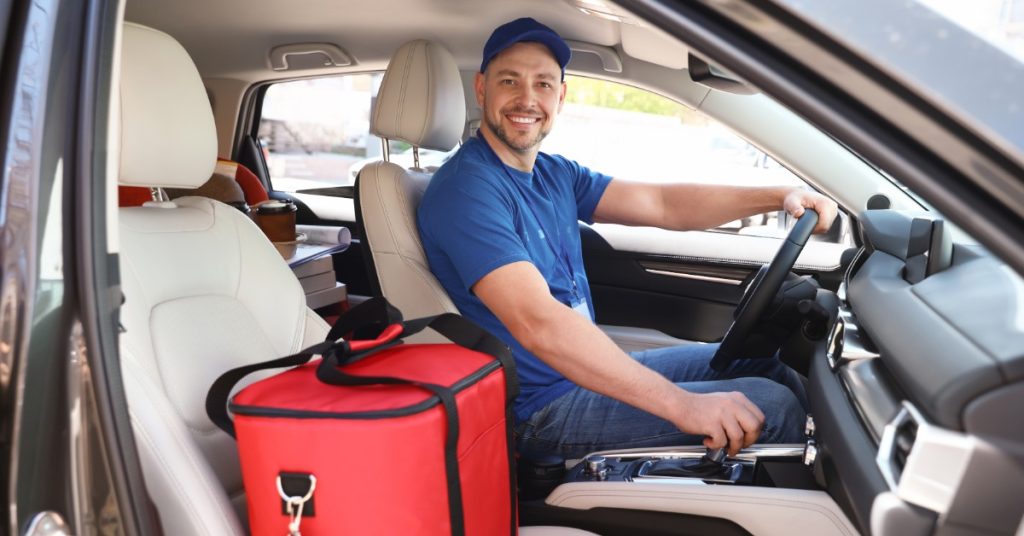
When your paycheck depends on how many miles you drive, keeping your tires in good condition becomes more than routine vehicle maintenance. Rideshare and delivery drivers spend countless hours navigating busy streets, making frequent stops, and putting extra wear on their vehicles.
Worn tires or unexpected tire problems can interrupt a busy shift and cut into valuable earning time. Following these tire tips for rideshare and delivery drivers can help you stay ahead of maintenance needs, extend tire life, and keep your vehicle ready for the next trip.
Tire pressure matters during long workdays. Underinflated tires flex more than they should, which builds heat and can accelerate tread wear. Overinflation can also cause uneven wear and make the ride feel harsher. Both can compromise handling during a shift.
Check pressure when the tires are cold, ideally before starting the first trip of the day. Use the pressure listed on the driver’s doorjamb label rather than the maximum pressure printed on the tire sidewall.
A gauge takes moments to use. If one tire repeatedly loses air, have a tire professional check for a puncture or leaking valve instead of constantly topping it off.
A rideshare driver might travel more miles in a week than another driver covers in several weeks. That mileage makes tread checks important. Tire grooves channel water away to help maintain wet-road grip. As tread wears down, stopping and cornering in the rain become more challenging.
Use a tread-depth gauge to monitor each tire rather than judging tread by appearance alone. A common legal minimum is 2/32 inch, but wet-road performance can decline sooner.
Check several spots across each tire because the tread may not wear evenly. When measurements approach the replacement range, plan ahead instead of waiting for a warning during a delivery run.
Tires often reveal clues about problems elsewhere on the vehicle. Shoulder wear may indicate low pressure; center wear may indicate overinflation. Wear concentrated on one edge can signal an alignment issue. Cupped or scalloped patches may suggest that suspension components need attention.
A fuel-stop check can catch early changes. Run your eyes across the tread and compare the inside and outside edges whenever you can see them safely. If the steering wheel pulls to one side or the vehicle starts vibrating, arrange an inspection. Replacing tires without addressing the underlying cause may send the new set down the same path.

Front and rear tires do different jobs, and they rarely wear at exactly the same rate. On many vehicles, the front tires handle steering and a larger share of braking forces. Regular rotation helps distribute wear across the set, which can support longer tire life. That matters when driving pays the bills.
Follow the vehicle manufacturer’s rotation schedule and account for any tire-specific requirements. Many drivers use a 5,000- to 8,000-mile interval as a general reference, but the correct timing depends on the vehicle and tires.
Some vehicles use different tire sizes front and rear or directional tread patterns that limit rotation choices. A tire shop can confirm the right pattern instead of applying a one-size-fits-all approach.
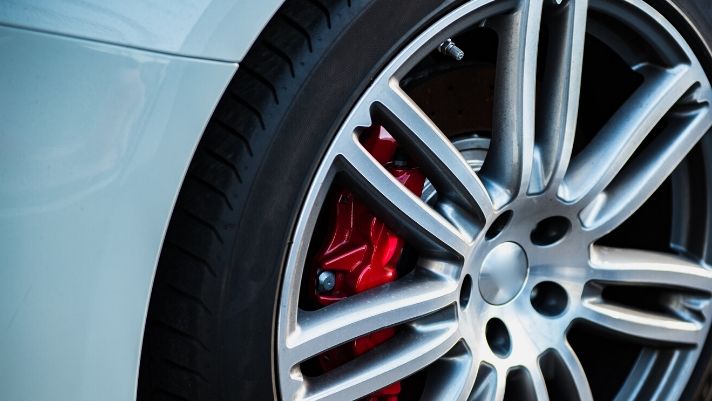
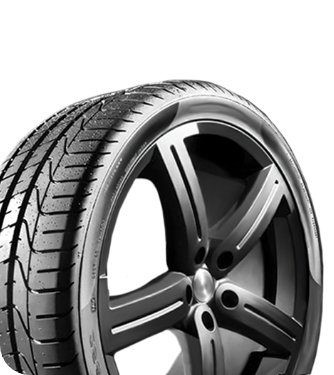
A weekend sports car tire may not suit daily passenger or delivery work. Consider where you drive most often and how the vehicle behaves in those conditions. City routes involve repeated braking and turning, while highway trips emphasize steady performance over longer distances. Local weather should influence the decision, too.
Focus on the qualities that matter during a working shift:
A knowledgeable tire professional can help balance these priorities against your budget. The lowest price may not offer the best value. Consider the full cost of ownership rather than treating every tire as interchangeable.
Passenger pickups and delivery runs change the weight a vehicle carries throughout the day. Several passengers with luggage can add a meaningful load, especially in a smaller car. Heavy grocery orders or equipment can do the same. That extra weight affects how tires work, particularly during braking and sharp turns.
Stay within the vehicle’s stated load limits and keep cargo secure. Never choose tires with a load rating below the vehicle manufacturer’s requirements. Remember that the correct cold inflation pressure comes from the vehicle guidance, not a guess based on how full the car feels. If a load causes unusual handling or visible tire deformation, stop and investigate before accepting another trip.

A long shift leaves little room for surprise breakdowns, so small habits can make a real difference. Drivers do not need to inspect every tire after each delivery. Instead, pair a few simple checks with routines that already happen during the day. Consistency matters more than turning maintenance into another demanding task.
Before heading out, glance at all four tires for obvious low pressure or damage. During a break, look for nails, cuts, or bulges in accessible sidewalls and tread areas. Pay attention to new vibrations or unusual road noise while driving.
If a tire develops a bulge, loses pressure quickly, or shows exposed cords, stop driving and arrange professional help rather than trying to finish the shift.
Tire maintenance becomes easier to manage when it has a place on the calendar. Track mileage, note the date of each rotation, and record pressure concerns as they appear.
Scheduling service before a tire becomes unsafe can help avoid losing an entire workday to an unexpected problem. It also gives drivers time to compare suitable replacement options.
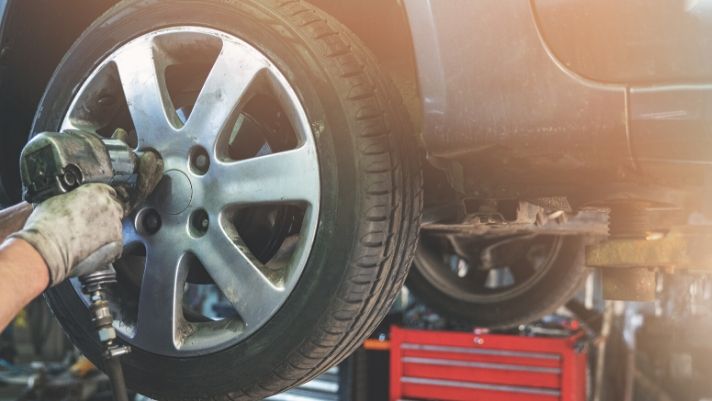
For drivers shopping for tires in McAllen, RNR Tire Express offers brand-name tire choices, professional installation, and other tire services. The shop also provides payment options that can make a planned tire purchase easier to manage. Ask about tire fitment and service needs before booking an appointment so the visit addresses the issues you have noticed.
Every successful shift starts with a vehicle you can count on, and dependable tires play an important role in keeping your workday on schedule. Following these tire tips for rideshare and delivery drivers can help you make smarter maintenance decisions while protecting your vehicle from unnecessary wear.
Whether you drive passengers across town or deliver orders throughout the day, investing in quality tires helps support your livelihood. RNR Tire Express offers affordable, brand-name tires with convenient payment options to help you stay on the road. Visit RNR Tire Express today to find the right tires for your vehicle and keep your next shift moving.
By signing up you agree to our Privacy Policy.