Misc.
|
Jan 17, 2020
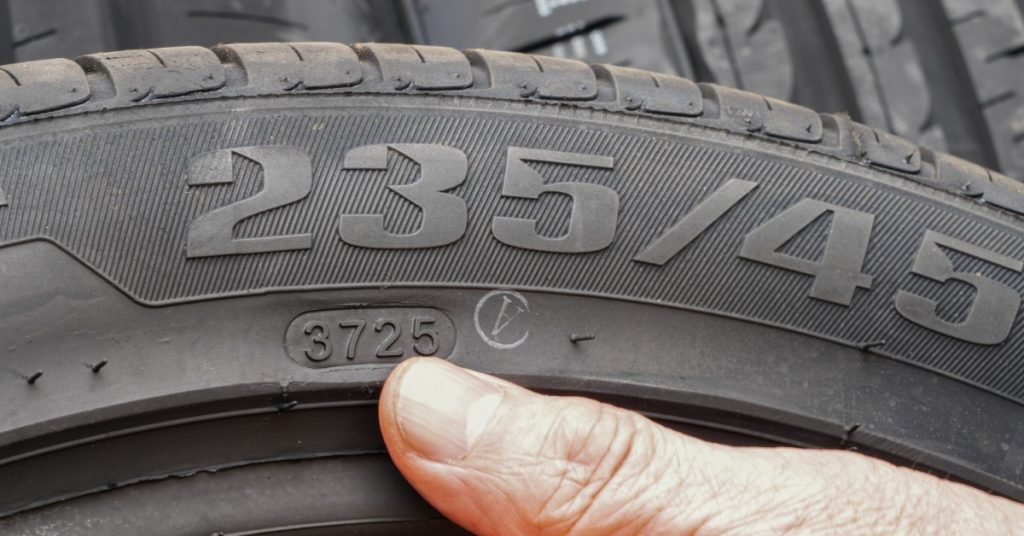
A tire sidewall contains far more information than a brand name and tire size. Among the letters and numbers in the rubber, the DOT code can tell you where a tire came from and its manufacturing date. Understanding the DOT code on your tires can prove useful when you check tire age, respond to a recall, or assess a set of tires you recently purchased.
The code can look confusing at first, but you don’t need to memorize every character to get useful information from it. Once you know where to look and what the main sections represent, the numbers become much easier to understand.
The letters “DOT” indicate that a tire complies with applicable Department of Transportation safety standards. The characters that follow make up the tire identification number (TIN). Manufacturers mold this identification information into the tire sidewall.
A TIN contains information from the tire manufacturer, including a plant code and a date of manufacture. Depending on when the manufacturer produced the tire, the exact length and arrangement of the code can differ. For most drivers, the manufacturing date at the end of the TIN provides the most immediately useful information.
The TIN also plays a role in tire recalls. Tire identification allows manufacturers and safety agencies to identify groups of tires from a particular facility and during a particular production period. That is one reason it helps to know where this code appears on your vehicle.
Understanding the DOT code on your tires is much easier than you may think at first glance. When you inspect the code, you may see a sequence like DOT ABC XXXXX 2425. The exact letters and numbers can vary by manufacturer, but the final four digits follow a standard date format on modern tires. Those final digits tell you the age of the tire.
For example, a date code of 2425 dates the tire’s origin to the 24th week of 2025. The digits represent the week (24) and the year (25) of its production. A code ending in 1024 would indicate the 10th week of 2024.
Near the beginning of the TIN, you’ll find a code that identifies the manufacturing plant. This information has more value when a manufacturer or safety agency needs to trace the origin of a tire. Most drivers won’t need to decode the plant information during routine vehicle care.
The structure of TINs has also changed over time, so examples from older tires may not match newer formats character for character. That difference doesn’t prevent you from finding the manufacturing date. On tires manufactured after 2000, focus on the final four-digit date code.
The middle portion of a modern TIN can contain a manufacturer-assigned code. Manufacturers use this section to identify characteristics of the tire within their own systems. Unlike the four-digit date code, these characters generally aren’t something a driver can interpret just by looking at them.
If a recall notice lists a specific TIN or range of tire identification information, compare the notice carefully with your tire. A tire professional can also help verify the code if the lettering is difficult to read or sits on the side of the tire that faces inward.
Look along the sidewall for the letters DOT. The full TIN may appear on only one side of a tire, so you may not immediately see the complete sequence when you walk around your vehicle.
An inward-facing code can require a little more effort to inspect. Depending on the vehicle and tire position, you may need a flashlight or a better viewing angle. Avoid crawling beneath an unsupported vehicle or attempting to lift it without the correct equipment and procedures.
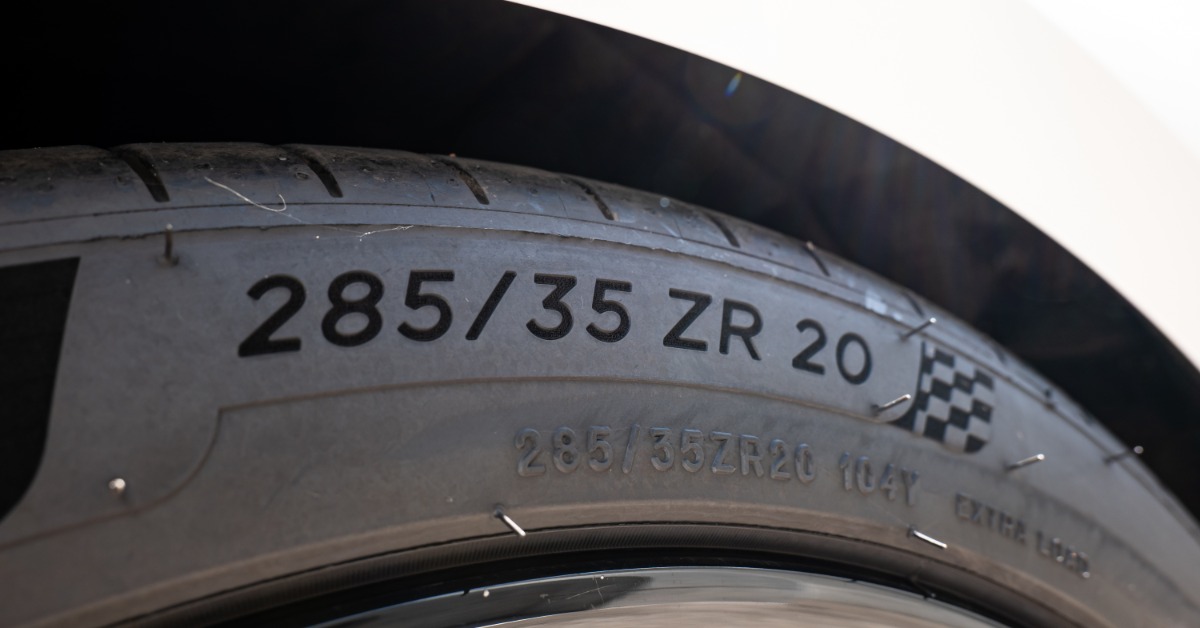
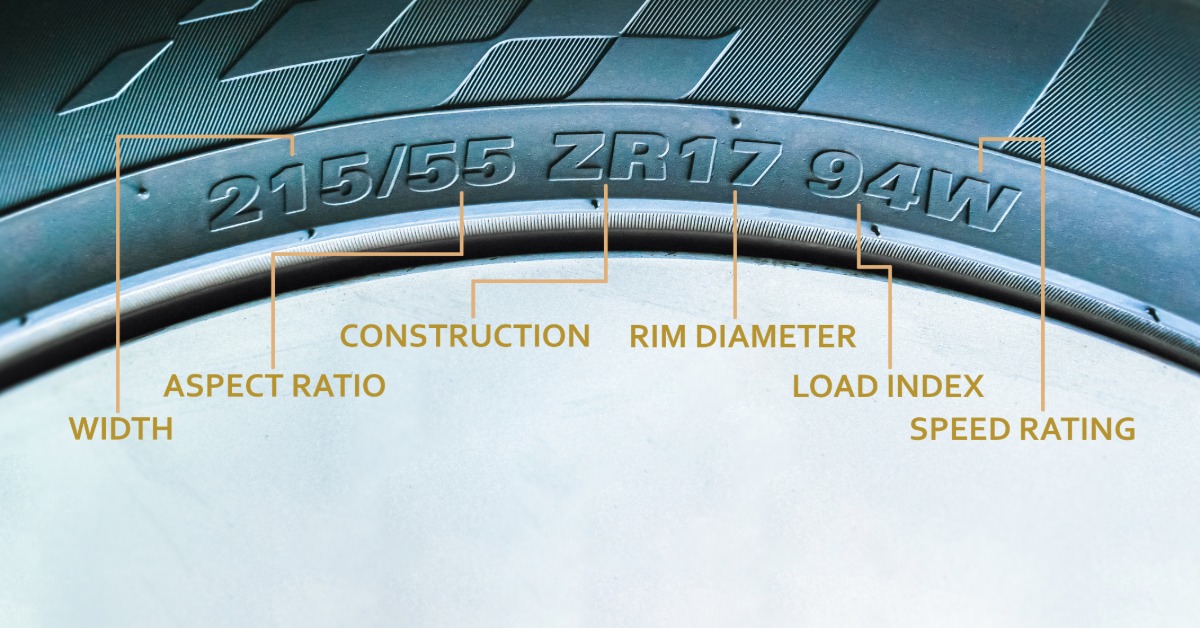
The sidewall contains many other markings, so don’t confuse the TIN with the tire-size sequence. A tire size may look something like P225/60R17, for example. The DOT identification appears separately and begins with the DOT marking.
Tires change with age even when they still have visible tread. Heat, environmental exposure, storage conditions, maintenance, and use can affect rubber over time. That means tread depth alone doesn’t provide a complete picture of a tire’s condition.
Tires become more prone to failure as they age. It’s typically best to replace tires after 6 to 10 years, whether they’ve traveled 10 miles or 10,000. Drivers should follow recommendations from their vehicle and tire manufacturers rather than relying on a universal age limit.
A spare can spend years untouched in a trunk or under a vehicle. Because it sees little road use, its tread may look nearly new even though the rubber is old. Drivers should always account for the age of full-size spare tires.
Check the DOT date code on your spare along with the four tires currently on the vehicle. You can also inspect it for cracks, visible damage, and proper inflation according to your vehicle manufacturer’s specifications. A spare provides little help during a roadside problem if it’s old and in poor condition.
A DOT code provides identification and manufacturing information, but it isn’t a complete tire inspection. The production date doesn’t tell you how many miles the tire has traveled, how consistently a previous owner maintained it, or what road hazards it has encountered.
A relatively new tire can still suffer damage from a pothole, puncture, improper inflation, or impact with a curb. Conversely, a tire’s age by itself doesn’t tell you everything about its present physical condition. A professional inspection considers the tire completely.
You don’t need to check the full TIN every time you check your tire pressure. Still, recording the date codes can give you a useful reference for future tire service. It can also save time if a manufacturer announces a recall that applies to a specific production group.
Keep the information with your other vehicle records if that’s convenient. You’ll have the manufacturing dates available when you discuss tire condition or replacement with a technician.
Regular tire care still requires more than decoding numbers on a sidewall. Maintain the tire pressure your vehicle manufacturer specifies, inspect the tread, and address unusual wear or damage promptly. Those habits provide context that a date code alone cannot supply.
The DOT code turns a small group of sidewall characters into useful information about your tires. Once you understand the four-digit date code, you can quickly identify the origin date of the tire, and the rest of the TIN can also help identify a tire during certain recall situations.
If your tire date codes reveal an older set, or you notice wear or damage during your inspection, RNR Tire Express can help you find new tires in Meridian, MS, and all along the Gulf Coast. Visit your local RNR Tire Express for tire service, replacement options, and help choosing tires that fit your vehicle and driving needs.
By signing up you agree to our Privacy Policy.