Misc.
|
Jan 17, 2020
Tire wear tells a clear story about how a vehicle performs on the road. Drivers who understand these patterns can catch problems early and avoid expensive repairs. Cupping wear is one of the most noticeable and concerning tire issues, but many drivers can’t recognize it. This uneven wear pattern often points directly to suspension trouble that demands attention.
Many drivers overlook early symptoms until vibrations and noise become impossible to ignore. Understanding what cupping wear says about your suspension and other parts of your vehicle gives drivers the knowledge needed to act quickly and confidently.
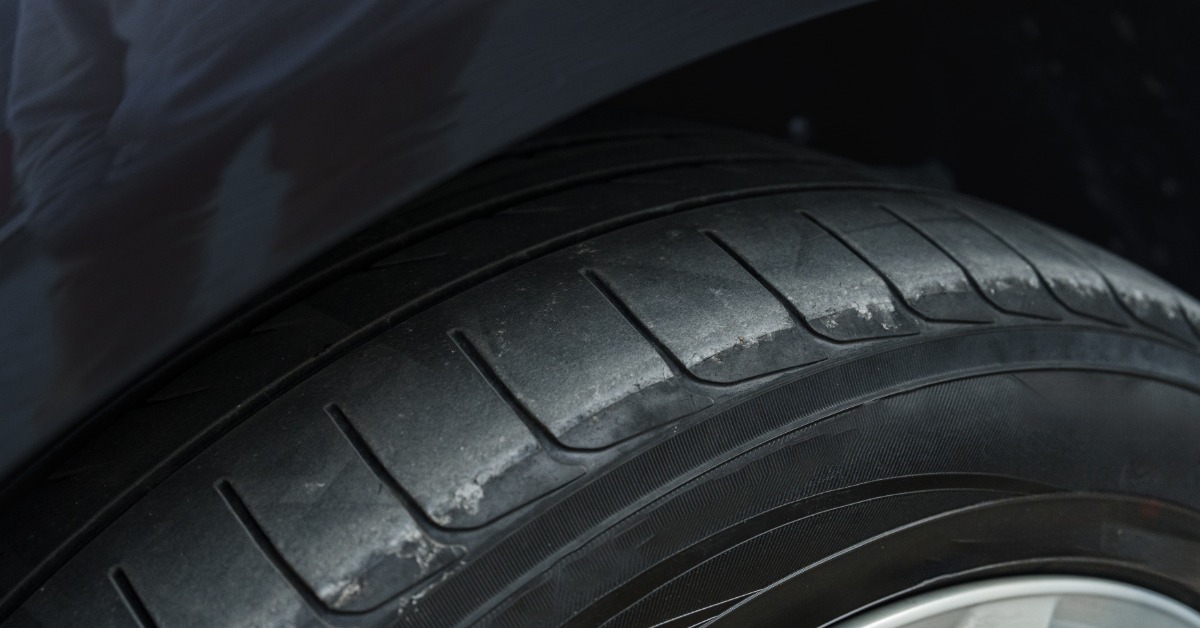
Cupping wear creates a series of dips or scalloped patterns along the tire tread. These dips appear uneven and feel rough when a hand moves across the tire surface. The pattern often develops in patches instead of spreading evenly across the tread. Drivers may notice a humming or thumping sound while driving at higher speeds.
This wear pattern signals that the tire loses consistent contact with the road. Instead of rolling smoothly, the tire bounces slightly as it rotates. That repeated bouncing causes sections of the tread to wear faster than others. Over time, the problem worsens and affects overall vehicle performance.
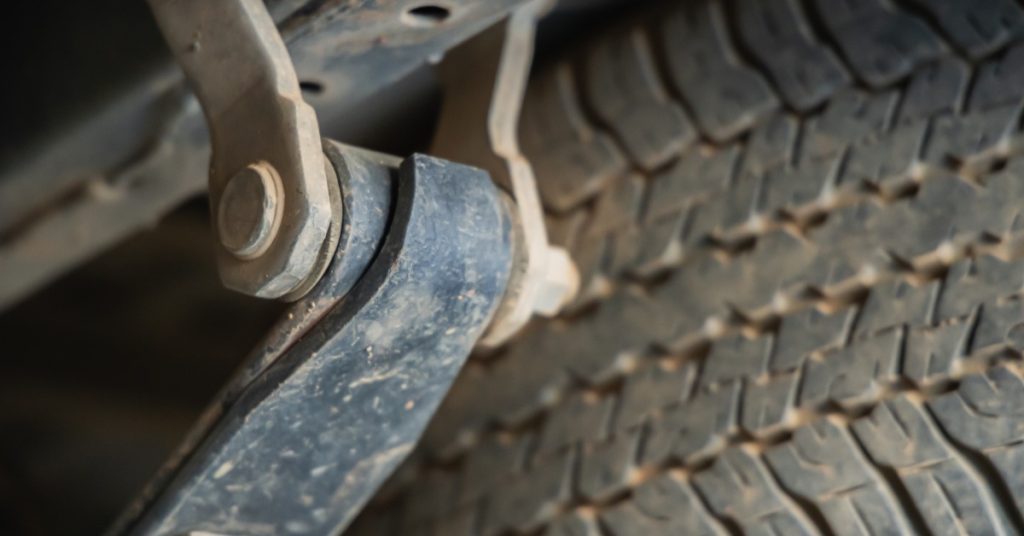
The suspension system keeps tires firmly connected to the road surface. Shocks and struts absorb impacts and stabilize the vehicle during movement. When these components function properly, they maintain even pressure across the tire tread. This balance prevents irregular wear patterns like cupping.
Worn suspension parts disrupt that balance and allow excessive movement. Tires begin to bounce instead of staying planted on the road. That bouncing creates uneven contact points that lead to cupping. Suspension issues often develop gradually, which makes early detection critical.
Several factors contribute to cupping wear, and most connect to suspension performance. Drivers often overlook these issues until visible damage appears on the tires. Identifying the cause helps prevent repeat problems after replacing tires. A thorough inspection usually reveals the root issue quickly.
Each of these factors affects how the tire interacts with the road. Addressing them promptly restores proper performance and prevents further damage.
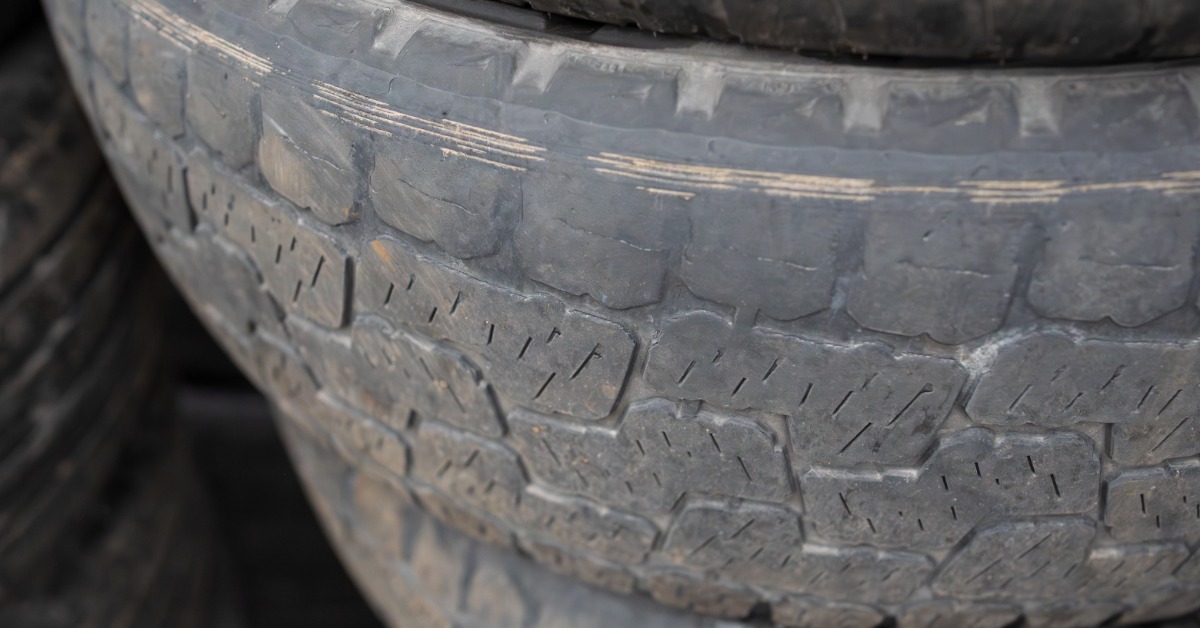
Drivers can spot cupping wear through both visual and physical signs. The tread will show uneven dips that look like scooped sections around the tire. Running a hand along the surface reveals a bumpy or wavy texture. These signs usually appear before performance issues become severe.
Noise and vibration often follow visible wear patterns. A rhythmic humming or droning sound may increase with speed. The steering wheel may also vibrate, especially on smooth roads. These symptoms indicate that the tires no longer maintain consistent road contact.
Cupping wear rarely occurs without an underlying mechanical issue. The suspension system plays a direct role in how evenly tires wear over time. When shocks or struts lose effectiveness, they fail to control tire movement. This lack of control allows the tire to bounce repeatedly against the road.
That repeated impact creates uneven wear in specific sections of the tread. Each bounce removes small amounts of rubber from the same areas. Over time, those areas become noticeably worn compared to the rest of the tire. This pattern clearly points to suspension components that need attention.
Ignoring cupping wear leads to more than just cosmetic tire damage. The uneven surface reduces traction and compromises handling. Drivers may experience longer stopping distances and reduced control in wet conditions. These risks increase as the wear pattern becomes more pronounced.
The problem also accelerates damage to other vehicle components. Suspension parts continue to degrade under increased stress. Tires wear out faster, which leads to more frequent replacements. Addressing the issue early saves money and improves overall safety.
Preventing cupping wear starts with regular vehicle maintenance and inspections. Drivers should monitor tire condition and address changes immediately. Routine checks help identify early signs before they become serious problems. Consistent maintenance keeps both tires and suspension in good condition.
Regular tire rotations play a key role in preventing uneven wear. Balanced tires ensure smooth and consistent rotation during driving. Proper alignment keeps weight distributed evenly across all four tires. These simple steps reduce the risk of cupping and extend tire life.
Drivers should seek professional help as soon as they notice signs of cupping. A trained technician can inspect both the tires and the suspension system. This inspection identifies worn components that require replacement or adjustment. Early intervention prevents further damage and restores proper performance.
A trusted tire shop can provide expert guidance and reliable service. Technicians understand how suspension issues affect tire wear and handling. They can recommend solutions that match both the vehicle and driving habits. Professional service ensures long-term results and improved safety.
RNR Tire Express offers comprehensive tire and suspension services for everyday drivers. Our team focuses on identifying issues quickly and providing practical solutions. From tire balancing to suspension inspections, every service aims to improve performance. You can receive clear explanations without unnecessary complexity from our experienced team.
Our tire shop in Lubbock offers quality brand-name tires and flexible payment options. This approach helps drivers address problems without delaying necessary repairs. Technicians prioritize safety, performance, and long-term value in every service. Drivers leave with confidence knowing their vehicle performs at its best.
Cupping wear serves as a clear warning that something in the suspension system needs attention. Ignoring the issue leads to reduced safety and poor handling. This, combined with the higher costs over time, leaves you and your vehicle at risk. Drivers who recognize the signs early can act before the problem worsens. Regular maintenance and professional inspections help tires wear evenly and perform reliably.
RNR Tire Express stands ready to help drivers maintain safe and dependable vehicles. The right combination of tire care and suspension maintenance ensures a smooth ride every time. Understanding tire wear patterns empowers drivers to make informed decisions. That knowledge leads to better performance, longer tire life, and greater confidence on the road.
By signing up you agree to our Privacy Policy.