Misc.
|
Jan 17, 2020
Off-road tires do much more than look aggressive. Their tread patterns shape how a vehicle grips dirt, clears mud, climbs over rocks, and stays controlled on loose surfaces. Many drivers focus on tire size first, but tread pattern plays an equally important role. The right pattern can improve traction, stability, and driver confidence. Below, we explain what you need to know about off-road tire tread patterns.
Tread pattern controls how the tire meets the ground. Every groove, block, and void in the tread affects how the tire bites into loose terrain and releases debris. On pavement, a tire needs steady contact and predictable handling. Off-road, that same tire must deal with mud, gravel, sand, ruts, wet grass, and uneven surfaces.
A tread pattern helps the tire find traction where the ground keeps changing. Deep grooves can channel mud away from the contact patch. Larger tread blocks can grip rough surfaces and support the vehicle on unstable ground. Wider spaces between blocks can help the tire clean itself instead of packing up with debris.
Before comparing different styles, it helps to know the basic features that make up a tread pattern. Tread blocks are the raised sections that contact the ground. Their shape and placement affect grip, stability, and braking response.
Voids are the open spaces between tread blocks. Bigger voids help the tire push out mud, dirt, and small rocks. This cleaning action matters because a packed tread loses traction quickly.
Sipes are thin slits cut into the tread blocks. They add extra biting edges and can improve grip on wet roads and some slick surfaces. Shoulder lugs sit along the outer edge of the tire and help with side traction, especially when the vehicle leans into ruts or climbs uneven terrain.
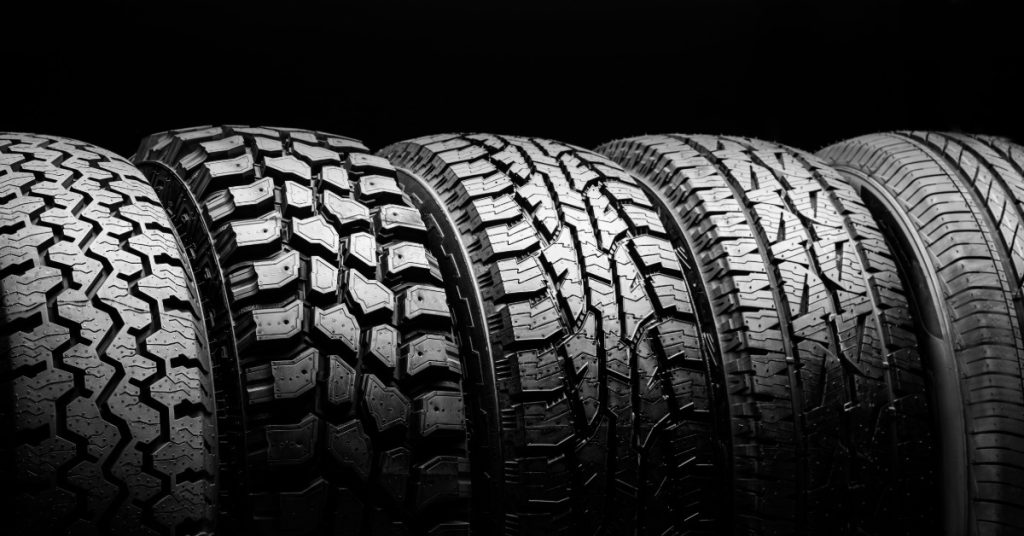
All-terrain tires (A/T tires) balance off-road capability with everyday road comfort. Their tread patterns typically feature medium-sized blocks, moderate void spacing, and a design that stays stable at highway speeds. Many drivers choose this type of tire because it delivers useful traction without giving up too much ride quality.
An all-terrain tread works well for drivers who split time between pavement and light to moderate off-road use. It can handle dirt roads, gravel, construction areas, light mud, and uneven ground without feeling too harsh during the daily commute. That makes it a practical choice for drivers who want versatility instead of a highly specialized setup. If your vehicle spends most of its time on the street but still needs to perform during hunting trips, camping weekends, or worksite travel, this tread pattern usually makes sense.
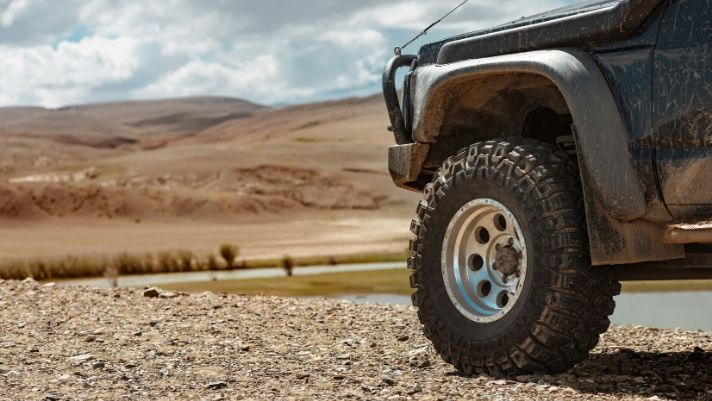
Mud-terrain tires (M/T tires) feature a much more aggressive tread design. They use larger tread blocks, deeper grooves, and wider voids to dig into soft surfaces and throw mud away from the tire. This pattern helps the tire keep finding traction in places where a less aggressive design would clog up and spin.
Mud-terrain patterns work best in deep mud, loose dirt, and challenging off-road conditions. They also tend to include stronger shoulder lugs for added grip on uneven ground. If a vehicle sees regular trail use, swampy areas, or rough backroads, this tread design can provide the extra bite needed to keep moving.
The tradeoff shows up on pavement. Mud-terrain tires usually create more road noise, a firmer ride, and faster wear than all-terrain options. They can still work for street-driven vehicles, but they make the most sense when off-road performance matters more than daily driving comfort.
Some off-road tires sit between all-terrain and mud-terrain designs. These hybrid tread patterns aim to deliver stronger off-road traction than a traditional A/T tire while preserving better road manners than a full M/T. You will usually see more aggressive shoulder blocks, wider voids, and a tougher appearance without the extreme feel of a mud-only tire.
Hybrid patterns appeal to drivers who want a more capable off-road tire but still rely on their vehicle for daily transportation. These tires fit trucks and SUVs that tow, travel jobsite roads, or spend weekends on trails but still need to stay manageable on the highway.
Another thing you need to know about off-road tire tread patterns is that not every tread performs the same in certain conditions. In mud, larger voids and aggressive block spacing matter because the tire needs room to release wet soil. A tire with tighter tread spacing can fill up quickly and lose traction. In loose dirt and gravel, the tire needs enough edge to bite while still staying stable under acceleration and braking.
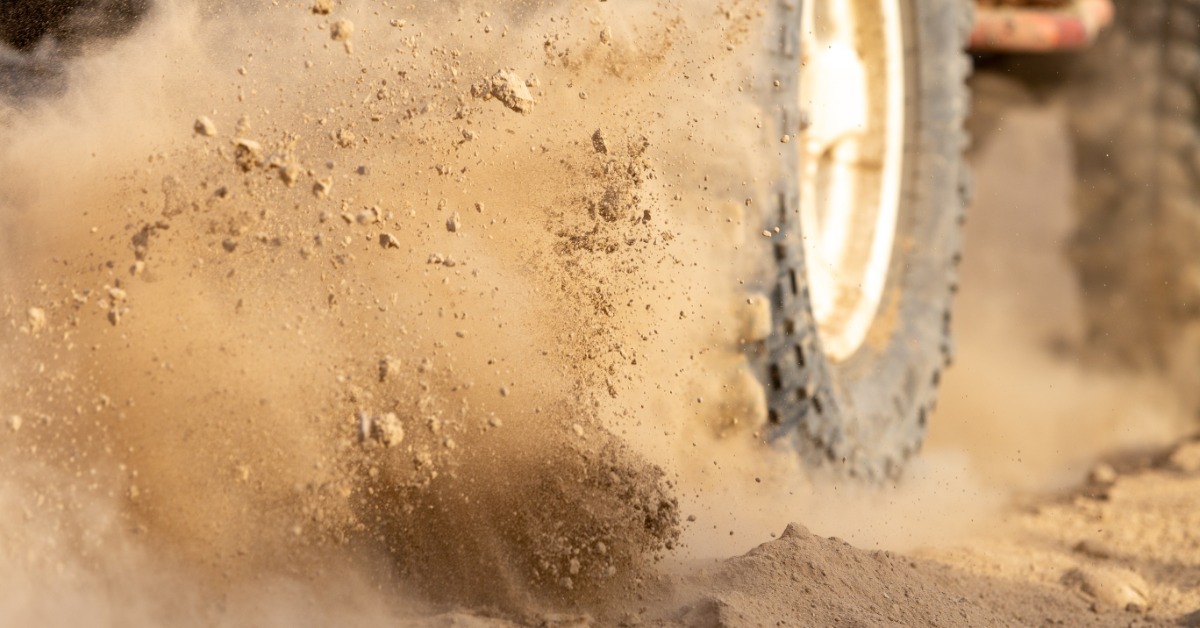
In sand, a very aggressive tread is not always the best answer. Tires need flotation and control more than deep digging. Some mud-focused tread patterns can dig down too quickly if the driver is not careful. In rocky terrain, stronger tread blocks and sidewall support help the tire conform to obstacles while resisting cuts and damage.
Wet pavement adds another layer to the decision. Because many off-road vehicles still spend time on the street, the tread must also handle rain safely. Patterns with better siping and a more balanced contact patch tend to feel more controlled in everyday driving conditions.
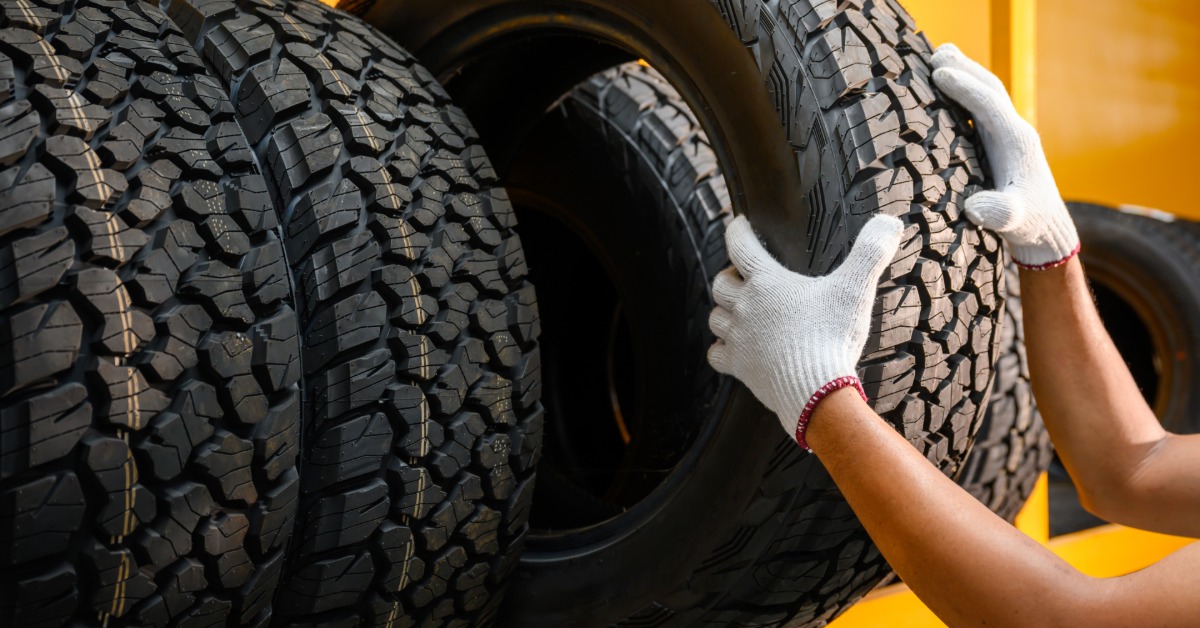
The best off-road tire is the one that matches your real driving habits, not just the one with the most aggressive look. Start by thinking about where your vehicle spends most of its time. If you mainly drive on paved roads and only head off-road now and then, an all-terrain tread usually gives you the best balance.
If your truck or SUV sees regular off-road use in muddy or rough conditions, a mud-terrain or hybrid pattern may be the better choice. If you tow, carry gear, or drive long distances on the highway, you also need to consider ride comfort, tread life, and noise.
Off-road performance comes with tradeoffs. As tread patterns get more aggressive, ride comfort and cabin noise usually change. Large tread blocks and wide voids can create a louder hum on the road. They can also make steering feel less precise than a highway-oriented tire.
That does not mean aggressive tread is a bad choice. It simply means you should know what to expect. A mud-terrain tire can deliver impressive off-road grip, but it may feel rough during everyday errands or long highway drives. An all-terrain tire generally stays quieter and smoother while still giving you more traction than a standard street tire.
Off-road tire tread patterns affect traction, handling, noise, comfort, and confidence behind the wheel. All-terrain patterns deliver balanced performance for mixed use. Mud-terrain patterns focus on maximum grip in rough conditions. Hybrid patterns offer a middle option for drivers who want stronger off-road ability without giving up as much on-road comfort.
If you are comparing off-road tires and want help finding the right fit for your vehicle, visit RNR Tire Express’s tire shop in Gulfport, MS! We’ll help you explore options and offer expert guidance on the tread pattern that matches your driving needs.
By signing up you agree to our Privacy Policy.