Misc.
|
Jan 17, 2020

A shaking car can get your attention fast. You may feel a vibration in the steering wheel, the seat, the brake pedal, or the entire vehicle. Sometimes the shaking starts at a stoplight. In other cases, it shows up when you speed up, brake, or drive at highway speeds.
That movement is not something to ignore. A car usually shakes because one part of the vehicle is no longer working the way it should. The problem may come from your tires, wheels, brakes, suspension, or engine. Below, we’ll list some of the possible reasons why your car is shaking and what you can do about it.
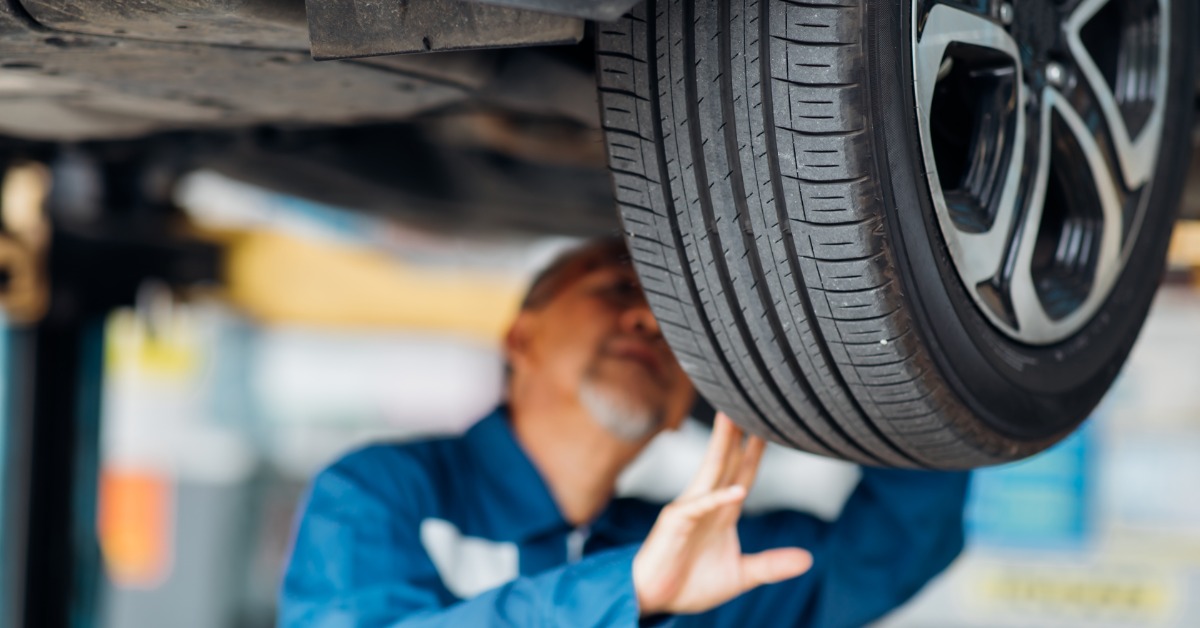
Uneven tire wear is one of the most common causes of vehicle vibration. When your tires wear down in an irregular pattern, they no longer make smooth, even contact with the road. That can cause shaking that grows stronger as your speed increases.
You may notice this problem more on the highway than on city streets. The steering wheel may vibrate, or the whole vehicle may feel rough and unsettled. Uneven wear can come from poor alignment, incorrect tire pressure, worn suspension parts, or skipped tire rotations. Replacing worn tires and correcting the root cause can restore a smoother ride.
Tire balance plays a major role in ride quality. Each tire and wheel assembly needs even weight distribution as it spins. If one section becomes heavier than another, the tire can wobble at speed and create a noticeable shake.
This issue usually shows up at certain speeds, especially on the highway. You might feel the vibration in the steering wheel, the floorboard, or the seat. In many cases, the shaking starts around a specific speed range and then changes as you go faster or slower. A tire shop can rebalance the tires and check for missing wheel weights.
A bent wheel can cause your car to shake even if the tire itself looks fine. Hitting a pothole, curb, or road debris can damage the rim and throw off the way the wheel turns. When that happens, the vehicle may vibrate at low speed, high speed, or both.
You may also notice air loss if the damage affects the seal between the tire and wheel. Some bent wheels are easy to spot, while others require a closer inspection. Even a small bend can affect ride quality. If you notice such damage, replace the wheel immediately.

Wheel alignment affects how your tires meet the road and how your car tracks down the lane. When the alignment is off, your tires may pull in different directions. That can create vibration, uneven tread wear, and a steering wheel that feels off-center.
You might also notice that your car drifts to one side when you try to drive straight. Alignment problems can develop after hitting potholes, driving over rough surfaces, or replacing suspension components. An alignment service helps your vehicle drive straighter, feel more stable, and respond better when you turn.
The braking system is another possible reason why your car is shaking. If your vehicle shakes when you brake, warped brake rotors are a likely culprit. Your car’s brake pads cannot grip the brake rotor surface if it becomes uneven, which can create a pulsing or shaking feeling during stops.
The vibration may show up in the steering wheel, brake pedal, or front end of the vehicle. In some cases, worn brake pads or sticking calipers can also contribute to the problem. Brake issues affect stopping performance, so it is smart to have them inspected as soon as possible.
Your suspension system helps plant the tires on the road and absorb bumps from the surface below you. If parts like shocks, struts, ball joints, or bushings wear out, your vehicle can start to shake or bounce more than it should.
Suspension-related shaking may feel worse on rough roads, during turns, or when driving over dips and bumps. A full inspection can reveal whether the problem comes from a single component or a larger wear issue.
Wheel bearings allow your wheels to spin smoothly with minimal friction. When a bearing wears down or becomes loose, the wheel may no longer rotate the way it should. That can create shaking, humming, or grinding sounds that grow louder as speed increases.
This type of problem can feel subtle at first. Then it can progress into a more noticeable vibration in the steering wheel or the body of the vehicle. Because wheel bearings support the wheel itself, this is not a repair to delay. Catching the issue early can help prevent more serious damage.
Not every shaking issue comes from the tires or chassis. Sometimes the source is under the hood. If your car shakes while idling, struggles during acceleration, or feels rough at stoplights, the engine may be misfiring or running unevenly.
Common causes include worn spark plugs, ignition coil problems, dirty fuel injectors, or air and fuel delivery issues. A loose motor mount can also make engine vibration more noticeable inside the cabin. A diagnostic inspection can help pinpoint the cause before it gets worse.
Your vehicle’s axle and driveshaft help transfer power from the engine to the wheels. Just one compromised part can make your car shake as you accelerate. This problem can happen after a collision, impact, or severe road hazard.
A worn CV joint can cause similar symptoms, especially in front-wheel-drive vehicles. You may hear clicking during turns or feel a vibration that gets stronger under load. A technician can inspect the driveline and confirm whether the issue lies in the axle, joint, or shaft.
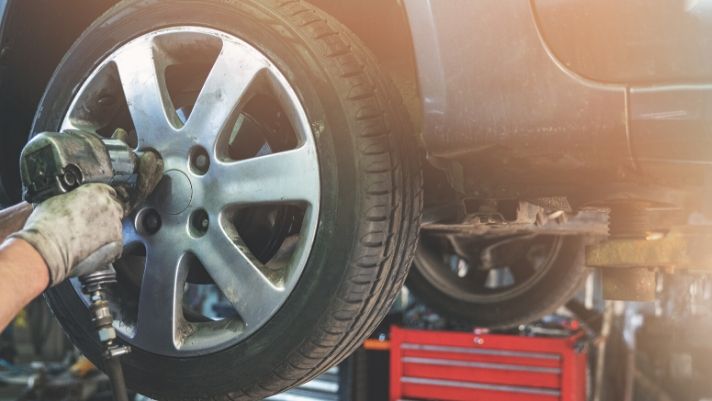
Loose lug nuts are a serious safety issue and a possible cause of vehicle shaking. If the lug nuts do not hold the wheel tightly against the hub, the wheel can wobble as you drive. That wobble can create a strong vibration and place you at risk for wheel failure.
This problem may happen after a recent tire installation or wheel service if the lug nuts are not sufficiently tight. In some cases, drivers notice the vehicle shaking more over a short period of time. If you suspect loose lug nuts, do not keep driving until you check and tighten them to the correct specification.
Car shaking can come from several sources, but the message is the same: your vehicle needs attention. Tires, wheels, brakes, suspension parts, engine components, and driveline parts all play a role in how smoothly your car drives. When one of them fails, you can usually feel it.
If you’ve got tire or wheel problems that are causing your vehicle to shake, RNR Tire Express can help you find new wheels and tires in Dothan, AL, for your car. Book an appointment online or contact our staff with tire-related questions today!
By signing up you agree to our Privacy Policy.