Misc.
|
Jan 17, 2020
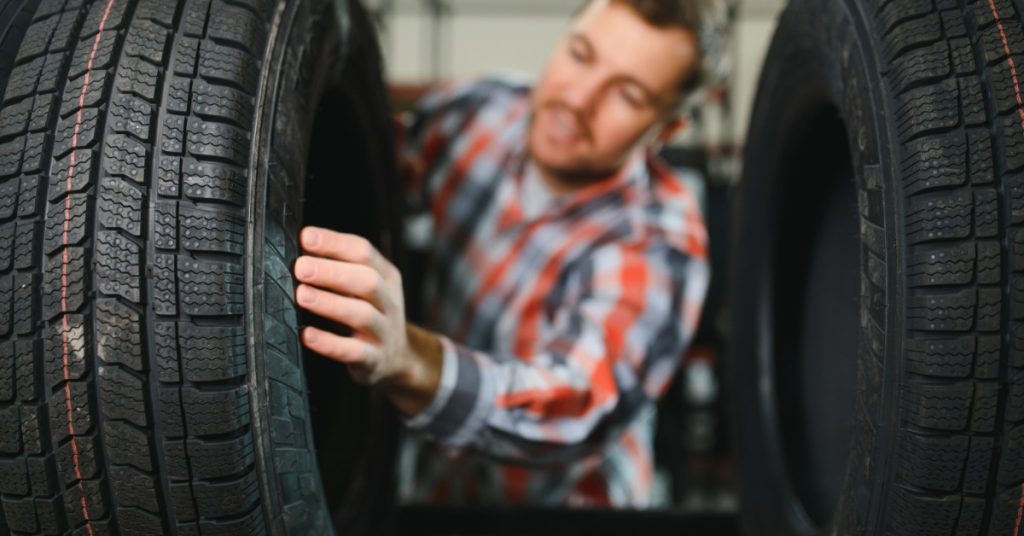
A tire replacement can feel simple until one tire fails before the rest. Maybe a nail punctures the sidewall, a pothole damages the shoulder, or one tire wears faster than the others. At that point, many drivers wonder if they can mix different tire brands on the same car.
The short answer is yes, in some situations, but it is not the best choice for every vehicle. Tires affect braking, steering, traction, ride comfort, fuel efficiency, and stability. When the tires do not match, your car may still move, but it may not respond as predictably when the road gets wet, rough, or crowded.
Your tires are the only parts of your vehicle that touch the road. Each one handles a share of the vehicle’s weight, steering force, braking force, and cornering grip. When all four tires match, they tend to react in a more balanced way because they share the same size, tread design, rubber compound, load rating, and performance design.
Different brands can use different tread shapes, sidewall stiffness, rubber formulas, and internal construction. Those differences may seem small when you look at the tire, but they can change how the tire grips the road. A tire with a firm sidewall may respond faster than a softer tire, and a deep all-season tread may channel water differently than a sportier pattern.
You can mix different tire brands on the same car when the replacement tires meet the correct size, load index, speed rating, tire type, and construction requirements for your vehicle. However, matching all four tires remains the safest and most predictable option.
If you need to mix brands, avoid placing two different tires on the same axle. The left and right tires on the front axle should match each other, and the left and right tires on the rear axle should also match. A matched pair on each axle helps your car stay more balanced during turns, sudden stops, and wet-weather driving.
The tires on the same axle work as a pair. If one tire grips more than the other, the vehicle can pull to one side, feel unstable while braking, or react unevenly during a lane change. Matching the tires across each axle reduces these issues and gives the vehicle a more consistent contact patch.

Two tires can share the same printed size and still behave differently. One brand may design a tire for quiet highway comfort, while another may design the same size for sharper handling. Another brand may focus on long tread life, while a competing tire may prioritize wet traction.
Tread pattern plays a major role. Wide grooves may help move water away from the tire, while dense siping can improve grip in light winter conditions. Rubber compound also matters because softer compounds may grip well but wear faster, while harder compounds may last longer but feel less responsive.
You should not mix tire types unless you have no safe alternative in an emergency. All-season, summer, winter, touring, performance, and all-terrain tires all serve different purposes. Mixing tire types can create traction differences that show up when you brake, accelerate, or turn.
Winter tires deserve extra caution. Putting winter tires on only one axle can create a major traction imbalance because one end of the car grips differently than the other. If you use winter tires, install a full set of four so that the vehicle responds evenly in cold weather, slush, and snow.
Mixing a new tire with three worn tires can create problems even when the brand matches. A new tire has deeper tread and a larger rolling diameter than a worn tire. That difference can affect traction, braking distance, steering response, and drivetrain behavior.
If one tire suffers damage, the best replacement choice depends on how much tread remains on the other tires. A tire professional can measure tread depth and compare it with the new tire. If the remaining tires still have strong tread and match closely, replacing one tire may work on some vehicles, but replacing two or four may make more sense when the wear gap becomes too large.
All-wheel-drive and four-wheel-drive vehicles need special attention when replacing tires. These systems rely on tires that rotate at similar speeds. If one tire has a different rolling diameter because it has more tread, less tread, or a different construction, the drivetrain may work harder than it should.
Some AWD vehicles require all four tires to match closely in tread depth, size, and type. Before replacing only one or two tires on an AWD or 4WD vehicle, check the owner’s manual and ask a tire professional to confirm the safest choice.
Mixing tire brands becomes more acceptable when you replace tires in pairs and match tires on the same axle. For example, you may install one brand on the front axle and another brand on the rear axle if both pairs meet the vehicle’s size, load, speed, and tire type requirements. This setup won’t deliver the same consistency as four matching tires, but it can work better than four unrelated tires.
You should avoid mixing brands when the tires have different sizes, speed ratings, load indexes, construction types, or tread depths. You should also avoid mixing a winter tire with an all-season tire, a performance tire with a touring tire, or a damaged tire with any replacement that does not meet the vehicle’s specifications.
Do not guess which tire will be appropriate based on appearance alone. Tire sidewalls include important information, but the full fitment decision also depends on the vehicle, axle position, tread depth, and driving conditions. A trained tire professional can compare the options and explain what makes sense before you spend money on a replacement.
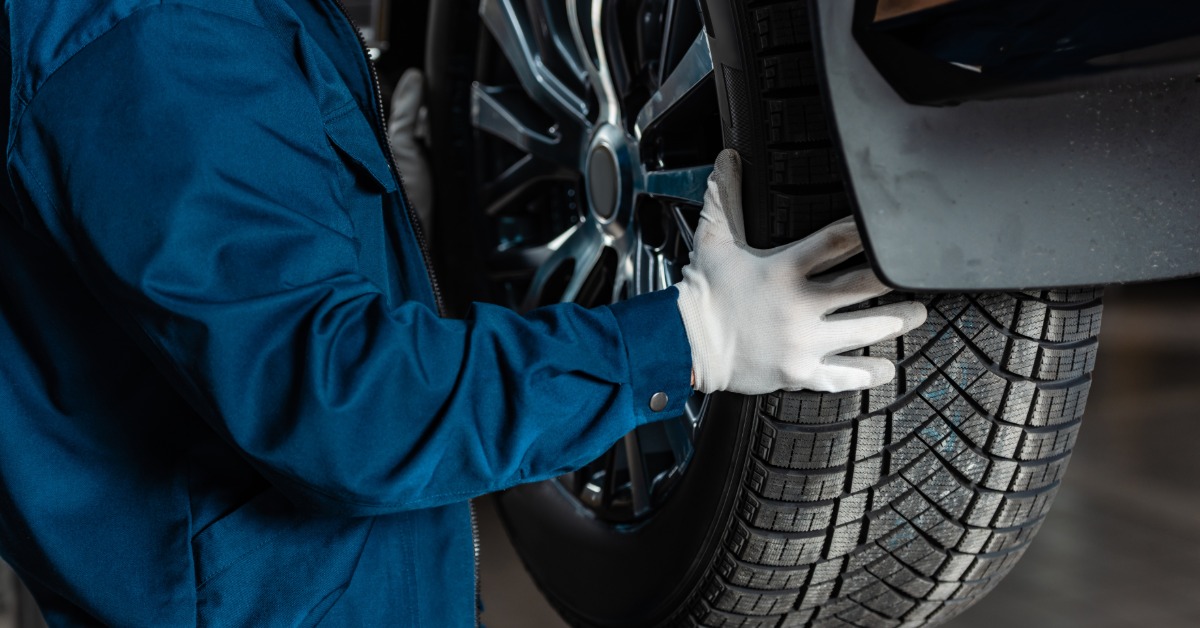
A tire professional can look at more than the brand name. They can verify tire size, load index, speed rating, tread depth, tread pattern, and whether the tire fits your vehicle’s needs. They can also inspect the remaining tires for uneven wear, sidewall damage, age, and alignment-related issues.
This matters because the damaged tire may not be the only problem. If one tire wore out early, the vehicle may have an alignment issue, improper inflation, worn suspension parts, or rotation habits that need attention.
Mixing tire brands is possible but is typically not the best option. Matching tires helps your vehicle brake, steer, and handle with more predictable control, especially during wet weather or sudden maneuvers. If you must mix brands, keep each axle matched, stay within the correct specifications, and pay extra attention if you drive an AWD or 4WD vehicle.
For help choosing safe tires in Laurel, visit RNR Tire Express! Our extensive inventory includes every brand, and our tire experts can help you find the right fit for your vehicle and budget.
By signing up you agree to our Privacy Policy.