Misc.
|
Jan 17, 2020
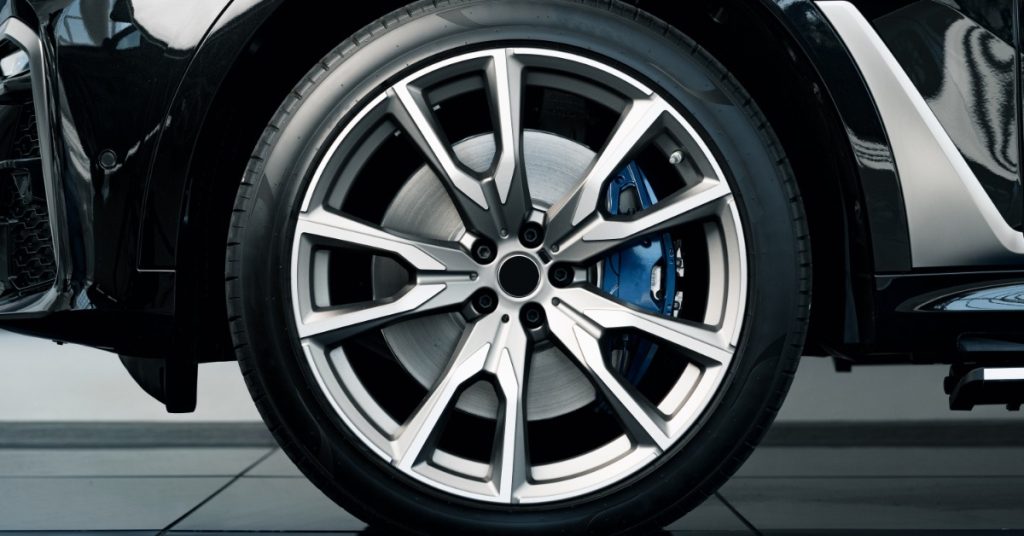
A new set of wheels should make your vehicle look sharper the second they hit the pavement, not leave you second-guessing the fit. The right measurements separate a clean upgrade from an expensive headache, and this guide to measuring your wheel offset starts with the details that matter before you buy. Once you know what to check, shopping for wheels gets a lot less risky and a lot more exciting.
Wheel offset is the distance between the wheel’s mounting surface and its centerline. To find the mounting surface, look for the flat area that sits against the hub when the wheel is installed. The centerline is the middle of the wheel’s full width from inner lip to outer lip.
Offset comes in positive, negative, or zero measurements. Positive offset means the mounting surface sits closer to the street-facing side of the wheel, which pulls the wheel farther inward. A negative offset shifts the mounting pad toward the inside of the wheel, causing it to extend outward. With zero offset, the mounting surface is positioned directly at the wheel’s centerline.
Before you start measuring, gather everything you’ll need so the process goes smoothly and your results stay accurate:
Place the removed wheel face down so the inner barrel faces up. Before measuring, make sure the wheel sits steady and the straightedge lies flat across the rim edges. Dirt or a bent lip could throw off the reading, so clean the measuring area first.
Measuring offset means finding two numbers and comparing them. You need the wheel’s centerline and its backspacing. Once you have both, the offset is calculated by subtracting the backspacing from the centerline.
Measure the wheel from the outermost lip on one side to the outermost lip on the other side. This number is not always the same as the advertised wheel width. A wheel sold as 9 inches wide might measure closer to 10 inches from lip to lip.
Use the actual lip-to-lip measurement for this process. Offset depends on the full physical width.
Divide the total wheel width by two. That result is the centerline measurement. If your wheel measures 10 inches lip-to-lip, the centerline is 5 inches.
Think of the centerline as the wheel’s balance point from side to side. It does not move based on the bolt pattern or the spoke design.
Lay the straightedge across the back of the wheel, resting it on the inner rim lips. Measure from the mounting surface up to the bottom of the straightedge. Keep the tape measure vertical so that the number does not drift.
That distance is the backspacing. It indicates the clearance between the hub mounting surface and the inner edge of the wheel.
Subtract the centerline measurement from the backspacing measurement. If backspacing is 6 inches and the centerline is 5 inches, the offset is 1 inch positive. Convert inches to millimeters by multiplying by 25.4, since wheel offset is usually listed in millimeters.
If the result is positive, the wheel sits inward relative to the center. A result near zero means the mounting surface is close to the wheel’s centerline.
Measure twice before trusting the calculation. Recheck the total width, then repeat the backspacing measurement from the same straightedge position. A slight tilt of the straightedge yields a different answer.
Round only at the end of the process. Converting too early makes the math less precise. If your final number does not resemble a common offset size, inspect the wheel again for a bent edge.
Offset changes the space around the wheel. Too much positive offset pulls the tire closer to suspension components and the inner fender. Too much negative offset pushes the wheel outward, which might contact the fender edge when the vehicle turns or moves over dips.
Fitment is more than appearance. The wrong offset places extra stress on wheel bearings and changes how the tire tracks on the road. If the wheel sticks out too far, steering might grow heavier, and the vehicle might follow grooves in the pavement.
A careful choice of fitment keeps the tire away from parts that flex or heat up. The most important concern is safe clearance through the full range of steering and suspension travel.
The right offset starts with the vehicle’s factory range. Automakers design wheel position around steering geometry, brake clearance, and body shape. Aftermarket wheels should work with those limits instead of fighting them.
Style preferences still play a role in your decision. Some drivers want a tucked factory look, and others want a wider stance. The best choice balances that look with safe tire clearance and predictable road behavior.
Before ordering wheels, compare your current offset with the new wheel’s width and backspacing. A wider wheel with the same offset will not sit the same way as the original. For local help with sizing, fitment, and payment options, visit RNR Tire Express when you need a tire shop in Mobile, AL that understands everyday drivers and aftermarket wheel setups.
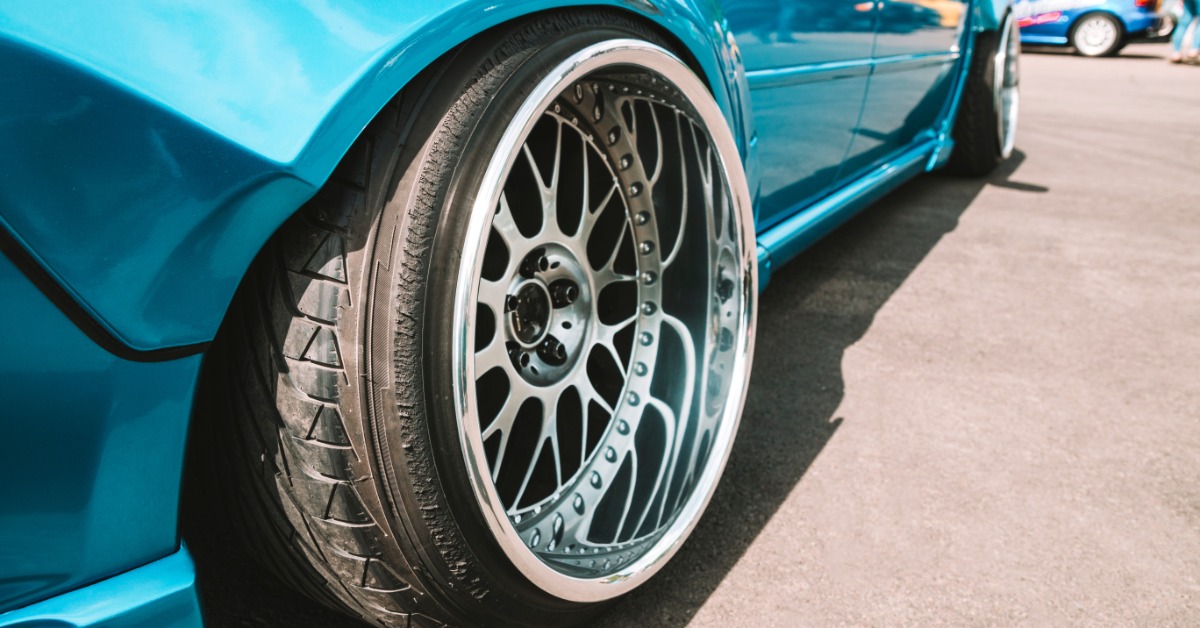
One common myth is that a lower offset always means a better stance. It might create a wider look, but that does not mean it fits the vehicle correctly. A wheel that sits too far outward could rub under load or sling road debris against the body.
Another myth says wheel spacers solve every offset issue. Spacers change the effective offset, but they add another fitment consideration. The setup still needs proper hub engagement and lug nut seating.
Some drivers think offset only applies to modified vehicles. Factory-replacement wheels still need the right offset because stock suspension parts leave limited clearance. Even a basic wheel swap deserves careful measurement before installation.

Do not rely on a home measurement when the wheel is damaged, heavily repaired, or visibly bent. A distorted lip changes the readings and hides the true fitment. Get professional help when changing wheel diameter or tire size at the same time. Those changes interact with offset and affect clearance in different ways. Guessing through all of them increases the risk of buying a setup that looks right online but creates problems with the vehicle.
Professional fitment help is worth it when safety or drivability is uncertain. RNR Tire Express works with drivers to dial in setups that complement their vehicle’s style and performance goals without cutting corners. A guide to measuring your wheel offset gives you a stronger starting point, but the final choice should leave your vehicle looking sharp and driving the way it should.
By signing up you agree to our Privacy Policy.