Misc.
|
Jan 17, 2020
A squeaky-clean vehicle can lose some of its shine when dark dust coats the wheels. That powdery residue comes largely from the brakes, and it can collect fast. If left in place, it may cling to the finish and become harder to remove.
Fortunately, you can keep your wheels attractive without a major project. Protecting your car’s wheels from brake dust buildup starts with regular care, safe products, and a few practical habits.
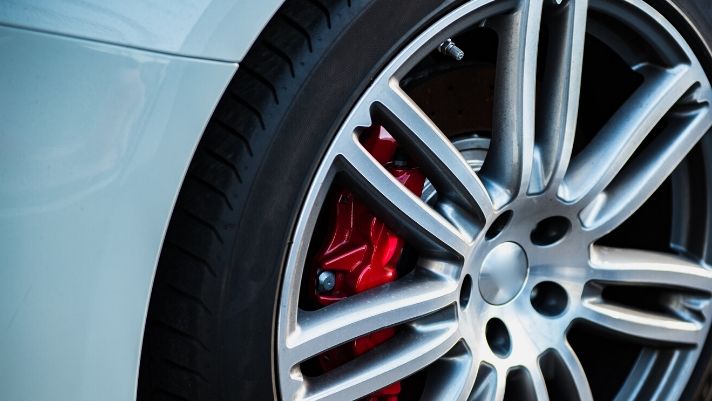
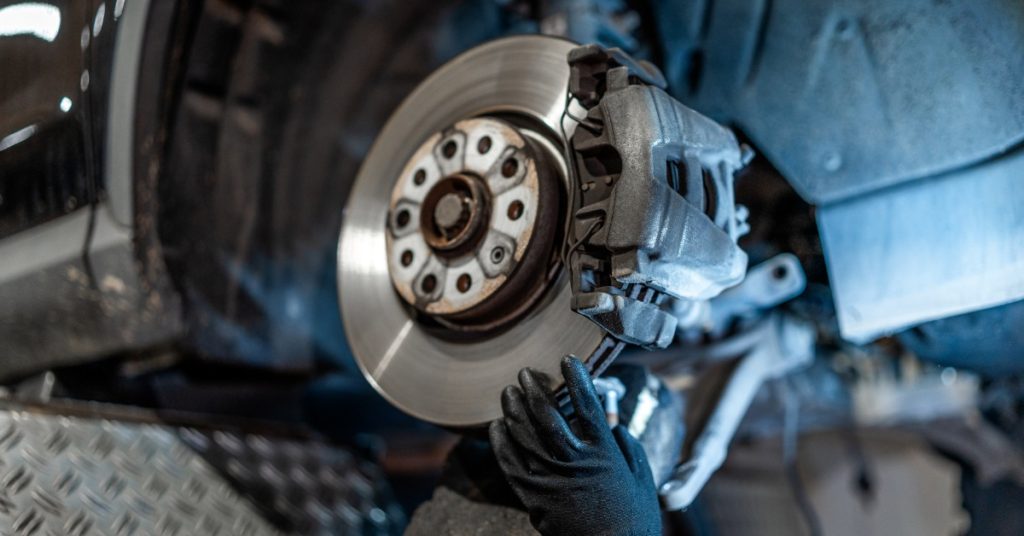
Each time you brake, the pads press against the rotors to slow your vehicle. Friction gradually wears down these parts and releases tiny particles. Some particles settle on the wheel face, around the spokes, or inside the barrel. The mixture can include metallic debris and material from the brake pads.
Stop-and-go traffic requires frequent brake use, so city driving may leave more visible residue than steady highway travel. Brake pad materials also affect the amount and appearance of dust. A wheel with narrow spaces between spokes can trap debris in areas that a quick rinse won’t reach.
Dark deposits aren’t automatically evidence of a mechanical problem. Still, a sudden increase in dust on one wheel, alongside unusual braking behavior, deserves an inspection by a qualified technician.
The simplest and most effective way to protect your vehicle’s wheels from brake dust buildup is by washing them regularly. Consistent cleanings prevent fresh debris from accumulating into thicker layers.
Check the wheels each week, then adjust your wash routine to match your driving conditions. A weekly or biweekly cleaning may work for many drivers, depending on your use.
Drivers near Florida’s coast should also consider moisture and salt deposits. Coastal exposure adds contaminants that can affect compromised finishes. After coastal exposure, rinse the wheels with fresh water rather than allowing the residue to sit.
Brake components can become hot after a drive. Applying chemicals to hot surfaces may cause a cleaner to dry too quickly, potentially damaging the finish. Park in the shade and let the wheels cool before you begin.
If you visit a Pensacola tire shop to explore replacement wheels, ask which cleaning methods suit the finish you choose. Polished, painted, and specialty-coated surfaces don’t necessarily share the same care requirements.
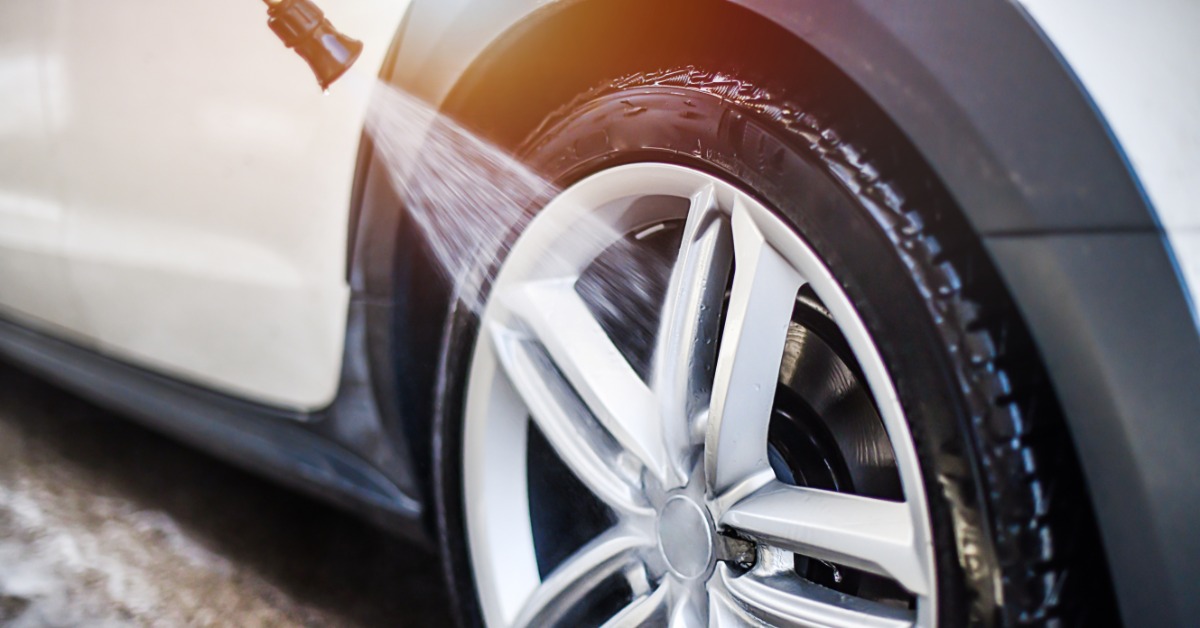
A powerful cleaner isn’t always the right cleaner. Some acidic or highly alkaline formulas can harm sensitive wheel surfaces if the product isn’t suitable for that finish. Household abrasives may scratch clear coats or polished metal.
Read the wheel manufacturer’s care instructions before selecting a product. A compatible wheel-specific cleaner, including a suitable pH-neutral option, can remove ordinary brake residue without aggressive scrubbing. Follow the label’s dilution instructions and contact time.
Soft microfiber towels and wheel brushes let you clean around lug recesses and narrow spokes. Avoid steel wool, metal brushes, and rough pads. Even a fine scratch can stand out on a glossy surface.
Keep wheel-cleaning tools separate from the mitt you use on painted body panels. Before each wash, inspect the brush for grit, and replace worn accessories rather than risking marks on a finish you want to preserve. Brake particles in a brush or towel can scratch other surfaces if you move the same tool around the vehicle.
A consistent method reduces the temptation to scrub stubborn areas too hard. Work on one wheel at a time.
Don’t spray cleaning chemicals onto hot brake components. Avoid forcing a brush into tight spaces near brake hardware, too. If residue remains inside hard-to-reach areas, a detailer can address it with suitable equipment.
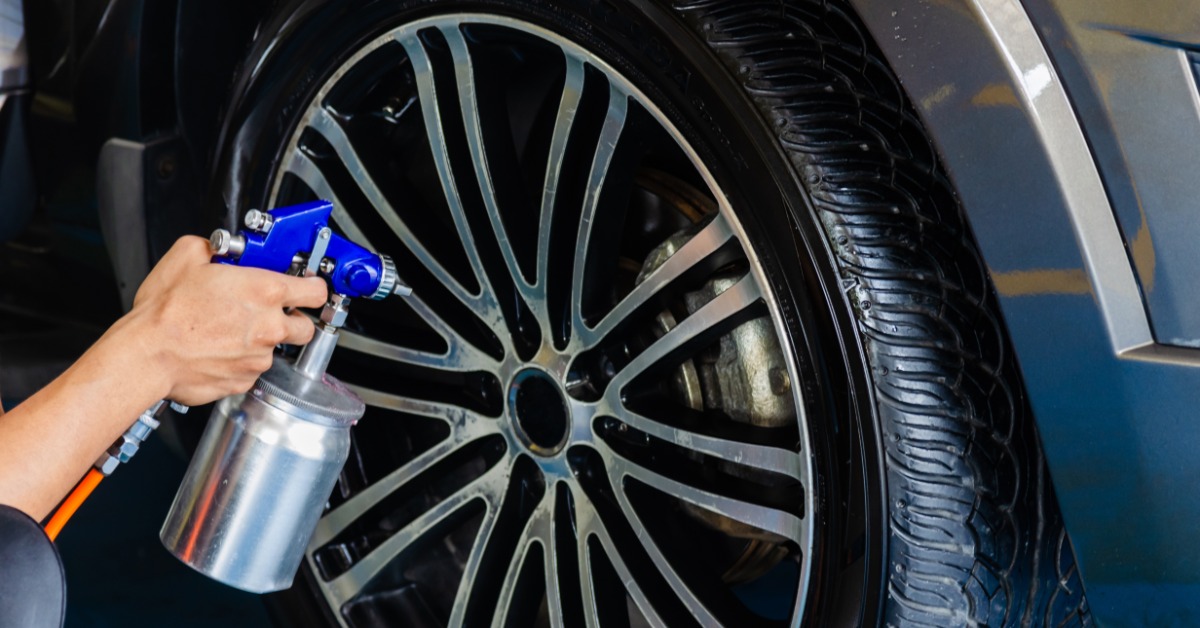
Clean wheels provide a good starting point for a compatible protective product. Wheel sealants create a barrier that can make dust less stubborn during later washes. Some ceramic coatings provide longer-lasting protection, although their durability depends on preparation, product quality, and care.
Neither a sealant nor a ceramic coating stops brake dust from forming. Brakes will continue to release particles whenever friction materials wear. The benefit comes from easier removal and, with suitable products, added resistance to environmental contamination.
Choose a product suitable for your finish. Matte wheels, for example, may require different products than glossy clear-coated wheels. Follow application instructions closely. Applying more product won’t necessarily improve protection.
If you’re unsure about the finish or installation process, seek advice from a reputable automotive detailer.
Cleaning treats the residue already on your wheels. The amount that appears between washes also depends on brake components and how you drive. Certain ceramic brake pads can produce less visible dust than some other formulations, but performance varies by vehicle and product.
Don’t choose replacement brake pads solely for a cleaner appearance. A qualified technician should help you select parts that meet the vehicle manufacturer’s requirements and provide appropriate braking performance.
Leave adequate space ahead and respond early to traffic changes. Gradual deceleration where conditions permit can reduce repeated abrupt stops. It may also limit unnecessary wear.
Never coast unsafely or delay braking to avoid dust. Safe control of the vehicle matters more than a spotless wheel. If one wheel collects much more debris than the others or its brake feels unusually hot, have a professional check the system rather than trying to solve the issue with cleaner.
Brake dust isn’t the only threat to a wheel’s appearance. Road grit, moisture, and chips in a protective finish can leave metal vulnerable to corrosion. Take a close look after washing.
Check around spoke edges and lug openings for discoloration, peeling clear coat, or surface damage. Don’t scrape away stubborn marks with sharp tools. A wheel repair specialist can advise on suitable treatment for a deteriorated finish.
Include the inner barrel in periodic inspections when you can see it safely. Dust can remain there. Consistent routine attention helps you catch contamination before it becomes a more demanding detailing job.
Keeping your wheels clean of brake dust doesn’t depend on one miracle product. Regular rinses, finish-safe cleaners, gentle tools, and suitable coatings all help keep residue manageable. Sensible driving habits and timely brake inspections support that routine without compromising safety.
If your wheels have lost their appeal or you’re considering a different style, visit RNR Tire Express to explore available custom wheel and tire packages. Contact our local team for help finding options that fit your vehicle and preferences.
By signing up you agree to our Privacy Policy.