Misc.
|
Jan 17, 2020

A smooth drive shouldn’t leave your hands trembling on the steering wheel or your seat buzzing beneath you. When vibrations appear, they may start as a mild annoyance and become more noticeable at certain speeds. Understanding the common causes of wheel vibration problems can help you describe the symptoms accurately and seek the right service before additional damage develops.
A vibration is more than an uncomfortable sensation. Frequent shaking can place extra stress on tires and suspension components, and some underlying problems can affect vehicle control. The speed at which you notice it, the location of the shake, and recent road impacts all offer useful clues.
Notice whether the vibration begins during highway travel, appears after a pothole, or develops only when you apply the brakes. A steering wheel that shakes may point toward the front wheel assemblies, but vibrations can travel throughout the vehicle. A sensation through the floor or seat may involve a rear wheel assembly.
Uneven weight distribution across a tire and wheel assembly ranks among the most common causes of wheel vibration problems. As the assembly rotates faster, even a small imbalance can create a noticeable shake. Drivers may feel it most clearly during highway travel, then notice less movement at lower speeds.
A technician uses balancing equipment to identify differences in weight distribution and places small weights on the wheel to compensate. If a balancing weight falls off or a technician is remounting a tire, the assembly may need another balance check. If the shake remains afterward, further inspection can reveal other contributing problems.
Potholes, raised pavement edges, and curb strikes can bend a rim or damage a wheel. Even when the damage looks minor, the wheel may no longer rotate in a consistent circle. That irregular motion can create a vibration, especially as vehicle speed increases.
A technician can inspect wheel movement as it rotates and look for other signs of impact damage. Some wheels may be repairable after an appropriate evaluation, but others require replacement. If you notice a sudden shake after a hard impact, schedule an appointment for a professional to check the tire and wheel promptly.
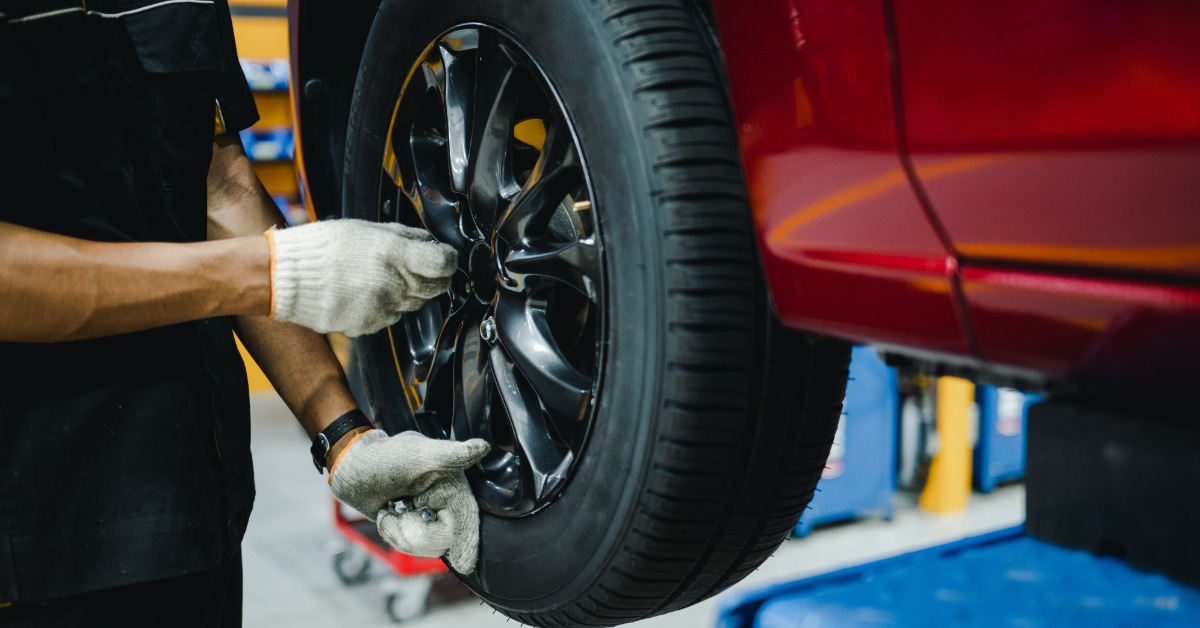
A tire doesn’t need a visibly bent rim to cause vibration. Uneven tread wear changes the way rubber contacts the road, creating a repeating thump or rough sensation. Tire cupping, which forms a scalloped pattern across the tread, may develop alongside imbalance or worn suspension components.
Road impacts can damage a tire beneath the surface, and a bulge in the sidewall can signal structural trouble. Don’t continue driving on a tire with a visible bulge or suspected serious damage. Arrange safe professional assistance and replacement when necessary. Balancing alone cannot correct a tire that has lost its structural integrity.
Wheel alignment controls the angles at which tires meet the road. Incorrect alignment usually shows itself through pulling, an off-center steering wheel, or uneven tread wear rather than vibration alone. Over time, that uneven wear can contribute to a rough ride.
Shocks, struts, bushings, and other suspension components help control wheel movement. When these parts wear, a vehicle may bounce excessively or develop uneven tire wear. Loose steering or suspension parts may also cause shaking and reduce handling precision. A technician should inspect the components before recommending alignment adjustments or new tires.
If the steering wheel or brake pedal pulses mainly when you slow down, the braking system deserves attention. Variations in brake rotor thickness or uneven friction at the rotor surface can cause pulsation during braking. Unlike a wheel imbalance, a brake-related problem can remain difficult to detect during steady cruising.
A vibration accompanied by grinding, reduced braking response, or an unusual pedal sensation calls for prompt attention. Brake problems demand a proper inspection rather than a guess based on the steering wheel alone. If braking performance deteriorates, stop driving and arrange safe assistance.
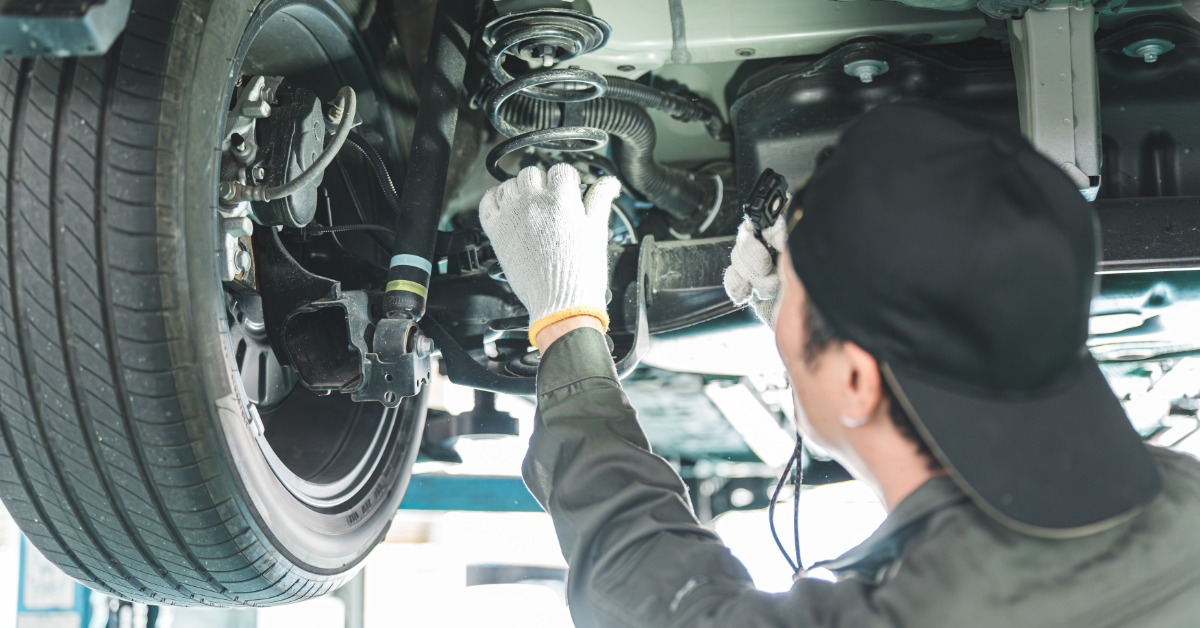
Wheel nuts must hold the wheel securely against the hub at the vehicle manufacturer’s specified torque. Incorrect installation, damaged mounting surfaces, or incompatible wheel components can prevent the assembly from seating correctly. The resulting movement may create vibration and, in serious cases, a dangerous loss of wheel attachment.
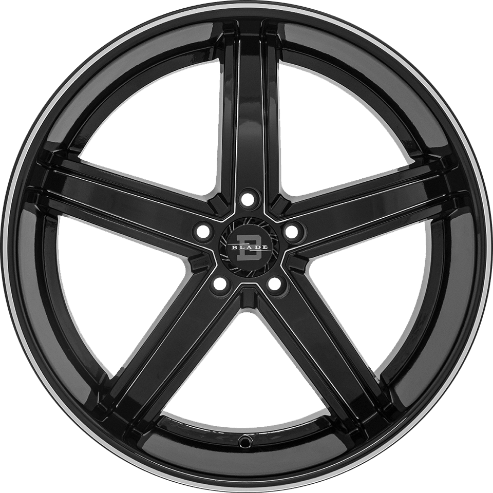
Aftermarket wheels must match the vehicle’s fitment requirements, including bolt pattern, hub fit, clearance, and approved hardware. A wheel that doesn’t center correctly on the hub may vibrate even when the tire has been balanced. RNR Tire Express’s tire shop in Mobile, AL, can help you design and select custom wheels for your car and provide a fitment check after installation to verify their security.
The best next step depends on how severe the problem feels. For a mild shake without other warning signs, reduce speed safely and arrange an inspection soon. If vibration starts abruptly, becomes severe, or follows a major road impact, pull over in a safe location and seek assistance.
Before your visit, make a note of a few observations related to:
These observations help narrow the inspection, but they aren’t substitutes for checking the vehicle. Technicians may evaluate tire condition, wheel balance, wheel runout, brake components, and suspension wear.
Regular tire care gives you a better chance of identifying trouble before the ride becomes uncomfortable. Check pressure when the tires are cold, using the specification on the vehicle’s tire placard. Inspect tread for unusual wear, and follow the vehicle manufacturer’s maintenance guidance for tire rotation. After a substantial pothole or curb impact, watch for new vibrations or steering changes.
Keep your maintenance records handy, especially after tire replacements or wheel repairs. They can help a technician identify the first appearance of the symptom. Avoid postponing an inspection just because the vibration disappears at lower speeds.
A slight highway shake shouldn’t become part of your normal driving experience. Tire wear can progress if you don’t resolve the underlying problem, and component damage may become more expensive to address. Timely checks can help preserve ride comfort and tire life.
Wheel vibration can come from a simple balance issue or a more serious tire, brake, or suspension problem. Paying attention to when the shake happens helps a professional identify the right place to start. If your vehicle develops a vibration, visit RNR Tire Express to discuss a tire and wheel inspection and the appropriate next steps. Act before that small shake interferes with your next drive.
By signing up you agree to our Privacy Policy.