Maintenance
|
Feb 24, 2026
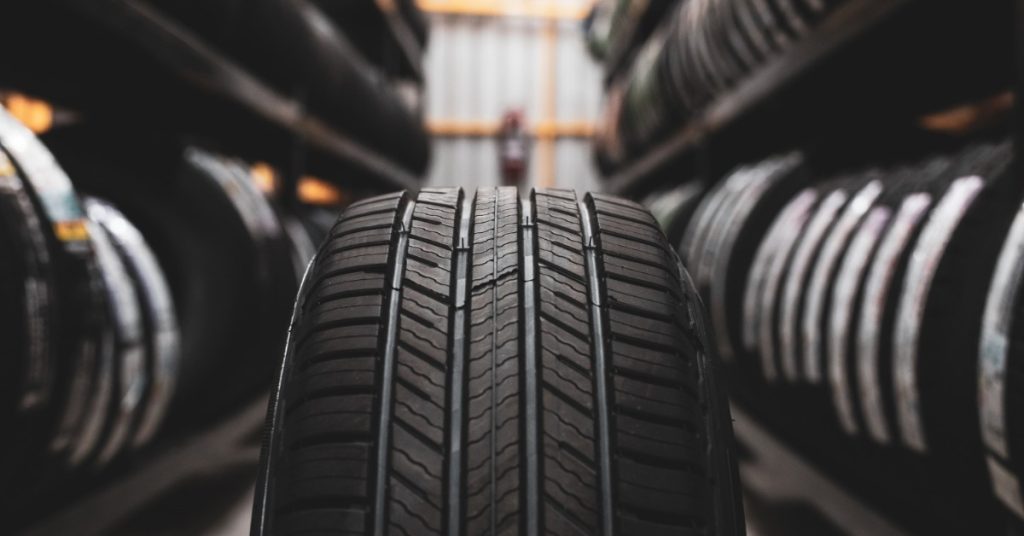
A fresh set of tires can change the way a vehicle feels almost as soon as it leaves the shop. The steering may feel different, the ride may seem unfamiliar, and the tires may not react quite like the worn set they replaced. Those changes don’t necessarily point to a problem.
New tires need a short break-in period before they reach their normal feel and performance. A little patience behind the wheel gives the tires time to settle into everyday use.
Below, we’ll take a closer look at why new tires need a break-in period, and how drivers should gently introduce their car’s new rubber to the road.
A driver who replaces a worn set of tires may expect the new ones to feel immediately sharper. In some cases, the opposite happens. The vehicle might seem slightly less responsive during the first few trips.
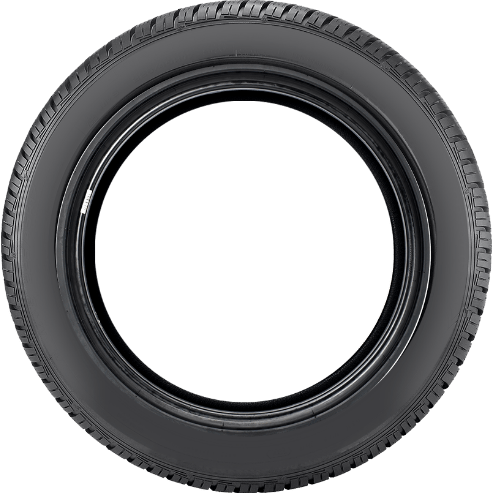
Fresh tires have full tread depth, so their tread blocks contain more rubber than the worn tires they’re replacing. That rubber can flex slightly as the tire responds to steering forces. The result is a sensation known as tread squirm, which can make steering response feel different until the driver becomes accustomed to the new tires.
The contrast can stand out even more when a driver buys the same tire model again. The previous set may have had much less tread by the time it came off the vehicle. With less tread available to flex, those worn tires could have felt quicker during steering inputs despite having less usable tread life.
Manufacturers use heat, pressure, molds, and special materials to produce a finished tire. Certain substances associated with the production process can remain on the tire surface when it reaches a vehicle. Road use gradually removes surface residue as the tire accumulates miles.
Drivers who purchase tires in Dothan, AL, may encounter everything from urban traffic to highway travel soon after installation. For the first several hundred miles, smooth inputs give the new tires a chance to transition into regular service without unnecessary stress.
The tire’s various components also begin to work together under real-world loads. A modern tire contains multiple materials, including rubber, fabric, and steel. Those parts respond to vehicle weight, acceleration, braking forces, steering input, and road surfaces every time the vehicle moves.
New tires need a break-in period because their tread has sharp edges and full-depth grooves straight from the factory. Those features give the tire its tread pattern, but fresh rubber can feel different from rubber that has already spent time against pavement.
Normal road contact gradually roughens the tread surface. Drivers may notice that the vehicle feels more familiar as the miles accumulate. The change tends to happen gradually rather than at one exact mileage point.
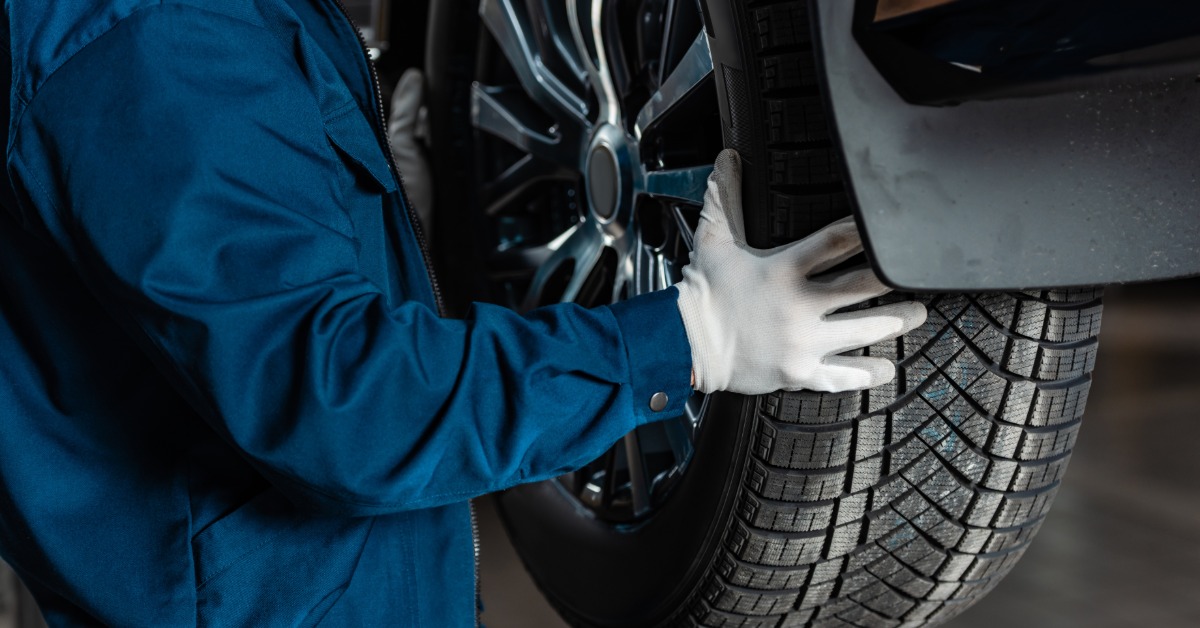
A new set of tires doesn’t require timid driving. Drivers can commute, run errands, and use their vehicles as usual. A smoother approach during the early miles is a sensible choice.
For approximately the first 500 miles, drivers can focus on a few habits:
These practices allow the tires to gain road miles under controlled conditions. They also give the driver time to understand how the vehicle reacts with a new tread pattern and full tread depth.
The break-in period isn’t just about the tires. A new set can change steering feel, road noise, ride comfort, and response compared with the old set.
That difference can become especially noticeable after a driver has used the previous tires for years. Small changes become familiar over time, so the characteristics of a new set may stand out at first.
Use the first few hundred miles to become acquainted with the vehicle again. Pay attention to steering response, braking feel, and how the car behaves through normal curves.
Tread depth serves a practical purpose. The grooves and channels in a tire help manage water and support traction under the conditions the tire must handle.
More tread also means more rubber between the road surface and the tire carcass. That material can flex as the vehicle changes direction. A worn tire has less tread available to move, so steering response can sometimes feel quicker.
Drivers shouldn’t interpret that quicker response as proof that worn tires perform better overall. Tread wear changes several aspects of tire behavior, and reduced tread depth can compromise wet-road performance. Worn tread reduces the volume of the grooves available to handle water.
A break-in period gives drivers a useful opportunity to pay closer attention to their new tires. A brief visual check can reveal anything unusual before it becomes a larger concern.
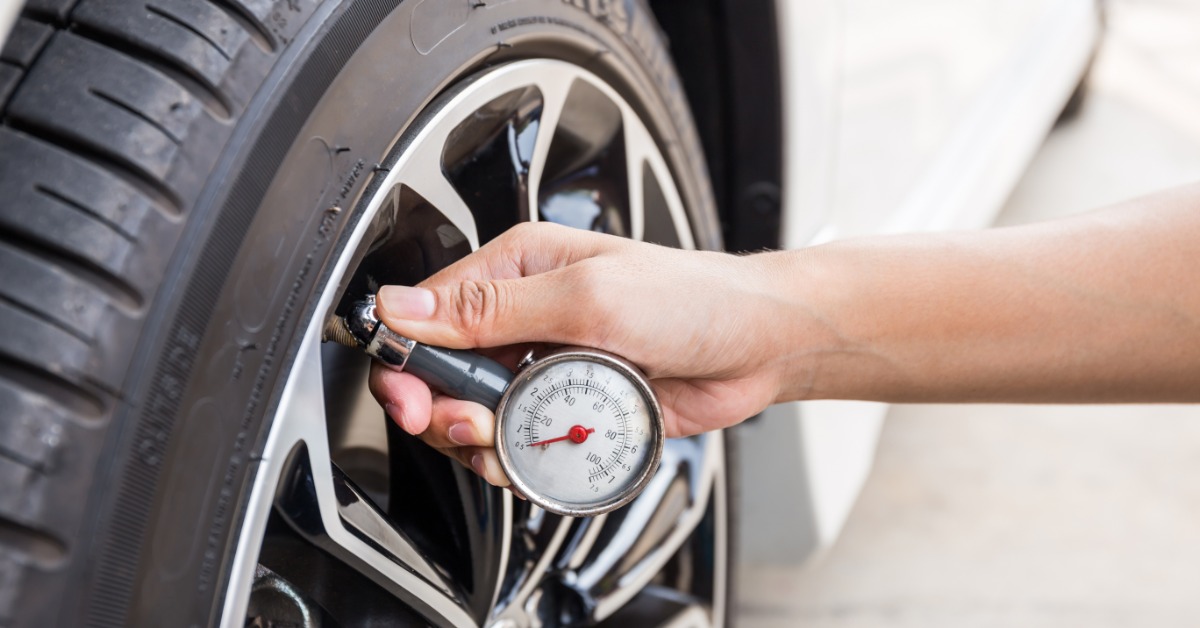
Look at the tires from several angles and watch for visible damage. Drivers should also maintain the vehicle manufacturer’s recommended tire pressure rather than relying on the maximum pressure printed on the tire sidewall. The correct pressure for a vehicle generally appears on the tire information placard or in the owner’s manual.
New tires also need the same routine care as any other set. Proper inflation, rotations at the recommended interval, alignment checks when symptoms appear, and periodic inspections can support even tread wear and predictable vehicle behavior.

Drivers sometimes think of tire replacement as an instant switch from old performance to new performance. In reality, there’s a short transition period. The tires are fresh, the tread is at full depth, and the driver must become familiar with the new setup.
That adjustment doesn’t require complex techniques. Moderate speeds and smooth vehicle inputs during the first several hundred miles provide a sensible start. After that period, the tires should feel more familiar during normal use.
Following the break-in period also gives drivers a chance to form good habits with the new set from day one. Regular pressure checks and routine tire care should continue long after passing those first few hundred miles.
New tires can feel a little unfamiliar at first, and that’s one reason a break-in period deserves attention. Full tread depth, fresh tire surfaces, and the transition from an older set can all influence how the vehicle responds during its first several hundred miles.
Take it easy at first, allow yourself time to adjust, and continue to care for the tires after the break-in period ends. If it’s time for a new set, visit RNR Tire Express to explore tire options for your vehicle and get help from a team that’s ready to serve you.