Tires
|
Mar 13, 2026

Tires wear down a little every time your vehicle moves, but the rate of that wear depends on more than mileage alone. The best ways to extend the lifespan of your tires come down to small maintenance habits that help each tire wear more evenly over time. When you ignore those habits, even a good set of tires can start to lose performance sooner than expected. Knowing what affects tire life can help drivers get more value and fewer unpleasant surprises.
Air pressure changes as temperatures rise and fall, which is why a tire that looked fine last month may not be at the right level today. Underinflated tires create more rolling resistance and extra heat, while overinflated tires can concentrate wear in the center of the tread.
Checking pressure consistently helps the tire keep its intended shape against the road. Use the vehicle manufacturer’s recommended PSI, located on the inside of the driver’s door. Check your tires when they are cold and make seasonal pressure checks part of your routine; don’t wait for a warning light!

Front and rear tires do not wear at the same rate because they handle different loads and forces during acceleration, turning, and braking. Regular rotation changes each tire’s position so that no part of the set is under the same stress for too long.
This necessary practice spreads wear more evenly across all four tires and can help the full set last longer together. Following the recommended rotation interval in your owner’s manual or tire maintenance schedule is a practical way to avoid replacing two tires much sooner than the others.
Wheel alignment affects how your tires meet the road every second you drive. When alignment angles are off, a tire may scrub slightly instead of rolling cleanly, which can wear down the edges faster than expected.
This kind of wear develops gradually, so drivers may not notice the problem until the tread pattern already looks uneven. If the vehicle pulls to one side or the steering wheel sits off-center, it is smart to have the alignment checked before a minor issue leads to premature tire replacement.
Tire balancing addresses weight distribution around the tire and wheel assembly. When that weight is uneven, the tire can create vibration at certain speeds, and that repeated movement can wear sections of the tread irregularly.
Balancing is not the same as alignment because the issue is not directional angle but rotational stability. If you notice shaking through the steering wheel or seat at highway speeds, your tires may need balancing. Correcting these concerns early can help protect tread life and nearby suspension components.
Routine visual checks can reveal problems before they become expensive or unsafe. Look for cuts, punctures, cracking, exposed cords, and bulges in the sidewall.
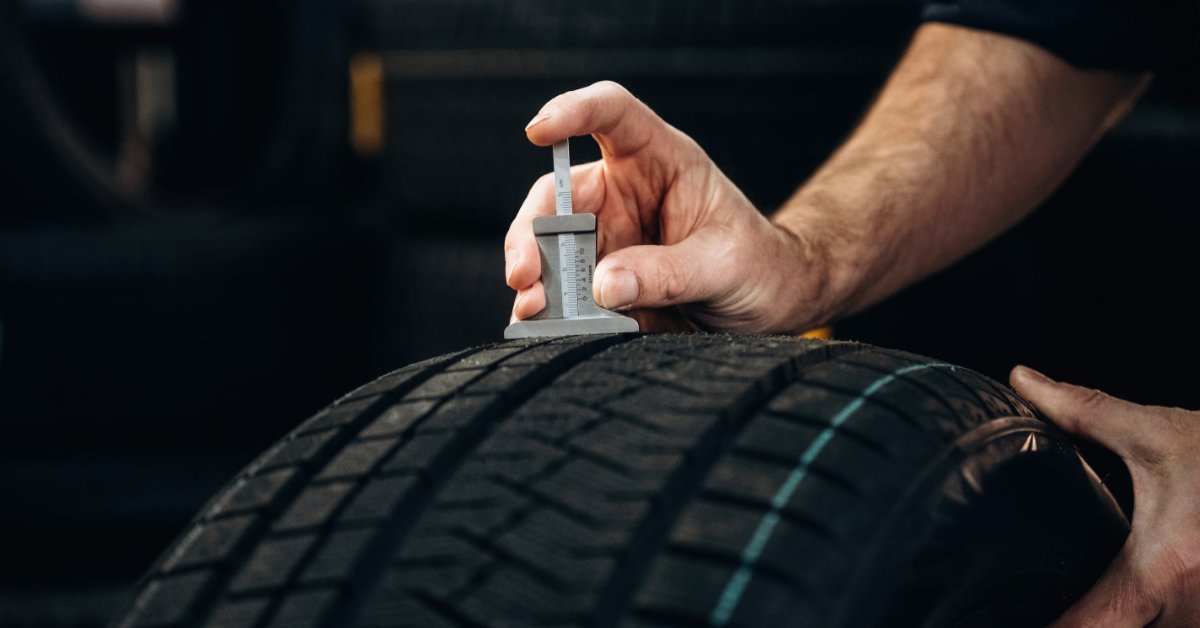
You should also watch for objects lodged in the grooves and check the tread depth so you know when performance starts to drop. A quick inspection during fueling or while washing the vehicle can catch issues early enough to repair them or replace a damaged tire before it affects the rest of the set.

Aggressive driving, like hard launches or sudden braking, puts extra stress on tires. That also includes fast cornering and rough contact with curbs. Even when the damage is not obvious right away, aggressive driving increases friction and heat, both of which shorten tread life.
Smooth driving habits help the tire maintain steadier contact with the road and reduce the uneven stress caused by abrupt inputs. Taking speed bumps carefully, slowing down for potholes, and leaving more stopping distance can make a noticeable difference in how long your tires stay in usable condition.
Every vehicle has a weight limit, and exceeding it puts more pressure on the tires than they were designed to carry. Extra load has many consequences, including changes in how the tread sits on the road, and the added weight can accelerate wear across the entire contact patch.
It also adds strain during braking and cornering, which compounds the problem over time. Checking your load capacity matters whether you are carrying passengers, luggage, or equipment, because tire life can drop quickly when weight is treated like an afterthought.
Tires age even when not being driven, especially when stored in harsh conditions. Heat, direct sunlight, and moisture can dry out the rubber and weaken its long-term performance.
If you keep seasonal tires or a separate set of wheels, store them in a cool, dry indoor space away from direct sun and chemicals. Clean them before storage and keep them stacked or positioned correctly, depending on whether they are mounted. Avoid leaving the tires in places with extreme temperature swings.
Not every tire is built for the same road conditions or weather patterns. Choosing a set that matches your local climate and everyday needs can help you avoid premature wear caused by using the wrong tread design or compound for the job.
Drivers shopping for tires in Mobile, AL, should consider heat, heavy rain, commuting patterns, and how often they drive on highways versus local roads. The right tire choice supports longer tread life because the tire is working in conditions it was built to handle.
Tires do not wear in isolation because other vehicle systems affect how they contact the road. Worn shocks and related suspension issues can change tire loading and create irregular tread wear that routine pressure checks alone will not fix.
If the vehicle feels unstable or shows signs of uneven braking, those problems may be reducing tire life behind the scenes. RNR Tire Express can help drivers stay ahead of wear by checking tire condition and recommending the right next steps for safer, longer-lasting performance.
A longer-lasting set of tires comes down to how well your vehicle is cared for between major service visits. Staying aware of the best ways to extend the lifespan of your tires can keep your vehicle performing the way it should. Small maintenance decisions add up over time. When you want expert help keeping your tires in strong condition, RNR Tire Express is ready to serve.