Maintenance
|
Feb 18, 2026
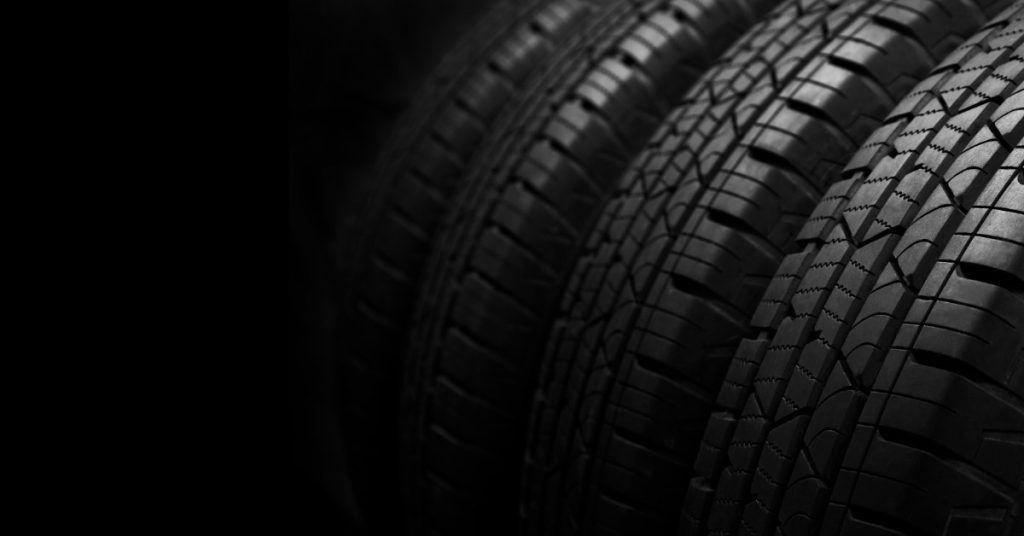
Tires do more than keep your vehicle moving. They help you steer, stop, corner, and stay in control when road conditions change. When tread wears down too far, your tires lose the grip they need to perform safely.
That is where tire wear bars come in. These small built-in indicators give drivers a simple way to check tread depth and recognize when tires reach the end of their utility and safety. Keep reading to understand what tire wear bars are, why they’re important for tire safety, and more!
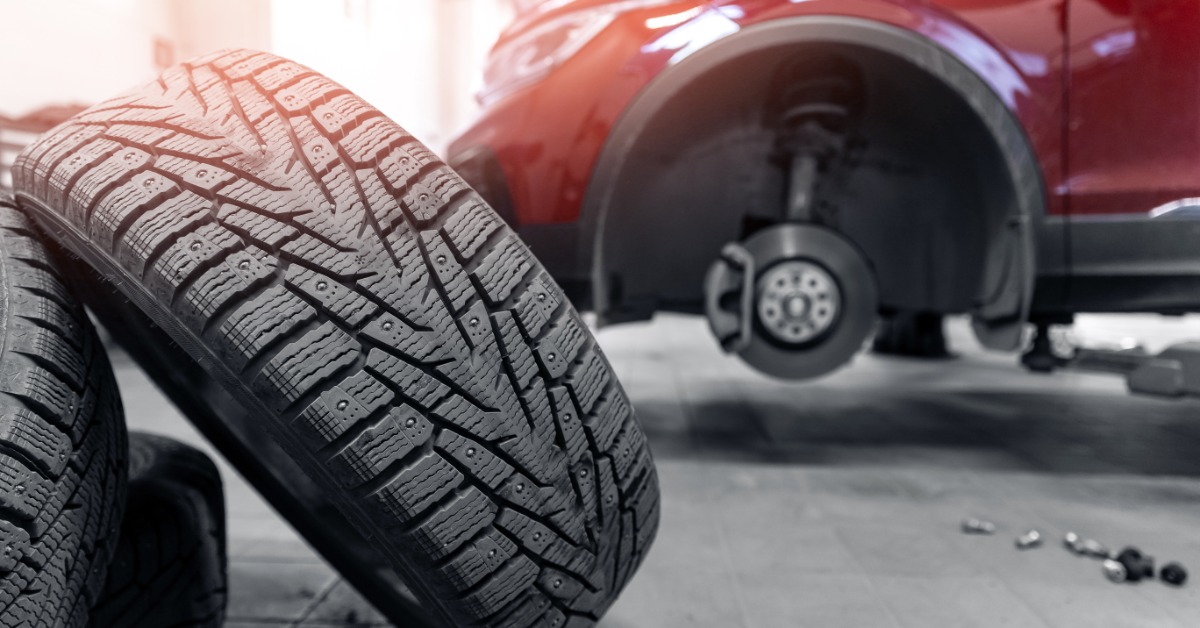
Tire wear bars are small, raised sections of rubber built into the grooves of a tire. Manufacturers place them at specific points around the tire to show when the tread has worn down to a minimum safe level. As long as the tread sits above the bars, the tire still has usable depth. When the tread wears down and becomes flush with those bars, the tire has reached the replacement stage.
These bars act like a built-in safety marker. You do not need special tools to notice them if you know where to look. They provide a quick visual reference that helps drivers avoid guessing about tire condition. Many drivers do not realize these indicators are already part of the tire design, and may continue driving on worn tires longer than they should.
Tire wear bars are important for tire safety because they demonstrate the depth of the tire’s tread. Tread depth plays a major role in how a tire grips the road. The grooves in a tire help channel water away from the contact patch so the tire can connect to the pavement. As the tread wears down, that ability gets weaker.
A tire with low tread depth has a harder time stopping on wet roads. It also becomes more likely to hydroplane, which happens when water builds up between the tire and the road surface. Worn tread also affects traction during emergency maneuvers. If you must brake hard or swerve to avoid something in the road, your tires need enough tread to respond.
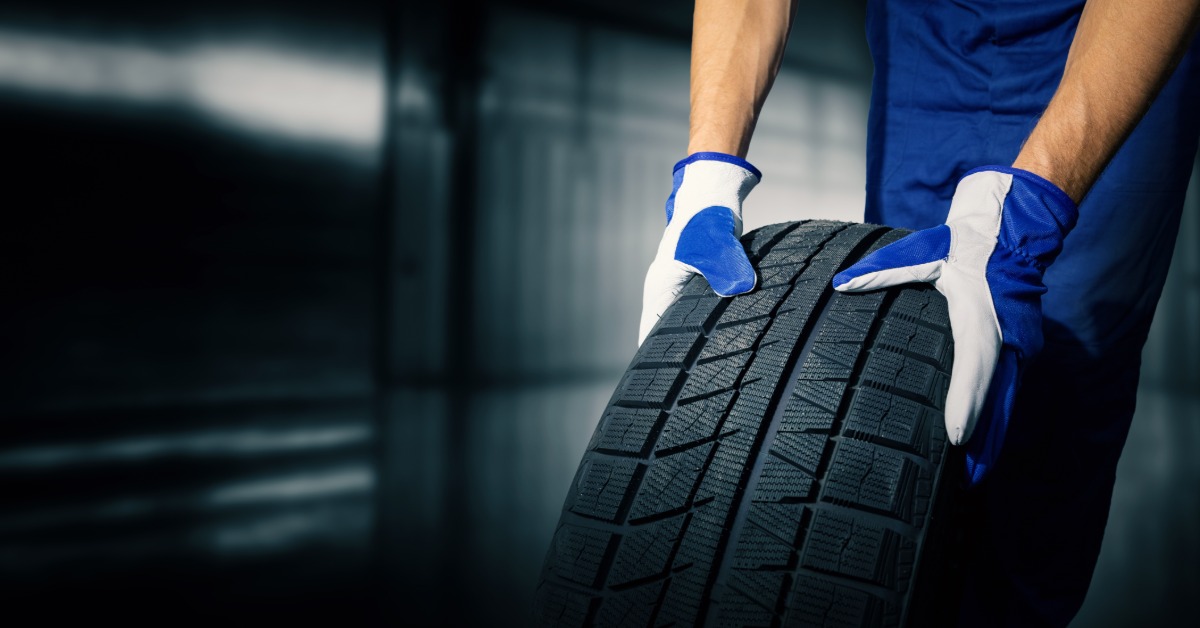
Tire wear bars give drivers a clear warning before tire conditions become dangerous. Instead of relying on guesswork or waiting until a tire looks completely bald, drivers can use the wear bars as a reliable reference point. This matters because tire wear is gradual. You may not notice the difference from one week to the next, but over time, reduced tread can change how your vehicle handles.
A tire may still hold air and look usable from a distance, yet still be unsafe because the tread depth is too low. Wear bars help remove uncertainty. When the tread reaches the same height as the bars, it is time to replace the tire. That simple visual cue reduces the chances of driving on tires that no longer provide dependable traction.
You can find tire wear bars inside the main tread grooves. Most tires have several wear bars around the circumference of the tire. If you look closely into the grooves, you will notice small rubber bridges that run across the channel.
The sidewall of the tire may also show small markings that point to the location of the wear bars. These marks make them easier to find during an inspection. Once you locate one bar, you can check the surrounding tread to see how close it is to being level with the tire surface.
It helps to inspect all four tires, not just one. Tires do not always wear evenly. One tire may show more wear because of inflation problems, alignment issues, suspension wear, or rotation neglect. A full inspection gives you a more accurate picture of your vehicle’s condition.
When the tread becomes flush with the wear bars, the tire has reached approximately 2/32 of an inch of tread depth. That is the minimum legal tread depth for passenger vehicles in many situations, but legal minimum and safe driving conditions are not the same thing.
At that point, the tire has very limited ability to handle rain, standing water, and sudden stops. Even if the tire still feels usable during dry weather, its wet-road performance can drop sharply.
Once the tread hits the wear bars, replacement should move to the top of your to-do list. Waiting longer increases risk and can weaken your car’s handling, stopping power, and confidence behind the wheel.
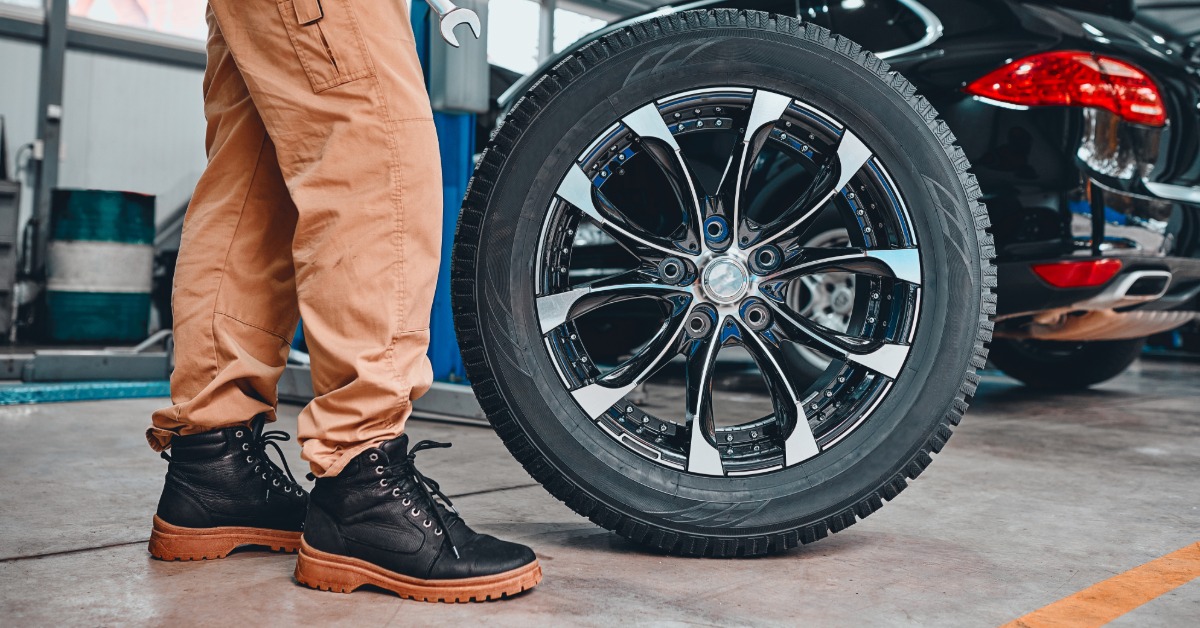
Wear bars are a key part of tire safety, but they are not the only thing drivers should watch. Tires can develop other problems that affect performance before the tread reaches that minimum level.
Uneven wear across the tread can point to alignment or inflation issues. Cracks in the sidewall may signal age or damage, while bulges can indicate internal tire failure. Repeated air loss can suggest a puncture or wheel problem, and vibration while driving may also mean the tires need attention.
A tire inspection should look at the complete condition of the tire, not just tread depth. That is one reason many drivers choose to have a tire professional check their vehicle. A trained eye can catch warning signs that are easy to miss during a quick driveway inspection.
Some drivers assume tire replacement only matters for safety, but it also affects cost. Catching tread wear early gives you more time to plan for replacement instead of dealing with an urgent problem after a tire fails inspection or becomes unsafe in bad weather.
Routine inspections can also uncover the causes of premature wear. If your tires wear down too quickly because of poor alignment or improper inflation, replacing the tires without fixing the cause may create the same issue again and waste your investment in your new tires. Addressing those problems early helps you get more value from your next tire purchase.
This is another area where RNR Tire Express can help. Drivers benefit when they have a team that can explain tire condition clearly and helps them make practical decisions based on how they drive and what their vehicle needs.
Tire wear bars may be small, but they play a big role in keeping drivers safe. They give you a built-in warning when tread has worn down too far, helping you avoid reduced traction, longer stopping distances, and a higher risk of losing control in wet conditions. If you want help checking your tread or finding dependable tires in Montgomery, RNR Tire Express is here to help. Visit one of our many stores nationwide, and our team of tire experts will inspect your tires and offer guidance on what your vehicle needs.