Misc.
|
Mar 18, 2026

Summer has a way of exposing every weak spot your tires have been hiding. One hot afternoon drive, and the ride you trusted yesterday might start telling a different story. Understanding how the summer heat affects tire performance helps explain why your vehicle suddenly demands more attention. Before the season starts working against your tires, it helps to know what the heat is really doing underneath your vehicle.
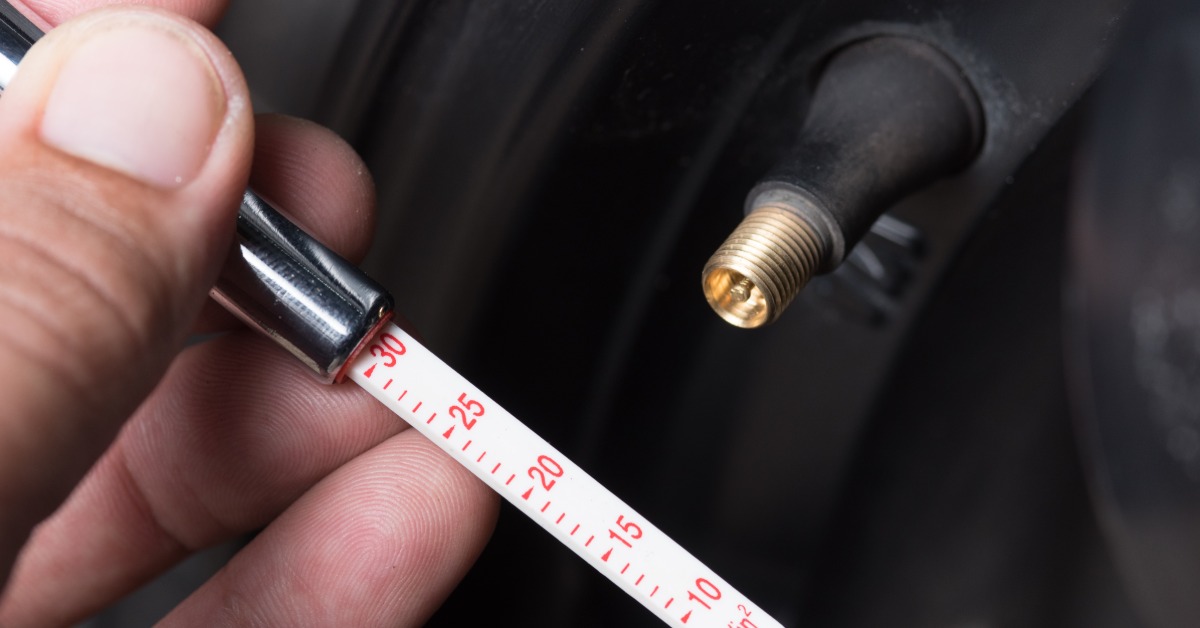
Tire pressure rises as air inside the tire warms up. Heat causes air molecules to move faster, which increases pressure against the inner tire walls. On a hot summer day, the pressure reading after a drive might look higher than it did early in the morning.
Higher pressure does not mean the tire is healthier or stronger. It means the tire is reacting to temperature. A tire with too much air could ride harder once the pavement heats up. A tire that started low still creates a problem because it flexes more as it rolls.
Drivers get the most accurate reading when tires are cold. Checking pressure before the first drive gives a clearer picture than checking after errands or highway travel.

Pavement absorbs heat quickly, and road surfaces become much hotter than the air temperature. That heat reaches the tread every time the tire turns. As the rubber warms, its behavior changes slightly, which affects how the tire grips the road.
Heat does not affect every tire evenly. Tires with poor alignment or worn suspension components, for example, could show faster wear on one edge or across specific sections of the tread. Those patterns usually point beyond normal use.
Good tires are built for normal summer conditions, but heat still puts strain on them. A tire with worn tread has less surface depth to manage that stress. When summer storms move through, the same tire has less room to move water away from the contact patch.
Worn tread is why traction problems show up during quick stops or sharp turns. The tire must respond quickly after heat has already increased its pressure.
Heat and speed create a tough combination for tires. At highway speeds, tires flex rapidly as they roll. That motion generates internal heat, and summer pavement adds external heat.
A healthy tire is designed for this workload within its proper limits. Trouble starts when the tire is underinflated, overloaded, damaged, or worn too thin. Those issues force the tire to work harder with less support.
Long drives in hot weather deserve extra attention. A tire might look fine at a gas stop, yet still have a hidden weakness due to age, impact damage, or prior low-pressure driving. When the internal structure overheats, the tire loses strength, and sudden failure becomes more likely.
A tire is not just a ring of rubber. It has layers and sidewall materials that work together to carry weight and hold shape. Summer heat slowly affects those materials, even when the tread looks acceptable.
Rubber naturally ages, and high temperatures speed that aging process. The sidewall might begin to show small cracks, or the tire might lose some of its flexibility. Those changes are easy to overlook because they do not always create noise right away.
Older tires deserve close inspection before peak summer driving. A tire with decent tread depth might still have weakened materials. Heat makes those weak points less forgiving.

Tires respond differently to summer heat based on design, age, tread pattern, and rubber compound. Performance tires focus on responsive handling, so grip and heat behavior carry more weight. Touring tires are usually built around comfort and steady everyday use.
All-season tires are common for daily drivers because they handle a range of road conditions. During Gulf Coast summers, those tires still need proper pressure and enough tread depth. A tire that works well in mild weather might act differently after months of heat and rough roads.
Drivers searching for a tire shop in Hattiesburg, MS, should look for guidance that matches the vehicle and local road conditions rather than choosing only by price.
Summer tire care works best when it becomes part of a regular routine. Pressure checks are the first step. The driver-side door placard is the number to follow, not the number molded into the tire sidewall.
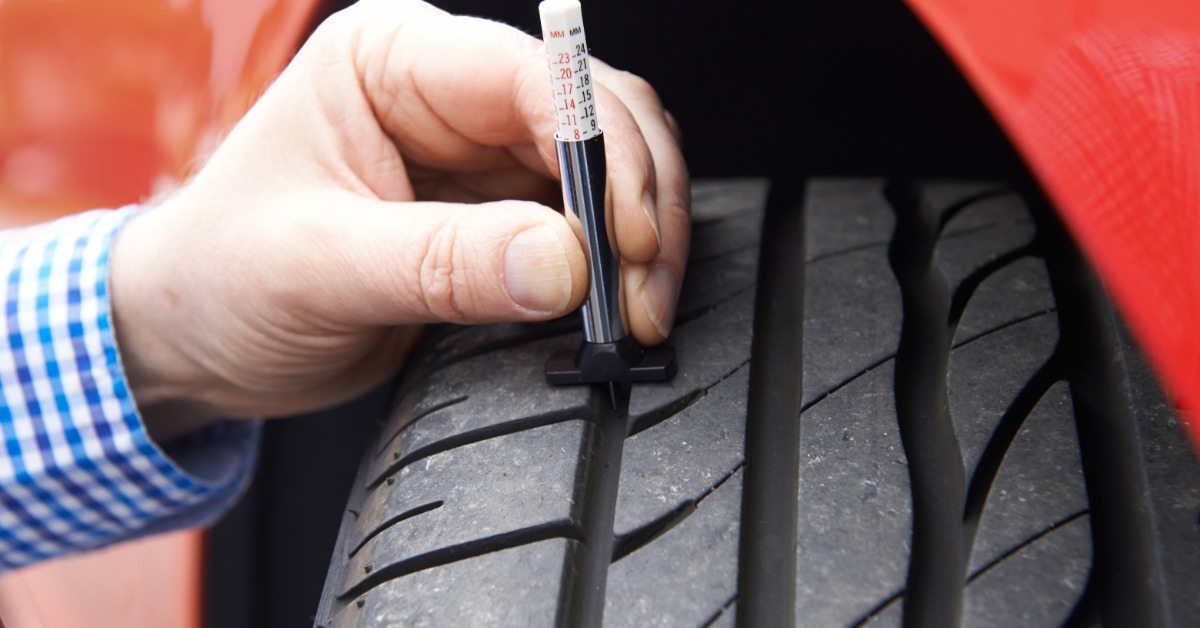
Tread checks deserve the same attention. Drivers should look for uneven wear, as it might indicate alignment or rotation issues.
A simple routine helps reduce heat-related strain:
At RNR Tire Express, summer tire care does not have to start with sticker shock or a long guessing game in the tire aisle. Drivers get help narrowing down the right tires or wheel setup for their vehicle, with payment options that make the next step easier to handle.
Some tire problems need quick attention. A bulge in the sidewall means the tire structure has been damaged. Exposed cords, repeated pressure loss, or strong vibration at speed are serious warning signs.
Heat makes these issues more urgent because the tire is already under stress. A tire with visible damage should not be treated like a minor inconvenience. The safest move is to have it inspected promptly.
Noise might be your biggest clue. A thumping sound or a rhythmic vibration might indicate uneven wear or internal damage. Summer heat will not fix those problems; it usually makes them worse.
A strong summer tire routine is not about waiting for the dashboard warning light to make the first move. Knowing how the summer heat affects tire performance gives drivers a better reason to check their tire condition before the hottest miles hit. When the season puts extra stress on every drive, RNR Tire Express gives drivers a place to turn before tire trouble disrupts plans on the calendar.