Misc.
|
Jan 17, 2020

A car that pulls to one side is a red flag that drivers should never ignore. You may feel the steering wheel drift left or right, or you may notice that the vehicle will not stay straight unless you correct it. That constant correction can wear you out, but it can also point to a problem with your tires, wheels, alignment, brakes, or suspension.
Drivers in Florida deal with heavy rain, hot pavement, busy roads, and plenty of stop-and-go traffic. Those conditions can make small vehicle problems feel much bigger. Below, we’ll outline the likely reasons why your car is pulling to one side while driving and what you can do about it.
Wheel alignment plays a major role in how straight your vehicle drives. When your alignment falls out of spec, your tires no longer meet the road at the correct angles. That can cause your vehicle to pull left or right, especially when you let the steering wheel relax for a moment.
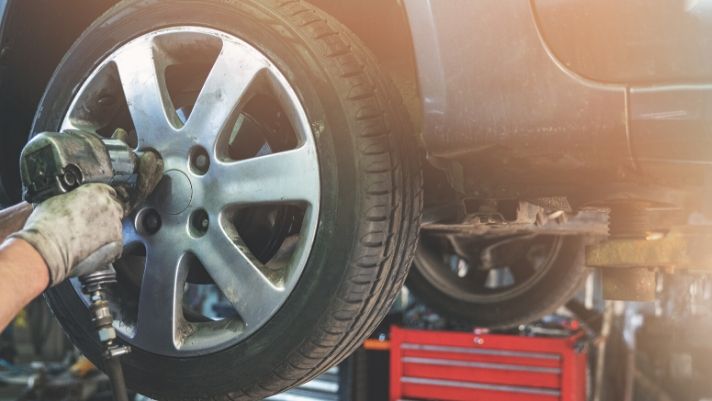
A vehicle can lose alignment after hitting a pothole, bumping a curb, driving over rough pavement, or dealing with normal wear in steering and suspension parts. If your car pulls steadily in one direction, an alignment check should sit near the top of your list.
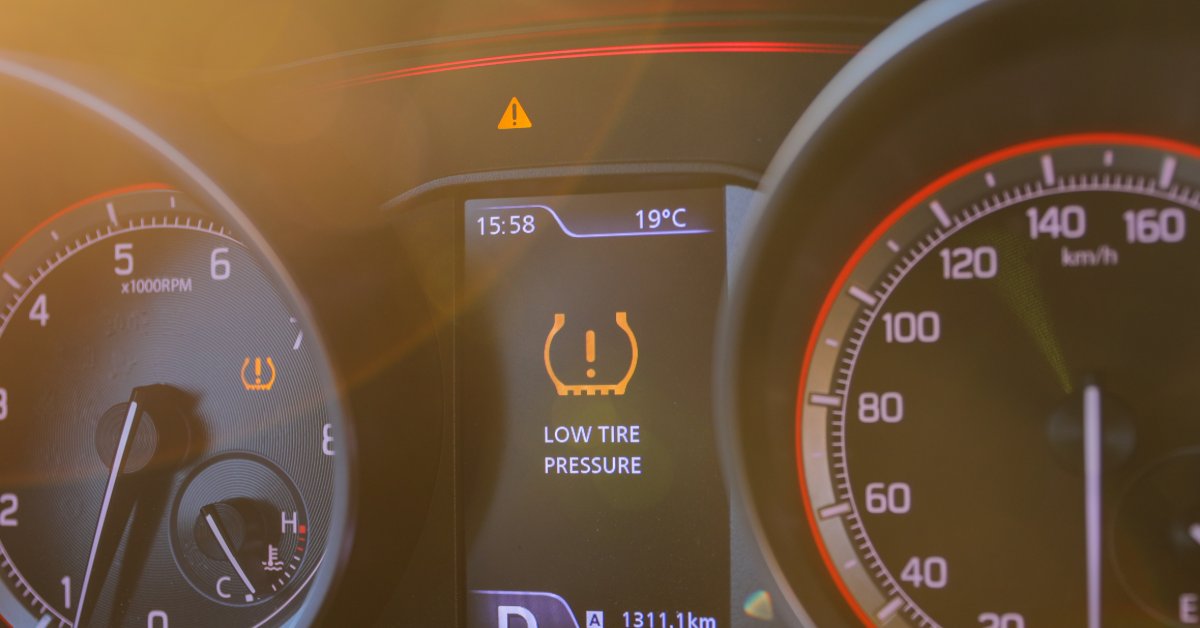
Uneven tire pressure can make your car drift because each tire reacts to the road differently. A low tire has more rolling resistance, which can pull the vehicle toward that side. Even a small pressure difference can change how the steering feels.
Heat can make tire pressure fluctuate, and Florida drivers know how quickly pavement temperatures rise. A tire may also lose pressure from a small puncture, a leaking valve stem, or a poor seal around the wheel. Check the pressure when the tires are cool, and compare each tire with the pressure listed on the vehicle’s door placard.
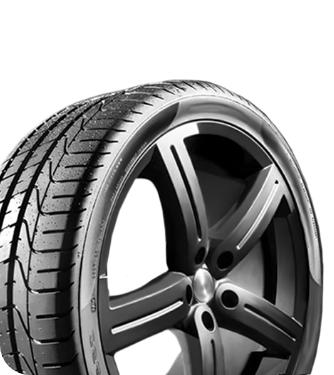
Another tire-related reason why your car is pulling to one side while driving is uneven wear. One tire may lose tread faster because of misalignment, poor inflation, worn suspension parts, or long periods without rotation. When the tread pattern changes from one side of the vehicle to the other, your car may start pulling.
Uneven tread can also reduce traction during wet weather. That matters in Florida, where sudden rain can make roads slick in minutes. If you see feathered edges, bald spots, shoulder wear, or strange tread patterns, your tires may need attention before the pulling gets worse.
A tire can look fine on the outside and still have internal damage. Broken belts, hidden impact damage, or separation inside the tire can change its shape and make the vehicle pull. You may also feel vibration, thumping, or a strange wobble as speed increases.
This type of damage can happen after a hard hit with a pothole, curb, or road debris. Since internal tire damage can create a safety risk, you should have a professional inspect the tire instead of assuming the issue will resolve on its own.
Mismatched tires can affect steering, braking, and overall handling. If one tire has a different size, tread depth, tread design, or performance rating, it may grip the road differently than the others. That uneven grip can cause a pull that feels stronger at certain speeds or on certain road surfaces.
Some drivers replace one damaged tire without matching it closely to the remaining tires. While that may seem convenient, it can create problems if the new tire differs too much from the others.
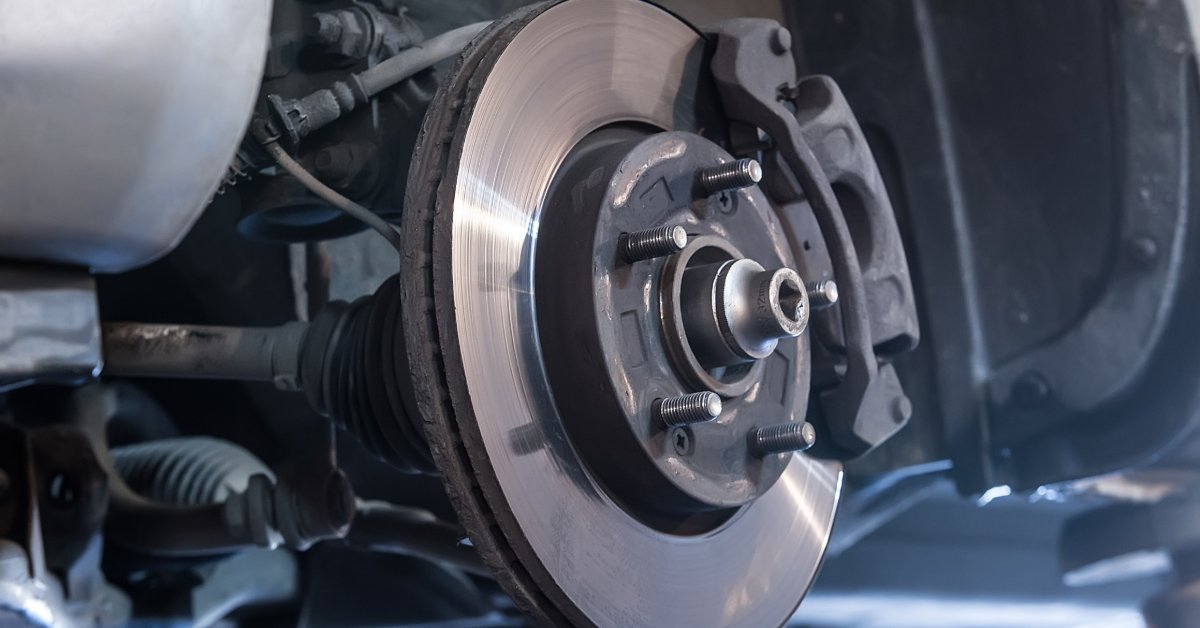
A brake problem can make a car pull to one side, even when you are not pressing the brake pedal. A sticking caliper, seized slide pin, collapsed brake hose, or uneven brake pad wear can cause one wheel to slow more than the others. When that happens, the vehicle may pull toward the side with the extra braking force.
You may notice a burning smell, extra heat near one wheel, squealing, grinding, or reduced fuel efficiency. Brake issues need prompt service because they can affect stopping distance and create additional damage.
Your suspension helps firmly plant your tires on the road, stabilizes your steering, and safely controls your ride. When parts such as control arms, ball joints, struts, shocks, or bushings wear out, your vehicle may no longer track straight.
Worn suspension parts can also cause clunks, uneven tire wear, bouncing, or a steering wheel that feels off-center. These symptoms can build gradually, which makes them easy to ignore at first.
Steering components connect your steering wheel to the wheels on the road. Tie rods, steering racks, linkages, and related parts must stay in good condition for the vehicle to respond correctly.
Steering problems can feel different from tire pressure or alignment issues. The wheel may feel loose, delayed, or uneven as you turn.
Not every pull comes from a vehicle problem. Many roads have a slight slope, known as road crown, that helps water drain away from the center. On those roads, your car may drift gently toward the shoulder.
Road crown usually causes a mild pull that changes based on the road you drive on. Testing the vehicle on a safe, level road can help you tell the difference between normal road design and a mechanical issue.
A bent wheel can change how a tire contacts the road. This can cause pulling, vibration, air loss, or uneven tire wear. Even a small bend can affect the way the vehicle drives, especially at higher speeds.
Bent wheels can happen after pothole impacts, curb hits, or contact with road debris. In Florida, flooded streets can hide hazards that damage tires and wheels before you even see them.
You should schedule an inspection if the pull stays consistent, grows stronger, or comes with vibration, noise, uneven tire wear, or steering changes. A professional can check tire condition, tire pressure, wheel balance, alignment, rims, and related components. This inspection gives you a clearer answer than guessing from the driver’s seat.
You should also get help if your vehicle feels unsafe or hard to control. Pulling can affect your confidence behind the wheel, and it can create risk when roads get wet. Quick attention can protect your tires and help restore a smoother drive.
A vehicle that pulls to one side is trying to tell you that something needs a closer look. Tires, wheels, alignment, brakes, steering, and suspension all play a role in how straight your car tracks. If you need help checking tires in Pensacola, visit RNR Tire Express for automotive tire and wheel support, helpful service, and payment options that can fit different budgets. Stop by your local RNR Tire Express to get your vehicle driving straighter, smoother, and safer.
By signing up you agree to our Privacy Policy.