Misc.
|
Jan 17, 2020

Road construction can turn a familiar commute into a much rougher trip. Fresh pavement may sit beside torn-up asphalt, lane shifts can force cars across uneven surfaces, and loose debris may appear with little notice. Those conditions put extra stress on tires, especially for drivers who pass through the same work zone each day. The ways road construction can affect tire wear become easier to spot once you know what happens between the tire and the road. Jump into our guide now to find out everything you should know before your next drive.
A smooth road gives each tire a relatively consistent surface for contact. Construction zones rarely offer that luxury. Crews may remove the top layer of asphalt before a new surface goes down, so tires must travel across grooves, rough patches, and abrupt surface changes.
Those surfaces can place extra strain on tread blocks. The effect may become more noticeable if the same road stays under construction for weeks or months. A daily commute across milled pavement can expose tires to far more vibration and harsh contact than a finished roadway would.
Speed also plays a role. A rough patch at a moderate pace may cause little trouble, but the same section at a higher speed can produce a harder impact. Respect posted work-zone speed limits and give your tires a smoother trip.
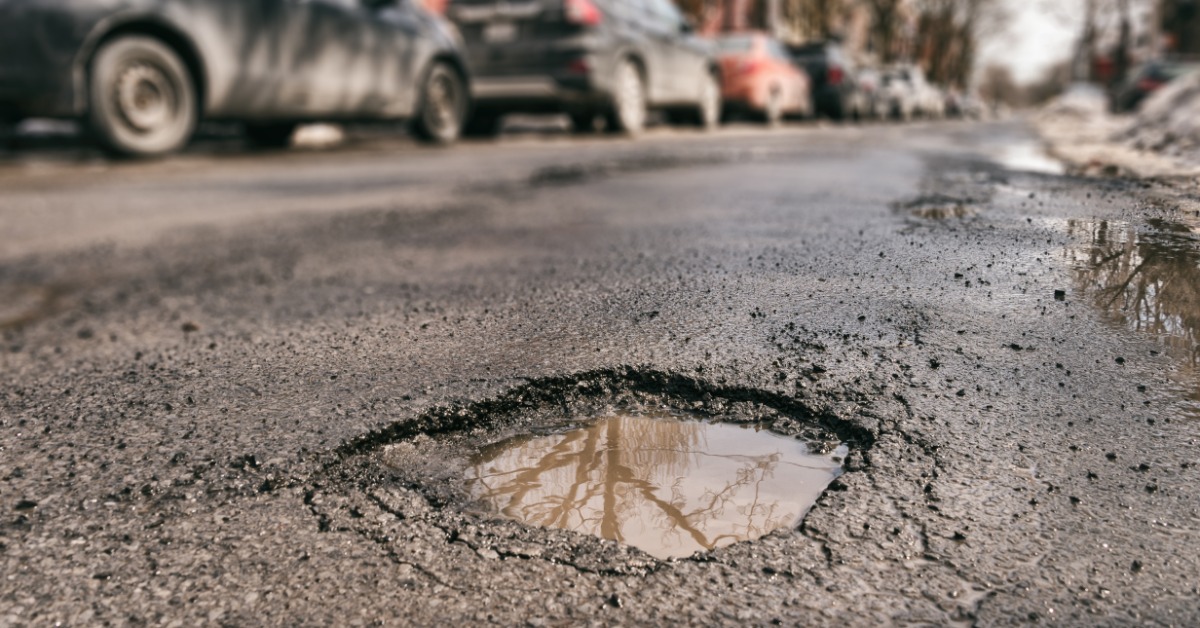
Road projects sometimes leave abrupt edges between old pavement, temporary surfaces, and newly paved sections. Potholes may also appear as heavy equipment, traffic, and exposed road surfaces take their toll. A direct hit can place a large amount of force on one tire in a fraction of a second.
The result isn’t always obvious from the driver’s seat. A tire may develop sidewall damage, internal damage, or an unusual wear pattern after a severe impact. The wheel can also suffer damage, and alignment can shift after a hard strike.
Drivers should take a closer look after an especially rough encounter with a pothole or pavement edge. Check for cuts, bulges, exposed material, or any other change in the tire’s appearance. A professional inspection can provide a clearer picture if something doesn’t look right.
A work zone has more than rough pavement to contend with. Loose gravel, small pieces of metal, screws, nails, and other debris can find their way onto active lanes. Most pieces pass under a vehicle without trouble, but a sharp object can puncture a tire or become lodged in the tread.
Not every puncture causes an immediate flat. A small object can stay embedded and allow air to escape at a slow rate. That gradual loss of pressure may expose the tire to added heat and uneven tread wear if the problem goes unnoticed.
Keep an eye on tire pressure after regular trips through active roadwork areas. If one tire starts to lose air faster than the others, have it inspected. A technician can determine if the tire qualifies for repair or if replacement offers the proper solution.
The many ways road construction affects tire wear also include uneven surfaces. Alignment depends on precise wheel angles. A harsh pothole strike or repeated contact with rough pavement can disrupt those angles. Once alignment falls outside the proper specifications, tires may no longer meet the pavement as intended.
That can create uneven tread wear. One edge may lose tread faster than the rest of the tire, or the tread can develop a feathered pattern across its surface. The vehicle may also pull toward one side on a straight, level road.
A construction-heavy commute can give drivers more reason to watch for these symptoms. If the vehicle suddenly feels different after a rough stretch of road, don’t dismiss the change as another annoyance from the work zone. An alignment check may help identify the source before excessive tire wear develops.
Roadwork doesn’t affect tires through pavement alone. Lane closures and reduced speed limits can create long stretches of stop-and-go traffic. Each acceleration and stop asks the tires to transfer force between the vehicle and road.
Aggressive acceleration can scrub your tread against the pavement. Hard stops place another burst of force on the tires, especially when traffic repeatedly speeds up and slows down. A calm pace can reduce those abrupt forces and create a more comfortable trip through the work zone. Leave extra space between your vehicle and the car ahead when traffic permits. That space gives you more room to adjust speed gradually instead of jumping between the accelerator and brake pedal.
Drivers can’t control the state of every construction zone, but a few habits can limit unnecessary tire stress. Regular tire checks also give you a better chance to catch damage before it affects the rest of your trip.
Try these habits when roadwork becomes part of your routine:
These steps don’t require a major change to your routine. They just add a little more care when road conditions become less predictable.
Your vehicle can provide clues after road construction takes a toll on its tires or alignment. A new vibration, pull to one side, pressure warning, or unusual road noise deserves attention. The same applies to visible tread wear that appears on one tire or one side of a tire.
Don’t assume every change comes from the rough road beneath you. A symptom that remains after you leave the work zone may point to tire, wheel, or alignment trouble. An inspection can help separate a temporary road sensation from a problem that needs service.
Construction zones are temporary, but tire wear can stay with you long after the orange barrels disappear. Careful habits and routine inspections will help you catch trouble before excess wear shortens the useful life of a tire. If road construction has left your tires looking rough or your vehicle no longer feels right on the road, visit our Pensacola tire shop for assistance.
By signing up you agree to our Privacy Policy.