Misc.
|
Jan 17, 2020

Electric vehicles have become a practical choice for drivers who spend countless hours on the road. From daily commutes to weekend trips, EVs deliver smooth acceleration and impressive efficiency. However, their tires face unique demands that deserve attention, especially as mileage accumulates. Let’s discuss how you can choose EV tires for high-mileage driving.
Electric vehicles place different demands on tires than traditional gasoline-powered cars. Their battery packs add considerable weight, and electric motors deliver torque almost immediately. This combination can accelerate tread wear, particularly under aggressive acceleration or frequent stop-and-go travel.
EVs also operate with very little motor noise, so tire sounds become more noticeable inside the cabin. A tire that seems quiet on a conventional sedan might produce distracting road noise on an electric vehicle. For drivers who cover substantial distances, those small differences can affect the overall experience.
Fortunately, manufacturers have developed tires that address these characteristics. Some feature reinforced construction, specialized rubber compounds, or tread patterns designed to reduce noise. Understanding these differences helps narrow your choices before comparing individual models.
Drivers who accumulate thousands of miles each month need tires capable of maintaining dependable traction throughout their service life. Tread durability deserves close attention because premature wear can turn an affordable purchase into an expensive habit. Comparing treadwear ratings and manufacturer warranties can help you identify models suited to extended travel.
The Uniform Tire Quality Grading system provides treadwear ratings that help consumers compare certain passenger tires. Higher numbers generally suggest greater wear resistance under standardized test conditions. Still, these ratings work best as comparisons among tires from the same manufacturer rather than promises of actual mileage.
Manufacturer treadwear warranties offer another useful reference. A tire backed by a 60,000-mile limited warranty may appeal to someone with a lengthy daily commute. Check the terms carefully, as mileage coverage can vary by tire model, vehicle application, and maintenance history.
Driving habits influence tire longevity just as much as construction. Someone who travels primarily on highways may experience different wear patterns than a driver who navigates crowded city streets. Frequent acceleration, sharp turns, and rough pavement can shorten tread life, so choosing tires suited to your typical routes helps you get better value from every set.
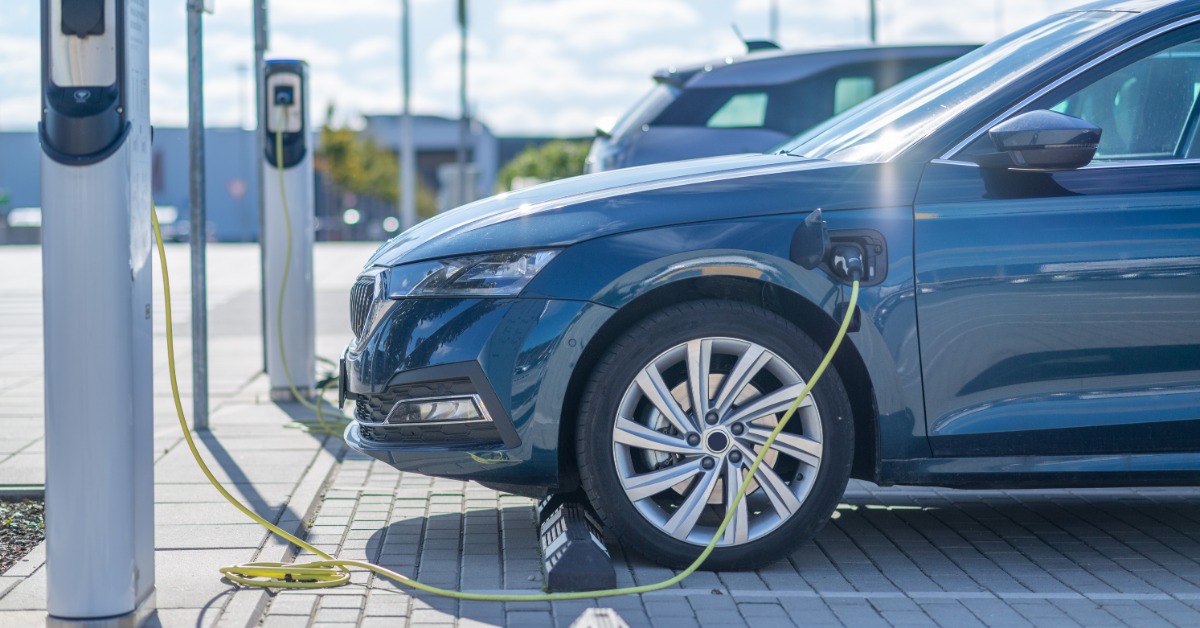
Electric vehicles rely on battery energy to cover each mile, so tire rolling resistance deserves consideration. Rolling resistance describes the energy a vehicle must expend to keep its tires moving along the road. Tires with lower rolling resistance can help conserve energy and support greater driving range. For high-mileage drivers, even modest efficiency improvements can become noticeable across months of travel.
Not every low-rolling-resistance tire delivers the same traction or durability. Tire manufacturers balance several performance characteristics through rubber compounds, construction methods, and tread designs. A tire focused heavily on efficiency might not provide the wet-weather grip or responsive handling that another driver prefers.
Compare performance ratings alongside efficiency claims rather than selecting a model based on one feature. For example, someone who regularly travels through heavy Gulf Coast rain should pay particular attention to wet traction. Dependable grip during sudden downpours deserves consideration alongside potential range benefits.
EV batteries contribute additional vehicle weight, so choosing tires with suitable load capacity is particularly relevant. Every tire carries a load index that identifies the maximum weight it can support under specified conditions. Your vehicle manufacturer establishes the appropriate tire specifications for safe operation, and you can usually find this information on the driver’s door placard or in the owner’s manual.
Before purchasing replacement tires, verify these details:
Some electric vehicles require extra-load tires because of their weight distribution and performance characteristics. Never assume a tire fits properly based on wheel diameter alone. Checking the complete specifications helps you avoid compatibility problems that could compromise performance or safety.
Long-distance drivers spend considerable time behind the wheel, so ride comfort deserves more than a passing thought. Tire construction influences how your vehicle responds to pavement imperfections, expansion joints, and uneven road surfaces. Choosing a tire that balances comfort with dependable handling can make extended highway trips considerably more pleasant.
Because EV cabins lack conventional engine noise, tire sounds can stand out during highway travel. Certain EV-oriented tires incorporate acoustic foam or specialized tread patterns to reduce sound transmission. These features can create a more pleasant experience during lengthy commutes, although actual cabin noise also depends on road surfaces, vehicle insulation, and tire condition.
Tire sidewalls also influence comfort. Stiffer construction may improve steering response but can transmit more vibration through the cabin. Drivers who prioritize relaxed highway travel may prefer touring tires with a reputation for smooth performance. Those who enjoy more responsive handling might favor a different design, provided it meets their vehicle’s specifications.

Tire performance changes with temperature and road conditions. In warmer Gulf Coast climates, drivers encounter intense summer heat and sudden rainstorms that demand dependable traction. All-season tires can provide a practical combination of comfort, tread life, and everyday versatility.
Models with strong wet-traction performance are particularly attractive for drivers who travel extensively through rainy conditions. Summer tires may offer sharper handling in warm weather, but some sacrifice tread longevity and cannot safely operate in freezing conditions. The right selection depends on your local climate, mileage expectations, and driving preferences.
Choosing EV tires for high-mileage driving becomes easier once you understand how tread durability, efficiency, and vehicle compatibility influence performance. Rather than focusing exclusively on price, consider how each tire will serve your everyday routes and long-term mileage expectations. RNR Tire Express can help you explore available tire choices that suit your electric vehicle and budget. Visit your nearest Dothan tire shop to discuss compatible options and find a set that supports comfortable, dependable travel for the miles ahead.
By signing up you agree to our Privacy Policy.