Safety Tips
|
Aug 9, 2019
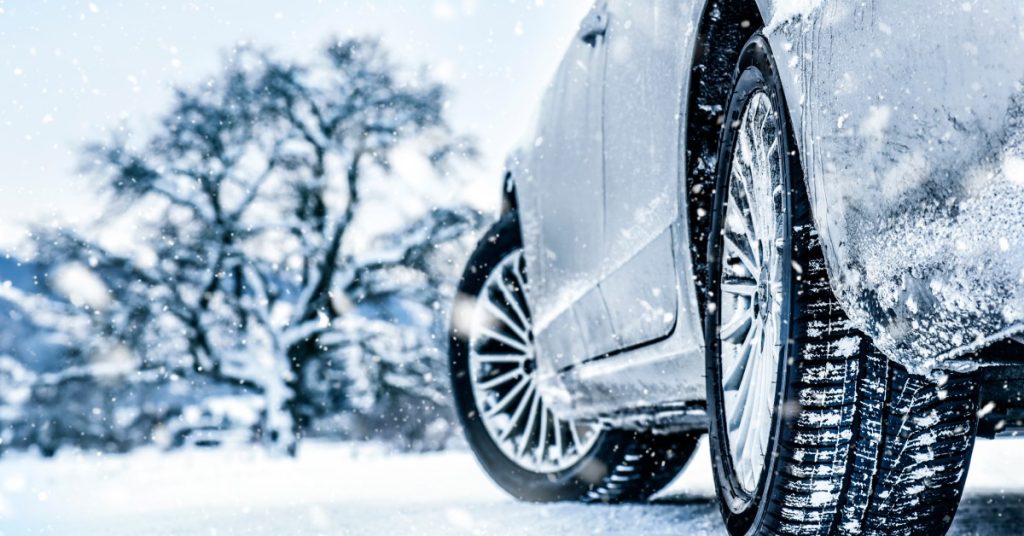
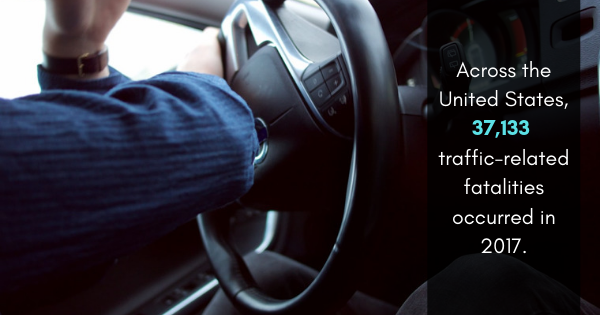
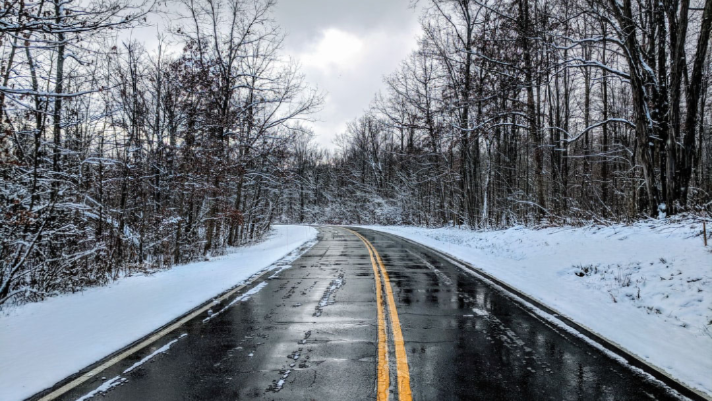
Winter driving can be unpredictable, with snow, ice, and frigid temperatures creating challenging conditions for any vehicle. For daily commuters in urban and suburban areas, preparing your car for the worst is not just about convenience; it’s a critical safety measure. A well-maintained vehicle is your best defense against breakdowns and accidents on icy roads.
Preparing your car for winter might seem daunting, but it is an essential part of responsible car ownership. Proper winterization can significantly improve your car’s performance, safety, and reliability during the colder months. By taking a few proactive steps, you can minimize the risk of a roadside emergency and gain peace of mind knowing your vehicle is ready to handle whatever the season throws at it.
We’ll cover how to winterize your car for extreme conditions, and you’ll learn about everything from checking your battery and tires to assembling a winter emergency kit. Following these tips will help you stay safe on the road, optimize your car’s performance in cold weather, and extend its lifespan.
Your car’s battery is the heart of its electrical system, and it works much harder in cold weather. Low temperatures can reduce a battery’s power by up to 50 percent, making it one of the most common reasons for winter breakdowns. Before the first frost, it’s crucial to have your battery tested to ensure it has enough power to start your engine reliably.
Most auto parts stores and repair shops offer free battery testing. A technician can check the charge and overall condition. If the battery is several years old or shows signs of weakness, consider replacing it.
A new battery is a small investment that can save you from being stranded in freezing temperatures. Also, take a moment to inspect the battery terminals for corrosion—a white, powdery substance—and clean them with a wire brush if necessary to ensure a solid connection. By investing in proper battery health, you can avoid problems on the road and drive safely in the winter.
Tires are your car’s only connection to the road, and their performance is vital for safety in winter conditions. Cold air causes tire pressure to drop—about one PSI for every 10-degree Fahrenheit drop in temperature. Driving on under-inflated tires can lead to poor handling, increased fuel consumption, and uneven wear.
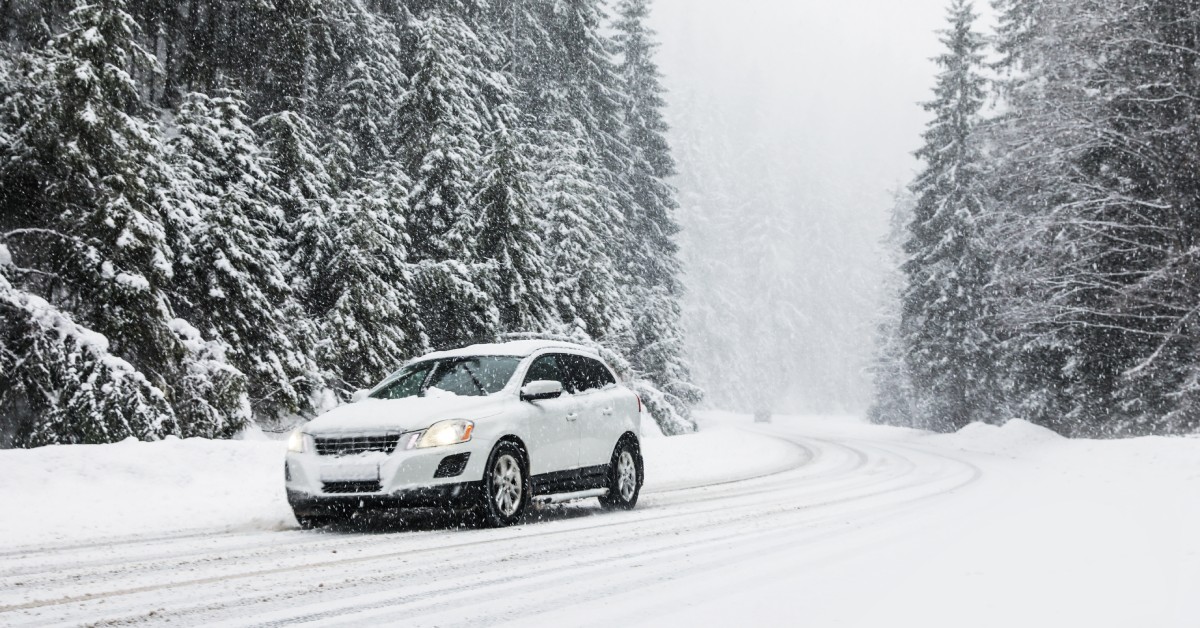
Check your tire pressure at least once a month with a reliable gauge. You can find the manufacturer’s recommended PSI on a sticker inside the driver’s door jamb. Don’t use the pressure listed on the tire’s sidewall; that’s the maximum, not the recommended level.
Also, inspect your tire tread. Adequate tread depth is essential for grip on wet or icy roads. If the tread looks worn down, then it is time to replace your tires.
For those living in areas with severe winter weather, investing in a set of winter tires is one of the smartest safety decisions you can make. Unlike all-season tires, winter tires use a special rubber compound that stays flexible in cold temperatures, providing superior traction on ice and snow.
These tires also feature unique tread patterns that channel slush and bite into icy surfaces, significantly reducing your stopping distance and improving handling. Switching to winter tires can make your daily commute safer and less stressful. If you aren’t sure where to find winter tires, you can visit RNR Tire Express’ tire shop in Laredo to find the best options for your car and driving style.
The coolant, or antifreeze, in your engine is vital for preventing it from both overheating in the summer and freezing in the winter. A proper mixture of antifreeze and water is necessary to protect your engine block from cracking in extreme cold. The standard recommendation is a 50/50 mix, which protects your engine down to -34°F.
You can check the coolant level by looking at the translucent overflow reservoir in your engine bay. If the level is low, top it off with the correct type of antifreeze for your vehicle. It’s also a good idea to have a mechanic test the antifreeze concentration with a hydrometer to ensure it provides adequate protection. If you haven’t changed your coolant in a few years, a full flush and replacement might be in order.
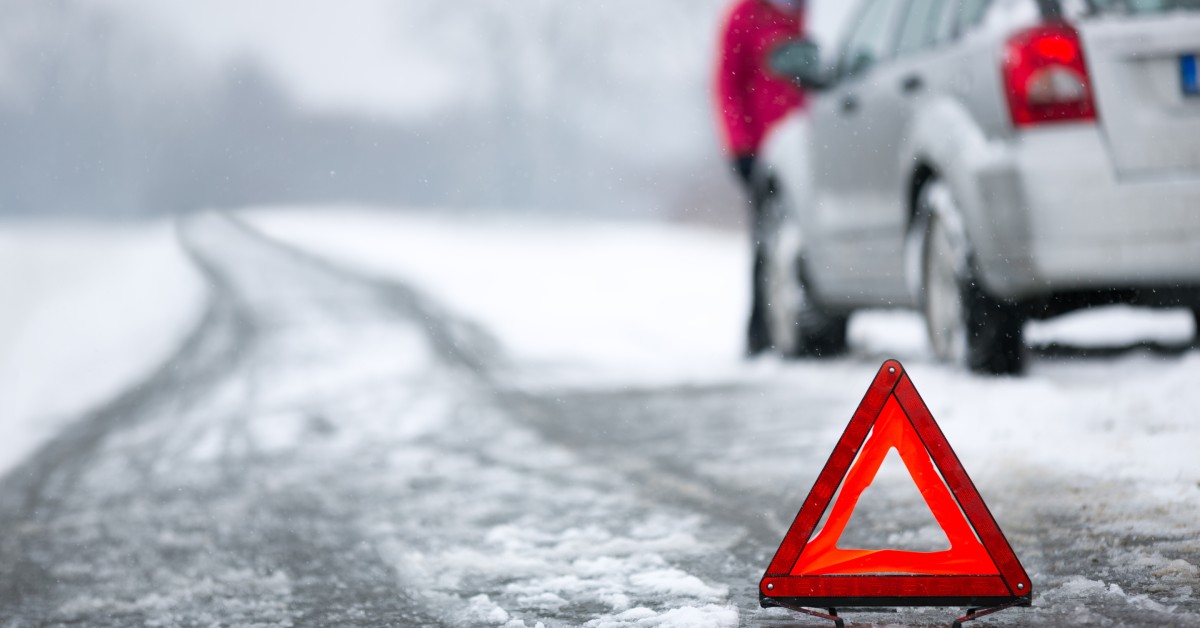
Even with a perfectly maintained car, unexpected situations can happen. Being prepared with a winter emergency kit can turn a potential crisis into a manageable inconvenience. If your car breaks down, having this kit in your trunk ensures you have essential supplies in an emergency.
Your kit should include:
Having these items on hand provides a safety net, giving you the tools to either get back on the road or stay safe and warm while waiting for help.
Taking the time to winterize your car is a crucial step for any driver, especially those who rely on their vehicles for daily commuting. Combining these maintenance steps with a well-stocked emergency kit ensures you’re prepared for whatever comes your way this winter.
Stay safe on the road this winter by keeping your vehicle in top condition. Efficient driving and proactive maintenance not only enhance safety but also extend your car’s life.
If you need new tires this winter, come to RNR Tire Express. Our expert team can help you find the best tires for your vehicle. Shop our catalog to find exactly what works for you and your budget.
By signing up you agree to our Privacy Policy.