Safety Tips
|
Aug 9, 2019
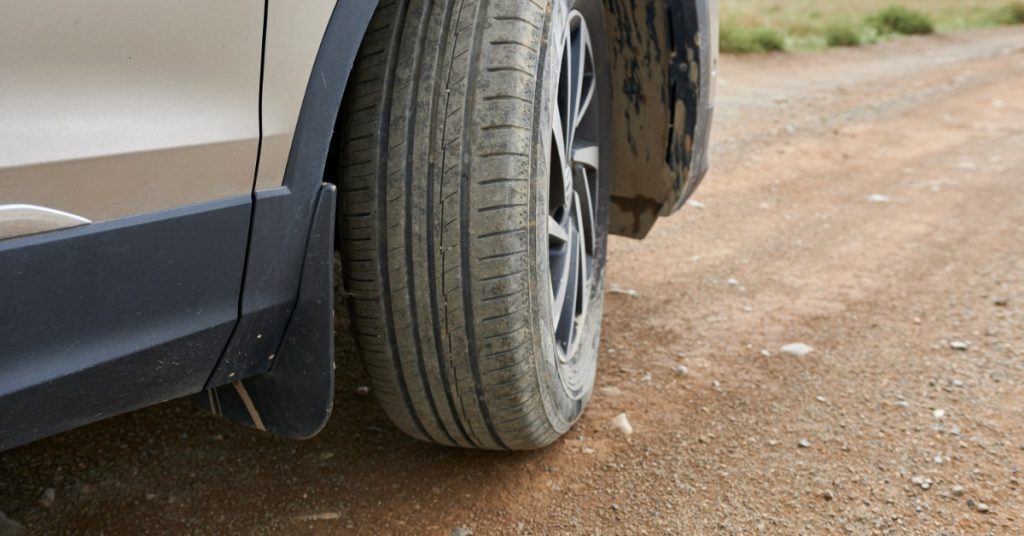
Older vehicles demand more attention to tire safety. Aging suspension components, steering systems, and braking systems place additional stress on tires. Worn bushings and shocks create uneven pressure across the tread. Drivers who stay proactive with tire care protect both their vehicle and everyone on the road.
Many older vehicles lack the advanced traction control and stability systems found in newer models, so your tires play a primary role in your vehicle’s control. Consistent tire maintenance, along with other helpful safety tips for older vehicles, reduces the risk of blowouts and sudden loss of control.
Tread depth tells only part of the story for older vehicles. Rubber compounds break down over time, even if the tread looks acceptable. Heat cycles, sunlight, and environmental exposure accelerate deterioration. Drivers should check the tire’s DOT code to confirm the manufacturing date.
Most manufacturers recommend replacing tires after six years, regardless of mileage. Sidewall cracks, hard rubber, and small splits indicate aging. Older vehicles often sit unused for extended periods, which speeds up dry rot. Replacing aging tires restores flexibility and improves overall traction.
Correct tire pressure supports safe handling and predictable braking. Older vehicles often lack tire pressure monitoring systems, so manual checks remain essential. Drivers should use a quality gauge at least once per month. Pressure levels must match the vehicle manufacturer’s recommendation, not the number on the tire sidewall.
Temperature shifts affect tire pressure more dramatically than many drivers realize. Cold weather reduces air pressure, while heat increases it. Underinflated tires generate excess heat and wear unevenly. Overinflated tires reduce contact with the road and compromise grip.
Uneven tread wear signals mechanical concerns that older vehicles commonly experience. Misalignment, worn suspension parts, or unbalanced tires create irregular patterns. Drivers should visually inspect each tire for cupping, feathering, or excessive wear on one edge. Early detection prevents more expensive repairs down the road.
A smooth, even tread surface indicates healthy performance. Vibration at highway speeds often indicates an imbalance or alignment issue. Older steering components can quickly magnify these symptoms. Addressing tire wear patterns early protects both safety and long-term vehicle value.
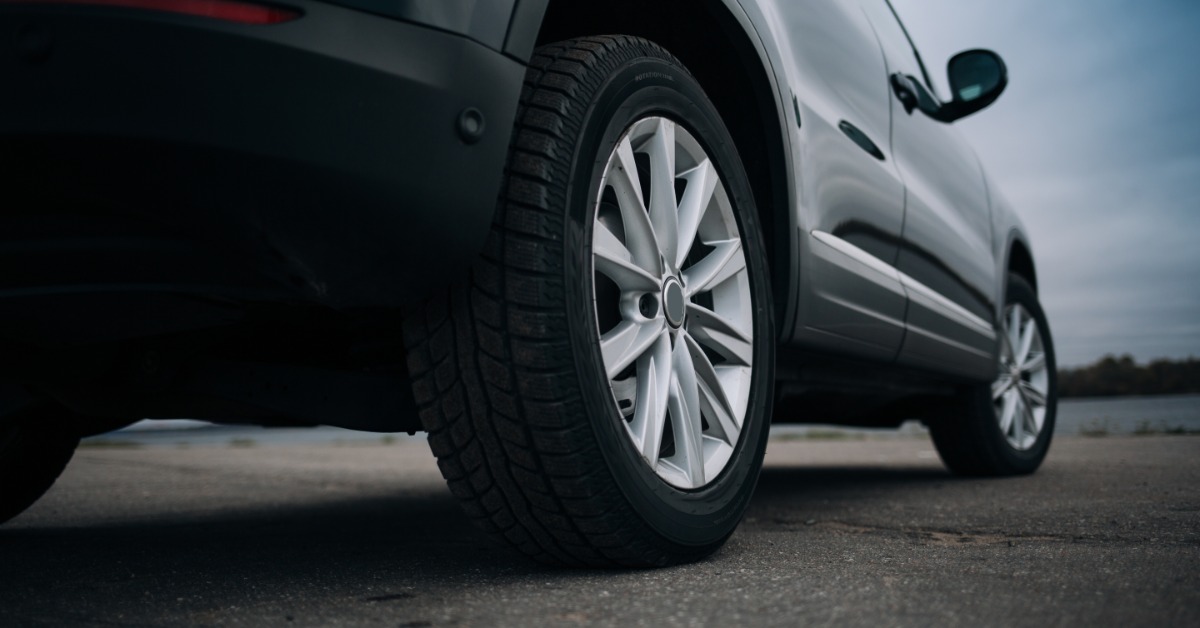
Regular tire rotation extends tread life and promotes balanced handling. Front tires on older vehicles often wear faster due to steering and braking forces. Rotating tires every 5,000 to 7,000 miles helps distribute wear evenly. Consistency matters more than waiting for visible problems.
Drivers who follow a rotation schedule reduce strain on aging suspension systems. Even tread depth improves braking response and cornering stability. Rotation also provides an opportunity for professional inspection. A trusted service center can identify hidden concerns before they escalate.
Older vehicles sometimes carry heavy cargo or aftermarket accessories that increase weight. Each tire has a load index that indicates the maximum weight it can safely support. Installing tires with the correct load rating protects the vehicle’s structure and suspension. Ignoring load capacity risks overheating and structural tire failure.
Drivers who frequently haul equipment should verify specifications before purchasing replacements. Overloading tires causes sidewall stress and excessive flex. That stress weakens internal construction over time. Choosing the proper tire ensures reliable performance under real-world driving conditions.
Dry rot presents a serious safety concern for older vehicles. Sun exposure, ozone, and fluctuating temperatures break down rubber compounds. Small cracks along the sidewall or between tread blocks indicate deterioration. Drivers should never ignore visible cracking, even if tread depth appears strong.
Vehicles parked outdoors face higher exposure to UV damage. Covered parking and routine cleaning help slow the aging process. Tire protectant products designed for automotive use can offer additional protection. Prompt replacement remains the safest solution once cracking appears.
Wheel balance and alignment play a major role in tire safety. Older vehicles often develop alignment issues as components wear. Misalignment reduces fuel efficiency and accelerates tread wear. Drivers should schedule alignment checks at least once per year.
Balanced tires eliminate vibration and promote even road contact. Technicians use specialized equipment to correct weight distribution. Smooth rotation improves comfort and reduces strain on suspension parts. Proper alignment and balancing also extend the lifespan of new tires.
Replacing all four tires at the same time ensures consistent traction. Mixed tread depths create handling differences, especially in wet conditions. Older vehicles without advanced stability systems depend heavily on balanced grip. Matching tires improve predictable performance during emergency maneuvers.
If budget constraints limit full replacement, you should install new tires on the rear axle. Rear traction stabilizes the vehicle during braking and cornering. Consistent brand and tread pattern selections also matter. At RNR Tire Express, we provide tires in Lubbock that fit both performance needs and payment options.
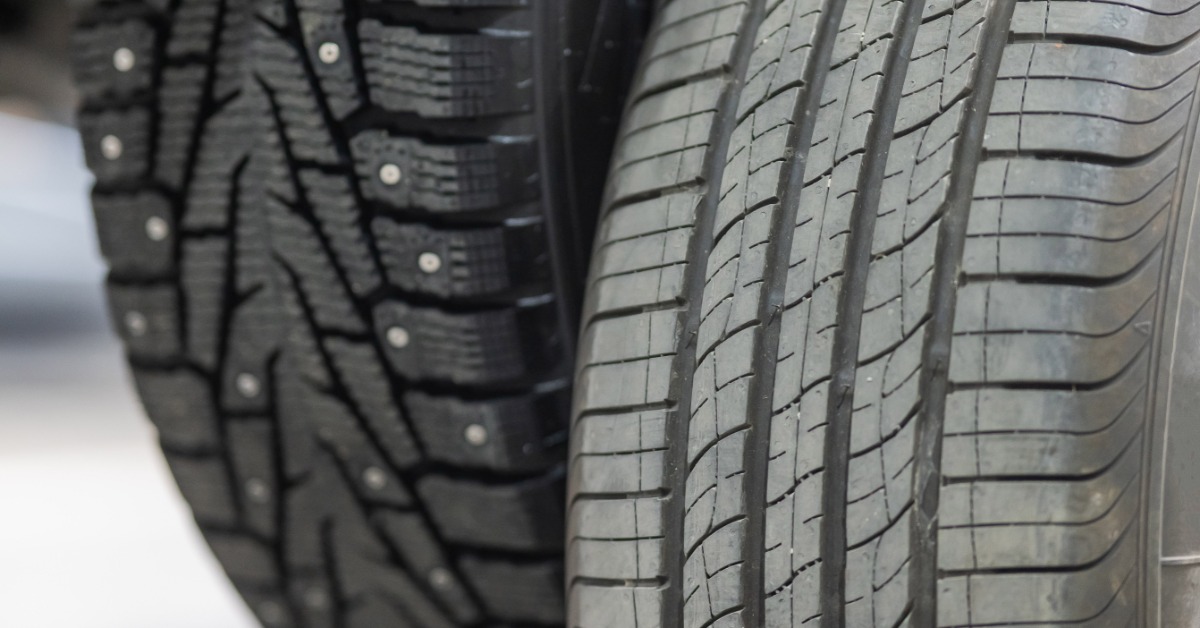
Drivers of older vehicles benefit from frequent visual tire checks. A quick walkaround can reveal nails, bulges, or embedded debris. Catching damage early often allows for safe repair instead of full replacement. Routine inspection also builds awareness of gradual wear changes.
Make visual inspections part of monthly vehicle maintenance. Look for cuts, punctures, and irregular tread patterns. Check valve stems for cracks or looseness. Small observations prevent larger safety risks.
Consistent habits strengthen long-term tire performance for older vehicles. Drivers who stay proactive reduce unexpected breakdowns and costly repairs. Incorporate these safety practices into a regular routine:
Each action supports safer driving and extends tire lifespan. Small efforts today prevent major failures tomorrow. Drivers who follow these steps maintain better control in all weather conditions.
Older vehicles deserve dependable tire performance. Investing in quality brand-name tires improves braking, handling, and ride comfort. Cheap, low-grade options often wear quickly and compromise safety. Drivers should focus on durability, correct sizing, and proper load ratings.
Professional installation ensures correct mounting and balancing. Skilled technicians verify fitment and confirm safe operation. RNR Tire Express offers a complete line of brand-name tires and wheels designed to meet everyday driving needs. Their team provides straightforward payment options that help drivers stay safe without financial strain.
Tire safety directly influences how an older vehicle performs each day. Proper maintenance supports smoother rides, shorter stopping distances, and improved fuel efficiency. Drivers who monitor tire age, pressure, and wear patterns reduce preventable risks. Consistent care builds confidence behind the wheel.
RNR Tire Express remains committed to serving customers with strictly automotive expertise. Their team helps drivers choose reliable tires and maintain safe performance year-round.
Visit your local RNR Tire Express location to explore quality options and flexible payment options designed for real-world budgets. Safe tires make roads safer, especially for vehicles that have already traveled many miles.
By signing up you agree to our Privacy Policy.