Wheels
|
Jul 1, 2019
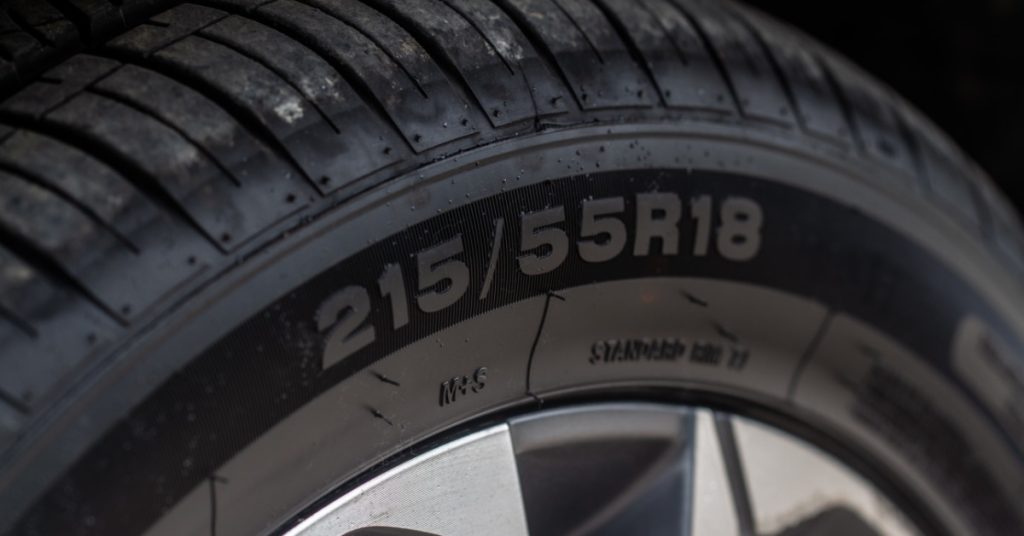
Wheel size shapes how your vehicle feels every time you accelerate, turn, or roll over a rough patch of road. Drivers frequently focus on appearance first, but wheel diameter, width, and offset all influence comfort and control. The right size depends on how you drive, what you drive, and the road conditions you deal with most frequently. Below, we explain how wheel size affects ride quality and vehicle performance.
Wheel diameter usually gets the most attention because it’s easy to see. Moving from a smaller wheel to a larger wheel typically means using a lower-profile tire to keep the overall tire diameter close to factory spec. That change affects how the vehicle absorbs bumps.
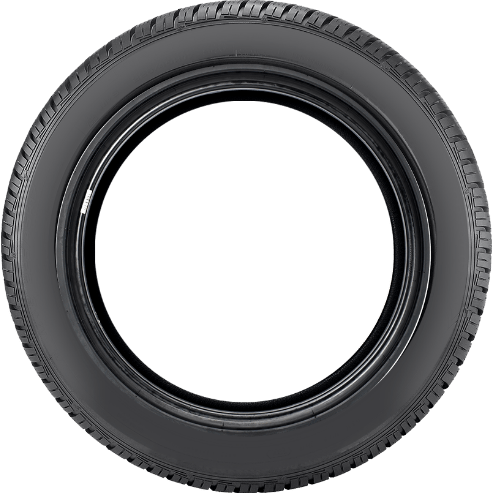
The tire sidewall acts like a flexible buffer between the wheel and the road. A taller sidewall compresses and rebounds over cracks, potholes, and expansion joints, which can smooth out harsh impacts. When you increase wheel diameter and reduce sidewall height, you remove some of that cushion.
You feel the difference most on uneven pavement, gravel, and worn city streets. Impacts can feel sharper, and the cabin can pick up more vibration. Drivers who prioritize comfort often prefer smaller wheels with a slightly taller sidewall for that reason.
Smaller wheels typically allow a tire with a taller sidewall, and that helps the tire give more under load. That extra flex reduces harshness and can lower the risk of wheel damage when you hit a pothole. If you deal with rough roads, frequent construction zones, or unpredictable pavement edges, you may appreciate that additional forgiveness.
A taller sidewall also helps protect the wheel lip. That matters when you park near curbs or navigate tight lots. You still need the right load rating and proper air pressure, but the sidewall gives you a slightly larger margin.
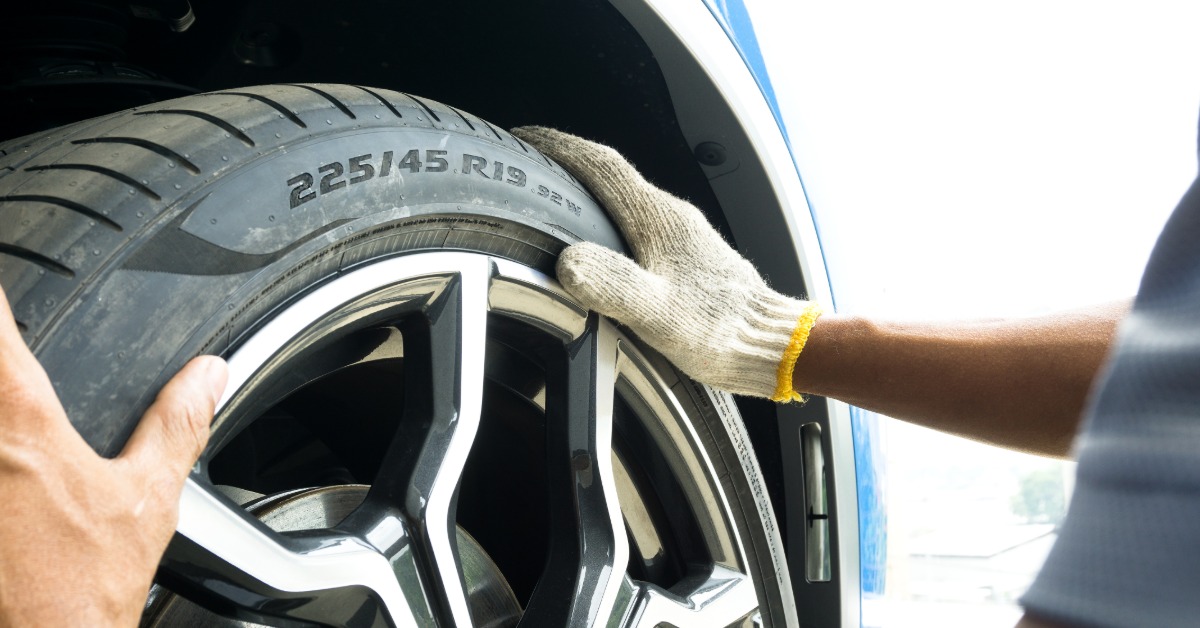
As you can see, wheel size directly affects ride quality, but it also plays a big role in vehicle response and performance. Drivers frequently describe the difference as sharp versus soft. That sensation comes from sidewall flex, tire construction, and wheel weight working together.
A shorter sidewall flexes less during cornering. This can make steering feel more immediate, especially in quick transitions. Many drivers like more direct feedback, and performance cars typically come with larger wheels for that reason.
That benefit shows up most during spirited driving or emergency maneuvers. You can feel the front end respond faster when you make a rapid lane change. The tradeoff shows up when the road gets rough because the tire cannot absorb imperfections as easily.
A taller sidewall can feel slightly slower to react because the tire flexes before it fully sets into a corner. That doesn’t automatically mean worse handling, but it can feel less crisp. On rough pavement, that flexibility can help the tire maintain contact with the surface instead of skittering over bumps.
Drivers who prioritize predictable behavior on imperfect roads usually like a bit more sidewall. The vehicle can feel calmer when the surface changes mid-corner.
Wheel size typically affects weight, and weight affects performance. Wheels, tires, brakes, and suspension components make up unsprung weight, which the suspension must control directly. When unsprung weight increases, the suspension works harder to keep the tire planted.
A heavier wheel-and-tire package can make bumps more noticeable because the suspension has more mass to manage. The tire can lose contact with the road more easily over sharp impacts, which can reduce grip in certain situations. You may also notice slower suspension response, especially on washboard-like surfaces.
Many larger aftermarket wheels weigh more than factory wheels, but that isn’t always true. Some premium wheels reduce weight through stronger materials and smarter design.
Reducing rotating mass can help your vehicle accelerate and slow down more efficiently. The drivetrain has less inertia to overcome, and the brakes have less rotating weight to manage. Steering can feel more responsive, too, especially at lower speeds where quick inputs matter.
This is one reason two-wheel setups with the same diameter can feel totally different. A lightweight 18-inch wheel can outperform a heavy 17-inch wheel in real-world feel.
Wheel diameter is only one part of the equation. Wheel width influences what tire widths you can run safely and how the tire sits on the wheel. That affects the contact patch, cornering support, and how the tire wears.
A wider tire can increase grip in certain conditions, especially in dry weather, because it can put more rubber on the road. That can improve cornering and braking performance when the compound and tread design support it. Wider tires can also change steering feel and make the vehicle track more strongly along road grooves.
At the same time, wider tires can hydroplane more easily in heavy rain if the tread design and speed don’t match the conditions. They can also increase rolling resistance, which can reduce fuel economy. You should match the width to your vehicle’s power, weight, and typical driving environment.
Wheel width needs to match the tire’s recommended range. If you stretch a tire too much, you reduce sidewall support and risk poor bead seating. If you squeeze a wide tire onto a narrow wheel, you can make the sidewall bulge and cause vague handling.
Proper fitment also supports even tread wear. When the tire sits correctly, the tread contacts the road as it should under load. This keeps the vehicle predictable and helps you get full value from your tires.
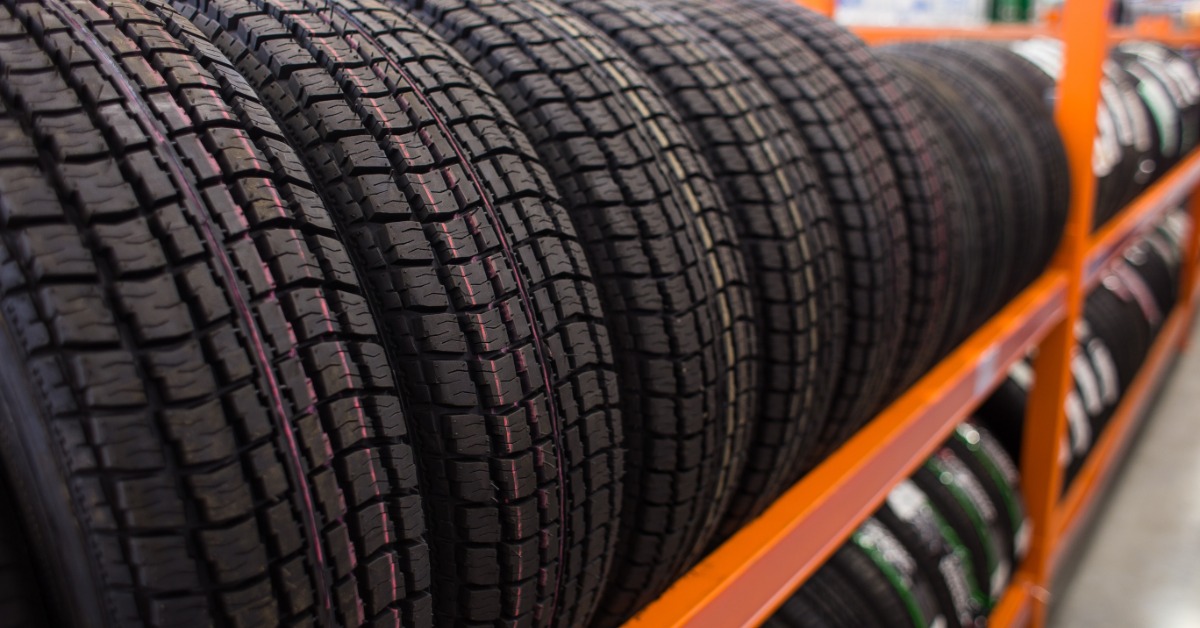
When you change wheel size, you should pay close attention to overall tire diameter. If the overall diameter changes significantly, your speedometer and odometer can become inaccurate. You can also change how the vehicle accelerates because you effectively alter gearing.
If you increase the overall tire diameter, the vehicle travels farther per rotation. That can reduce engine RPM at a given speed, which sometimes feels smoother on the highway. It can also make acceleration feel softer because the drivetrain must move a taller effective gear.
You get the best results when you align wheel size with your priorities. Comfort-focused drivers usually benefit from moderate wheel sizes and a bit more sidewall. Performance-focused drivers usually accept a firmer ride for quicker response and a sportier feel.
If you’re shopping for tires in Gulfport, RNR Tire Express can help you compare wheel and tire combinations that match your ride quality goals and your performance needs. We’ll check fitment, recommend the right size for your vehicle, and walk you through flexible payment options so you can get on the road with confidence.
By signing up you agree to our Privacy Policy.