Tires
|
May 30, 2019
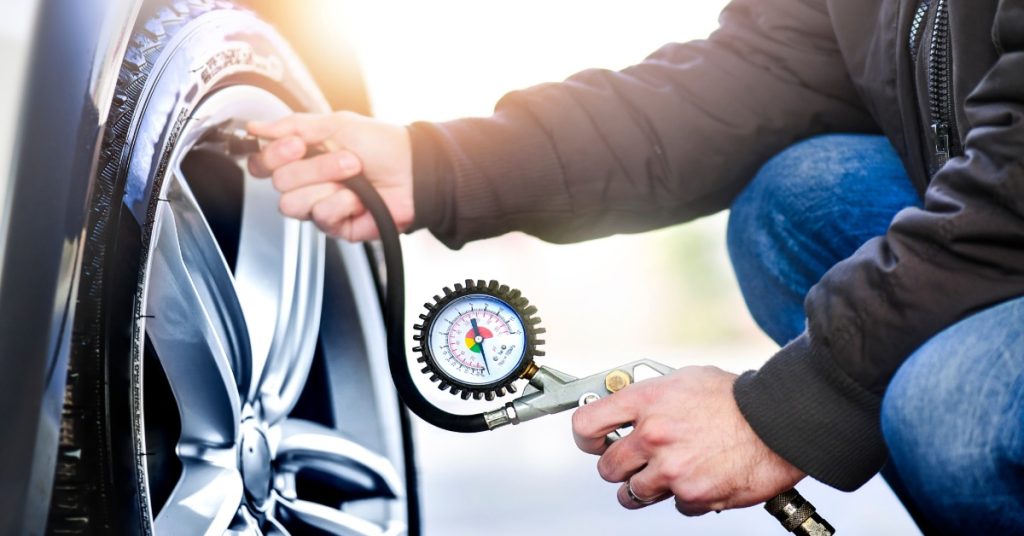
Tire pressure directly affects safety, performance, and fuel efficiency. Every vehicle manufacturer provides a recommended PSI range for optimal performance. Drivers can find this information on the driver’s door placard or in the owner’s manual. Maintaining that recommended pressure ensures balanced handling and even tread wear.
Many drivers check pressure after noticing a warning light or visible underinflation. They often add too much air in an attempt to “fix” the problem quickly. This reaction creates new performance issues, reducing traction and comfort. Proper inflation requires accuracy, not guesswork. Let’s explore whether overcorrecting tire pressure can cause problems and how to properly maintain tire pressure.
Overcorrecting tire pressure leads to overinflation, which changes how the tire contacts the road. The center of the tread bears most of the vehicle’s weight. This uneven contact reduces the tire’s footprint and limits traction. Drivers may notice harsher rides and increased sensitivity to steering input.
Overinflated tires also wear down faster in the center of the tread. That premature wear shortens overall tire lifespan. Replacing tires sooner increases long-term vehicle expenses. Consistent overinflation also increases vulnerability to impact damage from potholes or road debris.
Properly inflated tires maintain balanced road contact during acceleration, braking, and cornering. Overinflated tires reduce grip, especially during sudden maneuvers. Reduced traction increases stopping distances and limits control in wet conditions. That change creates serious safety concerns for daily drivers.
High tire pressure also stiffens the tire sidewalls beyond optimal limits. This stiffness reduces the tire’s ability to absorb road irregularities. Drivers feel more cabin vibration. Steering may feel overly responsive, leading to overcorrection while driving.
Tires act as the first cushion between the vehicle and the road. Overinflation reduces that cushioning effect. The vehicle absorbs more shock from bumps and rough pavement. This extra stress transfers directly to suspension components.
Struts, shocks, and control arms endure greater strain over time. Increased vibration can loosen hardware and accelerate wear. Drivers may face higher maintenance costs due to preventable strain. Proper tire pressure protects both the tires and the suspension system.
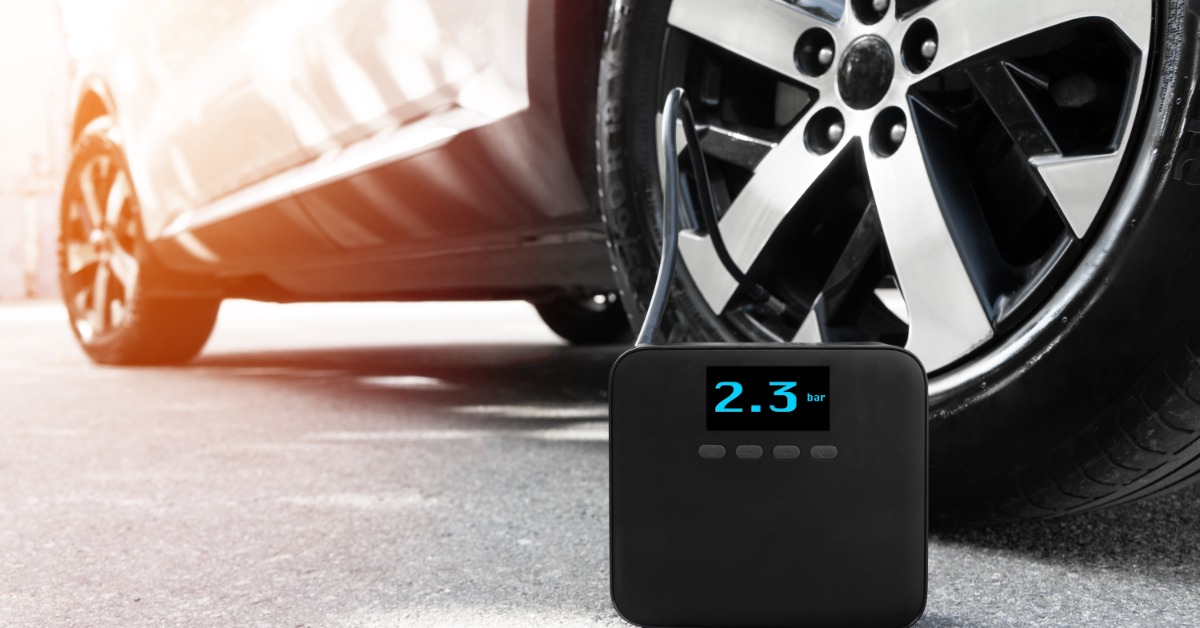
Many drivers believe higher pressure prevents blowouts. In reality, excessive pressure increases the risk of sudden tire failure. Overinflated tires cannot flex properly when hitting potholes or debris. The rigid structure makes them more prone to cracking or internal damage.
High heat also builds faster inside an overinflated tire. Heat weakens internal components and increases structural stress. Long highway drives amplify that effect. Correct PSI levels help regulate temperature and maintain durability.
Air expands when temperatures rise and contracts when temperatures drop. Seasonal shifts can cause significant changes in PSI without any manual adjustment. Drivers who overinflate on cold mornings may create excessive pressure on warm afternoons. This fluctuation increases wear and safety risks.
Regular pressure checks help prevent overcorrection. A quality tire gauge provides more accurate readings than visual inspection alone. Drivers should check pressure when tires remain cold for the most reliable measurement. Consistency matters more than reacting quickly.
Drivers often overlook subtle signs of overinflation. Paying attention to ride quality and tread patterns prevents long-term damage. Regular inspections help identify problems before they escalate. Recognizing these signs protects both performance and safety.
Addressing these issues early prevents uneven wear and costly replacements.
Some drivers assume adding extra air provides a safety buffer. That assumption creates unnecessary strain on tires and vehicle systems. Manufacturers calculate PSI recommendations based on weight distribution and suspension design. Deviating from those specifications disrupts that balance.
Correct tire pressure supports fuel efficiency and tread longevity. Overinflation reduces rolling resistance slightly but sacrifices traction and comfort. The trade-off rarely benefits everyday driving. Following manufacturer guidelines always delivers better long-term value.
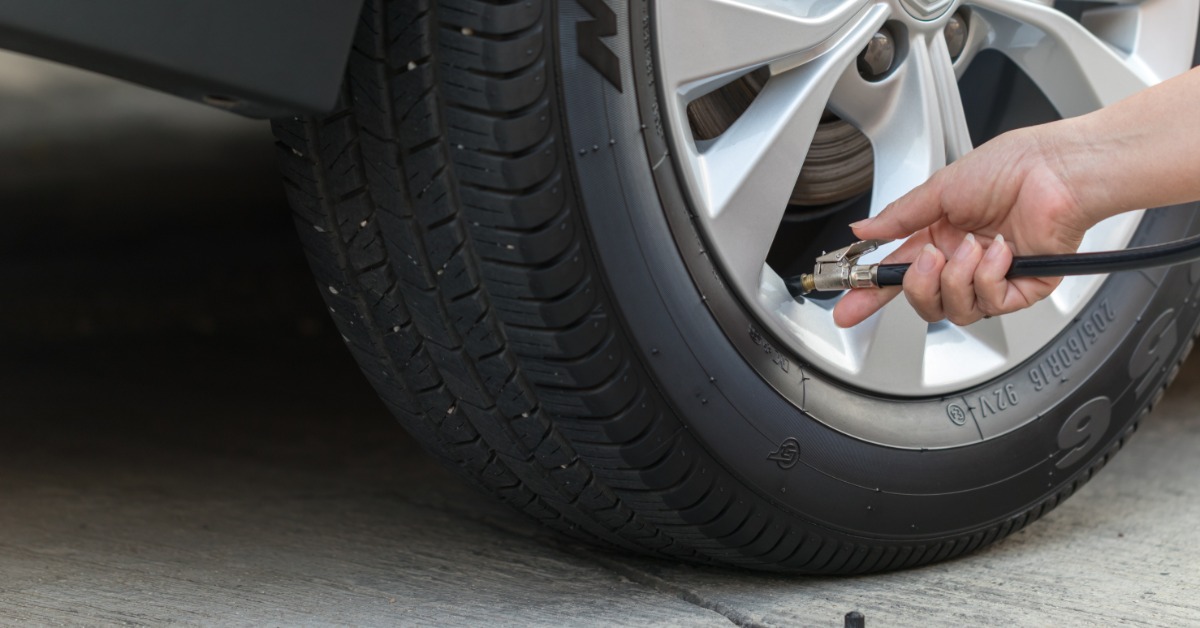
Routine inspections help drivers avoid common inflation mistakes. A trained technician checks pressure, tread depth, and alignment simultaneously. That comprehensive approach identifies hidden issues early. Consistent maintenance extends tire lifespan and improves safety.
Drivers in Clovis searching for reliable tires benefit from professional evaluations and accurate tire inflation. Expert service ensures proper PSI levels for specific vehicle types and driving habits. If you’re looking for tires in Clovis, come to RNR Tire Express to find the right options for your vehicle. We also provide quality tire care that protects both performance and investment.
Balanced tire pressure reduces uneven wear and prevents premature replacement. Drivers who maintain proper PSI avoid frequent tire purchases. Consistent inflation also protects suspension components from excess stress. Fewer repairs translate into lower overall ownership costs.
Correctly inflated tires improve braking efficiency and stability. That improvement enhances safety during emergency maneuvers. Maintaining the right pressure also preserves manufacturer warranties. Small maintenance habits produce measurable long-term financial benefits.
Drivers should check tire pressure at least once per month. Seasonal changes require more frequent monitoring. Always measure PSI when tires remain cold for the most accurate reading. Avoid inflating based solely on visual appearance.
Follow these simple practices for consistent results. Use a digital tire gauge for accuracy. Compare readings to the vehicle’s recommended PSI, not the maximum number on the tire sidewall. Adjust gradually and recheck after adding air.
Professional service locations like RNR Tire Express provide pressure checks and tire inspections as part of routine maintenance. Expert technicians help drivers understand proper inflation without guesswork. Reliable service supports safer driving and longer tire life. Consistent attention prevents costly overcorrection mistakes.
Overcorrecting tire pressure can absolutely cause problems. Overinflation reduces traction, increases uneven wear, and places added strain on suspension components. Drivers who attempt quick fixes often create larger issues that impact safety and performance. Precision and consistency remain the keys to proper tire care.
RNR Tire Express offers professional tire inspections, installation, and maintenance to keep vehicles performing at their best. Drivers can explore brand-name options with convenient payment options designed to fit different budgets.
If you’re looking for accurate inflation and expert guidance, we can help you protect your tire’s safety and long-term value. Schedule a visit today to ensure your tires perform exactly as they should.
By signing up you agree to our Privacy Policy.