Wheels
|
Jul 1, 2019
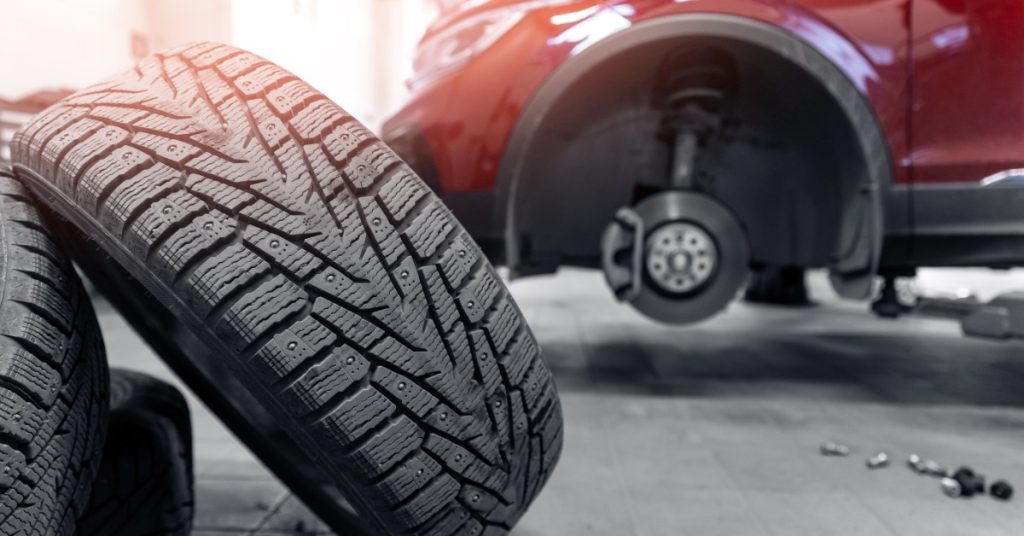
Wheels do more than hold tires. They support vehicle weight, keep your ride stable, and help your tires wear evenly. When a wheel bends, cracks, or corrodes, you can feel it in the steering wheel, hear it on the road, and see it in the way your tires behave. If you need to replace your vehicle’s wheels, the signs will manifest in various ways. Keep reading to explore the warning signs that you need to replace your car’s wheels.
A damaged wheel can create problems that look like tire or suspension issues. It can trigger vibrations, pull your steering off-center, and cause air loss that keeps coming back. Even if the vehicle still drives, wheel damage can reduce control in emergency maneuvers and increase stress on related parts.
Replacing a compromised wheel also protects your tires. A tire mounted on a bent or cracked wheel cannot seal correctly, and it will not roll true, which can shorten tire life.
A small vibration at 45 mph that turns into a shake at 70 mph points to a wheel that no longer spins evenly. Tire balance can cause a similar feel, but a bent wheel usually produces a more stubborn vibration that returns shortly after balancing. Pay attention to when the vibration shows up. If it changes with road speed rather than engine RPM, your wheels and tires deserve a closer look.
Alabama roads can surprise you with potholes and uneven seams, especially after storms. If you strike one and your steering wheel suddenly feels crooked or the car pulls to one side, you may have bent a wheel lip or shifted the wheel’s true center. A quick alignment check helps, but alignment alone will not fix a wheel that is physically out of round. If the impact felt sharp, treat it as a wheel inspection moment, not just an inconvenience.
A slow leak that keeps returning can come from the valve stem, the tire itself, or the bead seal where the tire meets the wheel. Corrosion, pitting, or a subtle bend on the rim flange can prevent a tight seal. If you repaired the tire and replaced the valve stem, and the tire still drops a few PSI every week, the wheel may be the real cause. A shop can test for bead leaks and confirm whether replacement is necessary.
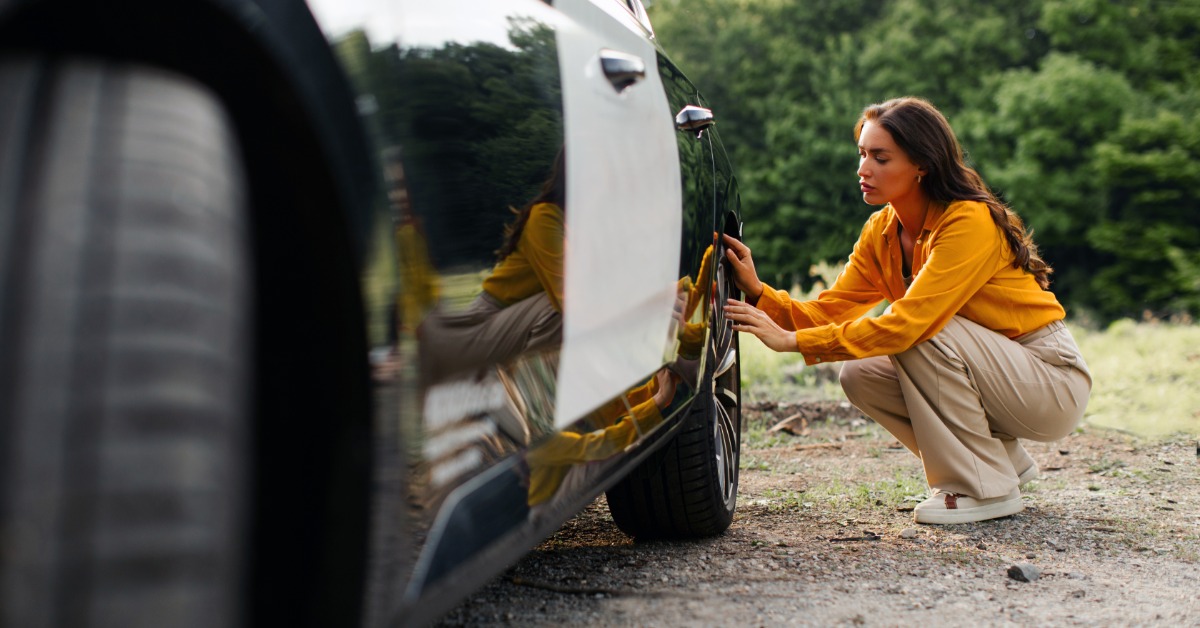
Cracks are not a watch-it-and-wait situation. Even a hairline crack can grow with every heat cycle and every bump. Cracks can form from impact, metal fatigue, or severe corrosion, and they may show up on the spokes, near the hub area, or along the inner barrel, where you cannot spot them easily. If you see a crack, stop driving on that wheel until a professional inspects it. Repair options depend on wheel type and crack location, but replacement is usually the safest path.
A bent rim lip may be obvious if the outer edge looks rippled or flattened. Sometimes the bend hides on the inner side, so the wheel looks fine from the curb but still causes vibration and air loss. You can sometimes spot this by turning the steering wheel to expose the inside edge of the front wheels and looking for a section that does not match the curve of the rim. Any visible deformation deserves a professional evaluation, even if the tire still holds air today.
Another sign you need to replace your car’s wheels is your vehicle pulling or feeling unstable, even after you get an alignment. A wheel with lateral runout can steer the tire slightly as it rolls, which can create a drift that feels like alignment drift. A wheel with damage can also make the vehicle feel loose at highway speeds, especially in crosswinds. If the car never settles, ask for a wheel runout check, not just a basic alignment.
Tires wear for many reasons, but wheel damage can be a silent contributor. A wheel that does not roll true can cause cupping, scalloping, or accelerated wear on one shoulder, and the pattern can come back even after rotation. If you replace tires and the new set starts developing the same unusual wear pattern early, you may be putting fresh rubber on a wheel that needs attention.
A rhythmic sound that repeats with wheel speed can signal a wheel issue. A crack can flex under load and create a faint ticking. A bent wheel can make a tire slap the pavement in a way that sounds like a thump. Loose lug hardware can also create a clicking sound, which becomes dangerous quickly.
Do not ignore a new sound that tracks with speed. It gives you a chance to catch a problem before it becomes a roadside event.
Alabama humidity, road spray, and seasonal grime can attack wheel finishes. Over time, corrosion can creep under the clear coat or paint and create pitting on the bead seat. That pitting disrupts the seal and leads to slow leaks and repeated pressure loss.
Cosmetic corrosion on the face is one thing. Structural corrosion on the inner barrel or bead area is another. If you see flaking, rough texture, or bubbling near where the tire meets the rim, take it seriously.
Lug holes should be round and clean. If they look stretched, chipped, or warped, the wheel may not center correctly on the hub. This can cause vibration, uneven clamping force, and loosening over time.
You may also notice the wheel does not sit flush when mounted, or you feel a wobble even with a balanced tire. These are signs of compromised wheel hardware interface, and replacement is the safest move.
You can correct some wheel issues, but not all damage belongs in the repair category. It may be possible to straighten a minor bend depending on the wheel material and the bend location. You also may be able to refinish a cosmetic rash or clean some corrosion.
Cracks, severe bends, and damage near the hub area usually justify replacement. Your safety depends on the wheel’s structural integrity, so a qualified inspection matters before deciding.
When wheels deteriorate, the warning signs show up in how your vehicle drives, how your tires wear, and how well your tires hold air. Replacing wheels at the right time helps you protect your tires, improve ride quality, and keep control where it matters most.
If you want a professional inspection and clear guidance in Alabama, visit our tire shop in Montgomery, AL. Our tire and wheel expert team can check your vehicle and confirm whether you need a replacement or a fix.
By signing up you agree to our Privacy Policy.