Safety Tips
|
Aug 9, 2019
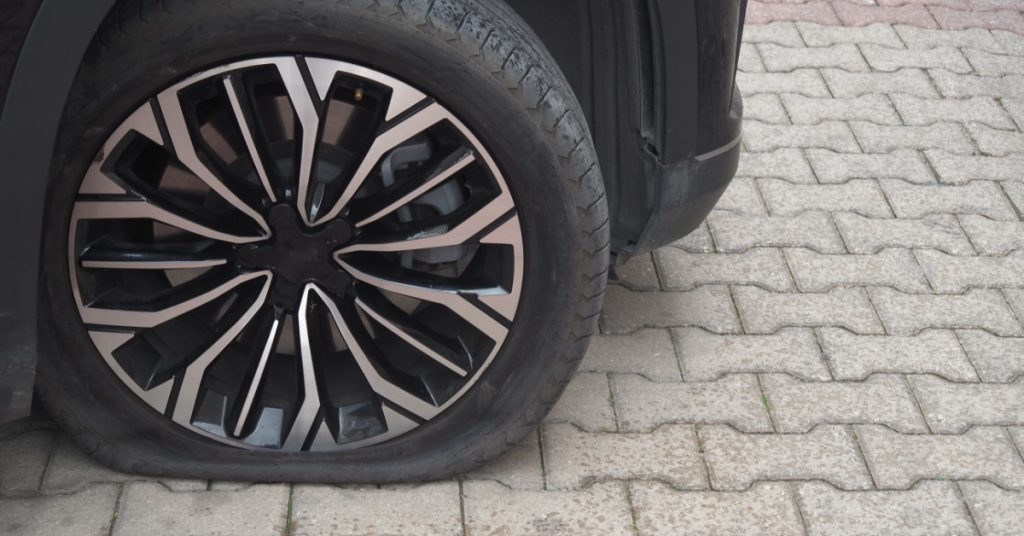
Drivers rely on tires to maintain traction, stability, and safe vehicle control. Tires endure constant stress from road conditions, temperature changes, and everyday driving habits.
Some tire issues can be repaired professionally, but certain types of tire damage are not repairable and permanently compromise the tire’s internal structure. Drivers must recognize these serious issues because continuing to drive on a damaged tire increases the risk of blowouts and loss of control.
Professional tire technicians evaluate damage carefully before recommending repair or replacement. Tire construction includes multiple layers of rubber, steel belts, and reinforcing materials that work together for durability and safety.
Not every tire issue qualifies for repair because safety standards limit what technicians can safely fix. Repairable damage typically involves small punctures in the tread area that remain within strict size limits. Larger damage or damage in sensitive areas compromises the internal structure and creates long-term safety risks. Tire professionals follow strict guidelines to protect drivers and prevent dangerous tire failures.
The sidewall, shoulder, and structural layers of a tire handle enormous pressure and stress during driving. Damage in these areas spreads quickly because the tire flexes constantly while supporting the vehicle. Even if a patch temporarily seals the tire, internal weakening continues to develop. For this reason, responsible tire shops recommend replacement when structural damage appears.
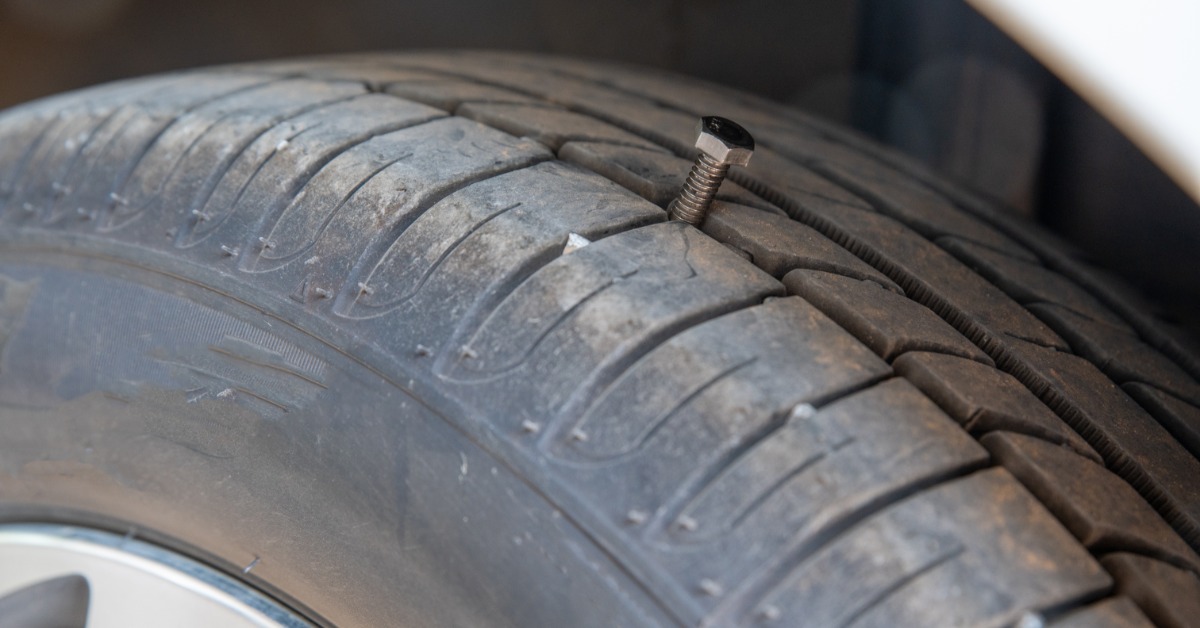
Small tread punctures sometimes receive safe repairs, but larger holes create permanent structural weakness. When an object such as a bolt or metal shard tears through the tire, the internal belts often suffer damage as well. A puncture larger than about one-quarter inch usually prevents safe repair. Technicians cannot restore the internal integrity of the tire once the belts sustain damage.
Large punctures also allow moisture and debris to reach the tire’s internal layers. Water exposure leads to corrosion of steel belts and further weakening of the structure. Even if the outer rubber appears intact, hidden damage continues to develop inside the tire. Replacement becomes the safest solution when punctures exceed repair limits.
The sidewall supports the tire’s shape and absorbs constant flexing during driving. Unlike the tread area, the sidewall contains fewer reinforcing layers and experiences continuous bending with every rotation. Any puncture, tear, or crack in this area compromises the entire tire. Tire repair methods cannot restore the strength required for safe sidewall performance.
Driving on a damaged sidewall increases the risk of sudden tire failure. The weakened area expands as air pressure pushes outward against the tire walls. Over time, the damage spreads and creates a dangerous blowout risk. Tire professionals always recommend replacement when sidewall damage appears.
A bulge or bubble on the tire surface indicates internal structural failure. Impact from potholes, curbs, or road debris often breaks internal cords inside the tire. Air pressure then pushes outward and creates a visible bubble in the rubber surface. This condition signals that the tire’s internal reinforcement has already failed.
A tire with a bubble cannot safely remain in service. The weakened area continues expanding until the tire bursts under pressure. Repairs cannot restore broken internal cords or separated layers. Immediate replacement prevents dangerous blowouts and protects drivers from sudden tire failure.
Tread separation occurs when the outer rubber tread detaches from the internal belts. Excessive heat, aging tires, and manufacturing defects sometimes cause this dangerous condition. Drivers often notice vibrations, unusual tire noise, or visible lifting of the tread surface. Once separation begins, the tire structure deteriorates quickly.
A separated tread dramatically reduces traction and vehicle stability. The detaching rubber can also strike surrounding vehicle components while driving. Repair methods cannot reattach the tread securely to the internal structure. Tire replacement remains the only safe solution when tread separation occurs.
One small puncture in the tread often receives safe repair under professional guidelines. Multiple punctures located close together weaken the structural integrity of the tire. Each puncture damages reinforcing belts and reduces the tire’s ability to distribute weight evenly. Repairs cannot restore strength when several damaged areas overlap.
Closely spaced punctures also increase the likelihood of air leakage and uneven pressure distribution. A tire with multiple damaged sections struggles to maintain consistent performance during driving. Tire technicians often recommend replacement rather than risking structural instability. This approach ensures drivers maintain safe traction and vehicle control.
Sharp objects on the road sometimes slice deeply into tire rubber. Deep cuts often reach the reinforcing cords or steel belts beneath the surface. Once internal layers sustain damage, the tire loses its ability to support normal driving loads. A patch or plug cannot repair internal structural tears.
These cuts also widen gradually as the tire flexes during driving. Even a small tear can spread across the tire surface under constant pressure and heat. This progression weakens the tire further with every mile traveled. Tire replacement prevents sudden failure caused by expanding structural damage.
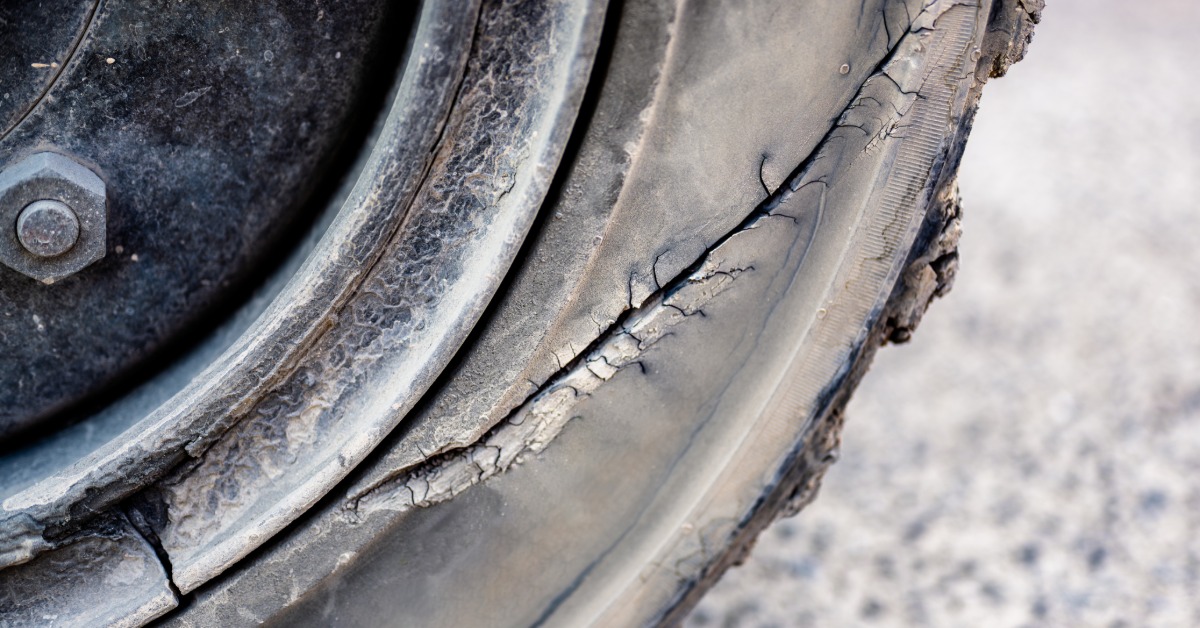
Rubber compounds naturally degrade over time due to sunlight, oxygen exposure, and temperature changes. Older tires often develop cracks known as dry rot across the surface and sidewalls. These cracks weaken the tire’s ability to handle pressure and road stress. Even if tread depth appears adequate, aging tires become unsafe for continued use.
Dry rot spreads gradually as rubber loses flexibility and strength. Cracked tires may fail suddenly under normal driving conditions. Repair techniques cannot reverse rubber deterioration once aging begins.
Drivers sometimes struggle to determine whether tire damage requires repair or replacement. A professional inspection provides the most accurate answer when tire safety becomes uncertain.
Drivers who notice any major issues should schedule an inspection promptly. Tire professionals evaluate the condition carefully and recommend the safest course of action. Reliable service centers help drivers maintain safe traction and dependable vehicle performance.
Routine tire inspections help identify damage before it becomes dangerous. Trained technicians examine tread depth, sidewalls, air pressure, and internal structural integrity. This inspection process allows professionals to detect hidden damage that drivers might overlook. Early detection prevents unexpected tire failures and improves overall vehicle safety.
Many drivers visit a trusted tire shop for installation, balancing, and alignment services. A qualified team also evaluates whether damaged tires still qualify for safe repair. Drivers looking for tires in Laredo often rely on RNR Tire Express for expert inspections and dependable tire replacement solutions. Our technicians help customers choose reliable tires that match their driving needs and budgets.
Drivers can reduce the risk of severe, unrepairable tire damage by practicing consistent tire care. Proper inflation levels protect tires from excessive stress and overheating. Regular tire rotations also distribute wear evenly and extend tire life.
Routine maintenance keeps tires performing safely across thousands of miles. Drivers who inspect their tires regularly notice warning signs early and address issues quickly. Professional service from RNR Tire Express ensures tires remain safe, reliable, and ready for everyday driving. Contact us today for an inspection or tire replacement.
By signing up you agree to our Privacy Policy.