Tires
|
May 30, 2019

A flat tire can ruin your day in minutes. One moment your vehicle feels normal, and the next you hear a thump, feel a pull, or see a warning light on your dashboard. Flat tires happen for many reasons, and some of them have nothing to do with bad luck.
If you understand the most common causes of a flat tire, you can avoid them better and catch minor issues early before they become serious problems. Keep reading to learn more about flat tires and their causes.
A tire loses air when something breaks the seal that holds pressure inside. That can happen because of a puncture to the tread, damage to the sidewall, a valve stem failure, or a broken seal on the wheel. In some cases, the air loss happens fast. In others, it starts as a slow leak that gets worse over time.
Many drivers assume a flat tire comes from one dramatic event, like running over a nail. That does happen, but flats also come from worn-out tires, road hazards, poor maintenance, and damage that builds up little by little. Knowing the difference can help you respond before a small issue becomes a roadside problem.
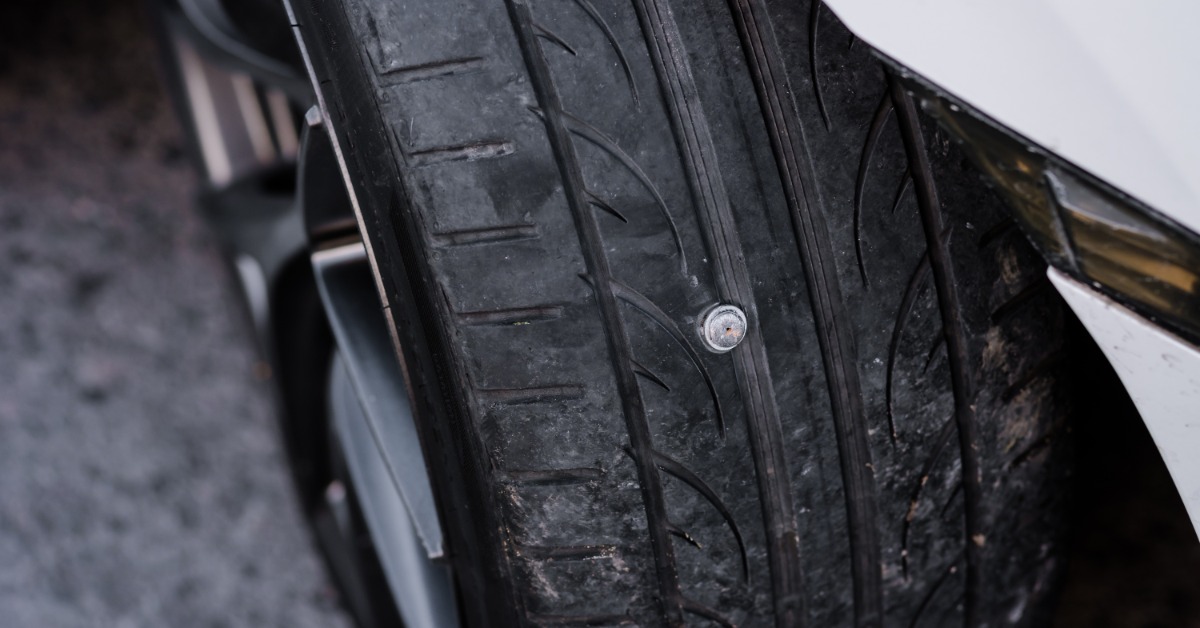
One of the most common causes of a flat tire is a puncture in the tread. Nails, screws, broken glass, and metal scraps on the road can work their way into the rubber and create an air leak. Construction zones, parking lots, shoulders, and rough roadside areas are common places for this type of damage.
Some punctures cause a rapid loss of pressure, but many start as slow leaks. You may not notice anything right away except that one tire needs air again a few days later. If you keep driving on a tire with a puncture without checking it, the leak can grow, the tire can wear unevenly, and the damage may reach a point where repair is no longer possible.
Potholes can do more than make your ride uncomfortable. When your tire hits a deep pothole or a hard edge, the impact can pinch the tire against the wheel. That can damage the sidewall, bend the wheel, or break the internal structure of the tire.
Road hazards like curbs, broken pavement, and debris can cause similar problems. In some cases, you may see a bulge in the sidewall after an impact. That bulge means internal damage to the tire and requires immediate attention. A tire with sidewall damage is not something you should ignore, because it becomes much more likely to fail while driving.
A tire with worn tread has less protection against road hazards. As the tread gets thinner, the tire becomes more vulnerable to punctures and damage. Low tread also reduces traction, which makes it harder to stop and steer safely in wet Mississippi weather.
Age matters too. Even if a tire still has visible tread, the rubber can weaken over time. Heat, sunlight, and changing temperatures all affect the rubber compound. As a tire ages, it can crack, dry out, and lose flexibility.
Incorrect tire pressure is another major reason tires fail. A tire without sufficient inflation creates too much contact of the rubber against the road. That creates excess heat and puts extra stress on the sidewalls. Over time, that stress can cause damage and air loss.
Overinflation creates a different problem. A tire with too much air becomes stiffer and less able to absorb impact from rough roads. That makes it more vulnerable to punctures and impact damage. Checking your tire pressure regularly is one of the simplest ways to extend tire life and reduce the risk of a flat.
The valve stem is the small part where air goes into the tire. It seems minor, but it plays a major role in holding pressure. A crack or damage to the valve stem causes air to leak out, even when the tire itself is still in good shape.
Valve stems can wear down with age, or normal driving can damage them. Dirt, corrosion, and contact with road debris can all contribute to failure. Because the leak may be small at first, drivers sometimes miss it until the tire is visibly low. A professional inspection can quickly determine whether the tire, the valve stem, or both need service.
Your tire seals to the wheel at the bead. If that seal becomes compromised, air can escape around the edge of the tire. Corrosion on the wheel, dirt buildup, or a bent rim can all cause bead leaks. This issue is especially common when a vehicle has older wheels or has taken a hard hit from a pothole or curb.
Wheel damage does not always stand out right away. You may notice frequent low pressure in the same tire or feel vibrations while driving. A bent wheel or corroded sealing surface means the tire may not hold air the way it should. In that case, simply adding air will not solve the root problem.
Every vehicle and every tire has a load limit. When you carry more weight than your tires can support, you create extra stress and heat. That strain increases the chance of a flat, especially on long drives or hot days.
Overloading can happen during moves, road trips, work use, or hauling gear and equipment. Even if the tire does not go flat right away, the internal damage can build up over time. Overloading weakens a tire can cause a failure later under normal driving conditions.
Good tire care goes a long way. Check your tire pressure regularly, inspect your tread and sidewalls for damage, and rotate your tires on schedule. Avoid potholes when possible, and do not ignore changes in the way your vehicle handles.
It also helps to have your tires and wheels inspected by professionals who can spot damage you may not see on your own. A trained team can check for punctures, worn tread, leaks, wheel damage, and pressure issues before they become bigger problems. That kind of preventive care helps you stay safer and keeps your vehicle ready for daily driving in Mississippi.
Flat tires can come from punctures, potholes, worn tread, pressure problems, valve stem issues, wheel damage, and simple neglect. The good news is that many of these problems show warning signs before they leave you stuck on the side of the road. When you pay attention to those signs and keep up with tire care, you give yourself a better chance of avoiding trouble.
If you think one of your tires is losing air or showing signs of damage, visit our tire shop in Vicksburg, MS, for a professional inspection and dependable service. When you need help from a trusted tire expert, the team at RNR Tire Express is ready to help you find safe, quality tires that fit your vehicle and your budget.
By signing up you agree to our Privacy Policy.