Maintenance
|
Jul 23, 2019
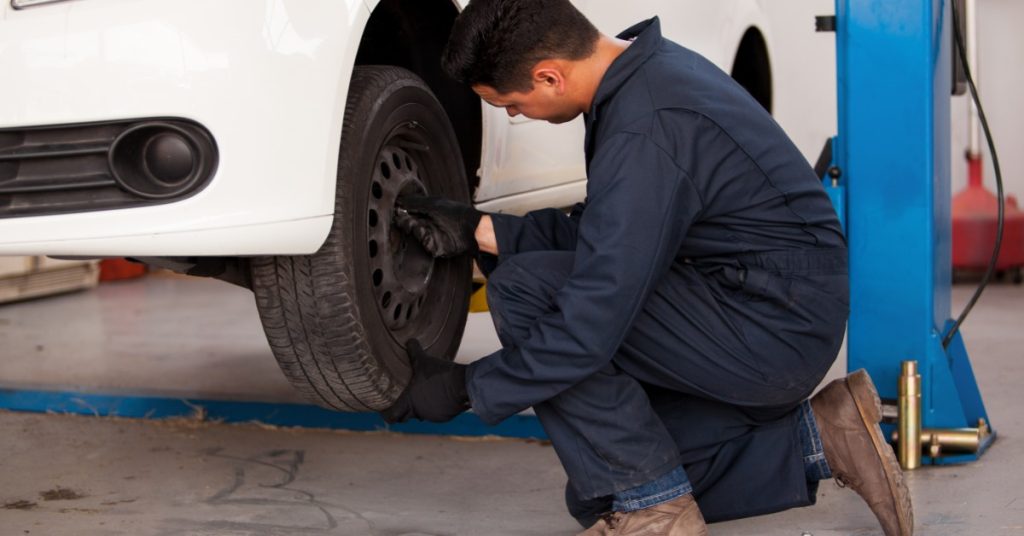
Tire rotation is one of the simplest parts of vehicle maintenance, but it plays a big role in how your tires wear, how your vehicle drives, and how long your set of tires lasts. When drivers skip tire rotations, they may not notice a problem right away. The trouble builds over time as the tires wear at different rates and the vehicle starts to respond differently on the road.
For drivers in Mississippi, that can become a real issue. Daily commutes, highway driving, rough pavement, and long stretches of hot weather can all add stress to your tires. Below, we’ll explain what can happen to your car if you don’t rotate your tires.
Your tires do not all wear in the same way. Each position on your vehicle carries weight differently and handles steering, braking, and acceleration in its own way. On many vehicles, the front tires wear faster because they manage most of the steering and a large share of the braking force. On some rear-wheel-drive and all-wheel-drive vehicles, wear patterns can shift for different reasons, but the main point stays the same: one set of tires can wear down faster than another.
A tire rotation moves each tire to a different position, so tread wear stays more even across the full set. That helps your tires last longer and gives you a smoother, more balanced driving experience. When drivers skip this service, uneven wear starts to build and create larger problems.
When you don’t rotate your tires, the tread wears unevenly. This means some tires lose tread depth faster than others, and in some cases, one edge of a tire may wear down more than the rest of the surface.
Uneven tread wear can shorten the life of your tires by forcing you to replace them sooner than expected. Instead of getting full value from the whole set, you may end up with two tires that still have usable tread and two that need immediate replacement. That mismatch can affect performance and make future maintenance decisions more difficult.
If you skip tire rotations long enough, your vehicle may stop feeling as smooth as it once did. Unevenly worn tires can create vibrations, road noise, and a rougher ride. At first, the difference may seem minor. Over time, it can become harder to ignore.
Many drivers notice a humming sound or a slight shake in the steering wheel. In some cases, the vehicle may feel unsettled at highway speeds. These symptoms do not always come from tire rotation neglect alone, but missed rotations can contribute to the problem by allowing wear patterns to become more severe.
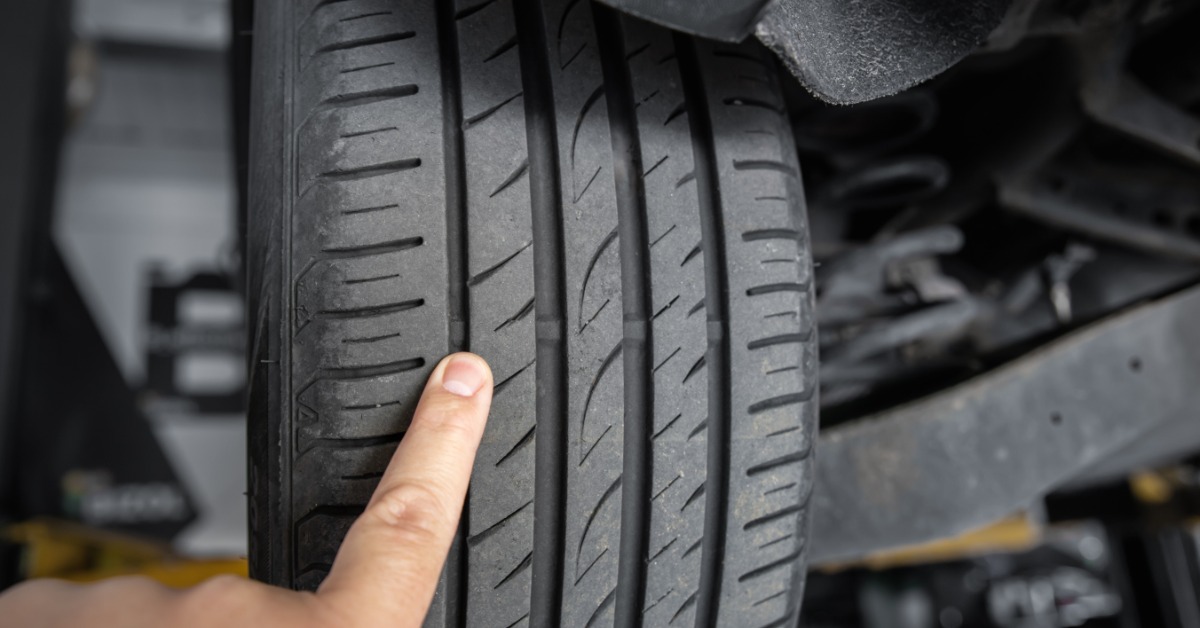
Tires play a direct role in how your vehicle responds to steering input. When tread wear becomes uneven, handling can start to feel less precise. You may notice slower response in turns, reduced stability, or a feeling that the vehicle does not track as cleanly as it should.
This matters in everyday driving and in sudden situations. If you need to make a quick correction or avoid debris in the road, you want your tires to respond in a predictable way. Uneven wear can reduce that confidence and make the vehicle feel less planted.
Good tread depth is important for stopping power. When tires wear unevenly, braking can become less consistent because not all four tires are gripping the road with the same strength. That can affect stopping distance and reduce the sense of control behind the wheel.
In dry conditions, the issue may show up as a weaker braking feel or instability during hard stops. In wet conditions, it can become more serious because worn tread has a harder time channeling water away from the tire. That increases the chance of reduced traction when you need it most.
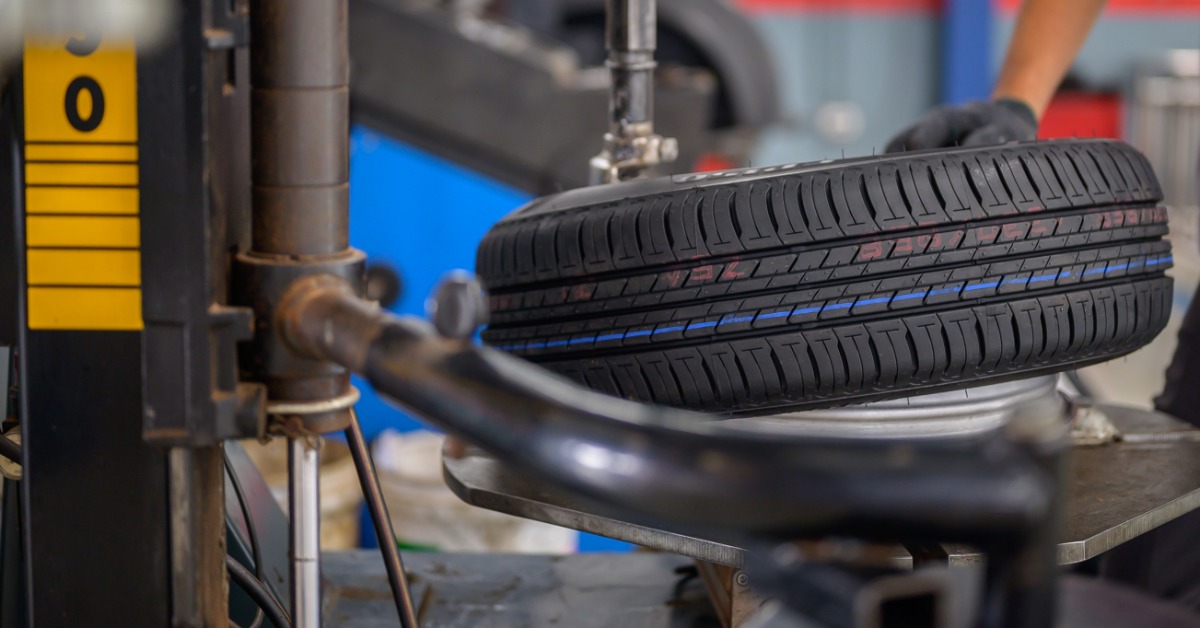
One of the highest costs of skipping tire rotations is premature tire replacement. Tires are a major purchase, and most drivers want to get the longest safe life possible from them. Regular rotation helps spread wear across the set so that one position does not take the full burden mile after mile.
Without rotation, certain tires may wear out far ahead of the others. That can force you to replace tires earlier than planned. In some cases, drivers replace only the worst two tires, but that does not always solve the larger issue if the remaining pair has worn in a different pattern.
When tires wear unevenly, it can hide or complicate other vehicle problems. A suspension issue or alignment problem may already be present, but if you are not rotating your tires regularly, the wear can become so pronounced that it is harder to tell where the problem began.
Routine tire service gives technicians a chance to inspect tread patterns and catch warning signs early. A strange wear pattern may point to inflation issues, alignment trouble, or worn suspension components. If a vehicle never comes in for rotation, those clues may go unnoticed until the problem becomes more expensive to fix.
Unevenly worn tires can create more rolling resistance, which means your vehicle may have to work harder to move down the road. While the difference may not seem dramatic at first, it can add up over time, especially if your tires are wearing poorly and your vehicle is no longer rolling as smoothly as it should.
When tires stay in better condition, the vehicle can operate more efficiently. That supports steadier performance and helps reduce unnecessary strain. Drivers who want to protect both their tires and their budget should not overlook this part of regular maintenance.
The exact timing can vary by vehicle and tire type, but many drivers rotate their tires around every 5,000 to 7,500 miles. A good rule is to ask for a rotation during routine service visits so that they become part of your regular maintenance schedule.
Your driving habits also matter. If you spend a lot of time on highways, drive long distances for work, or deal with rough road surfaces, your tires may need closer attention. The best approach is to follow your vehicle manufacturer’s guidance and have a professional inspect the tires if you notice uneven wear, vibration, or changes in handling.
Now that you know what can happen if you don’t rotate your tires, you’ll never want to skip a rotation again! Skipping a tire rotation can make it harder to catch alignment or suspension issues before they grow into larger repairs. A small service now can help you avoid bigger problems later.
If your vehicle is due for tire maintenance, visit RNR Tire Express, your trusted tire shop in Meridian, MS, to inspect and rotate your tires to keep your vehicle driving safely and smoothly. RNR Tire Express offers tires, wheels, and alignments, along with flexible payment options to fit different budgets and serve local drivers with a helpful, customer-first approach.
By signing up you agree to our Privacy Policy.