Safety Tips
|
Aug 9, 2019
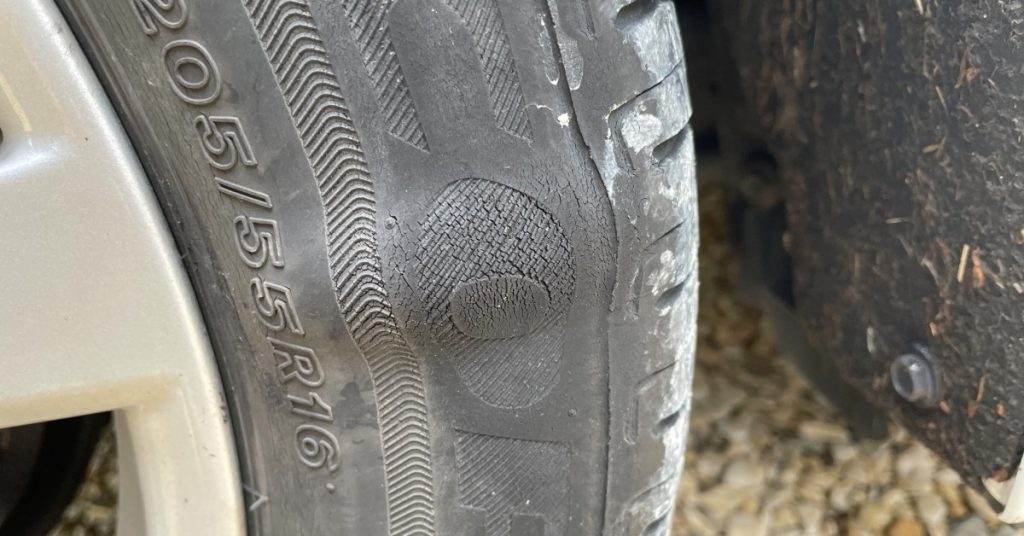
A bubble in your tire can show up without much warning, and it’s one of those problems drivers should never brush off. It may look small at first, but that raised spot isn’t just surface wear; it usually indicates damage inside the tire. Knowing what to do if there’s a bubble in your tire can help you avoid a breakdown and costly damage to your vehicle. The good news is that once you know what you are looking at, the next steps are pretty straightforward.
A tire bubble is a bulge that appears on the sidewall or shoulder of a tire after the internal structure experiences damage. The layers inside the tire hold pressure and maintain shape, but a strong impact can weaken or break them, allowing air to push outward and cause a visible bulge.
Potholes, curbs, road debris, and rough pavement are common causes because they can strike the tire hard enough to injure the sidewall from the inside. Low tire pressure can also make the sidewall more vulnerable by increasing flex and reducing the tire’s ability to absorb impact safely.
A tire bubble usually looks like a lump or blister sticking out from the side of the tire. It may be small and rounded or stretched, depending on where the damage occurred. In many cases, you’ll notice the bubble while walking around your vehicle. A good indicator is if the tire starts to look uneven from one angle, even if the tread still seems normal.
However, it’s important to note that a bubble can sit low enough where you may miss it unless the wheel is turned. If the tire feels wobbly and unstable on the road, it could also indicate a bubble in the tire. Any swelling on the sidewall should be treated as a sign that the tire needs immediate attention.
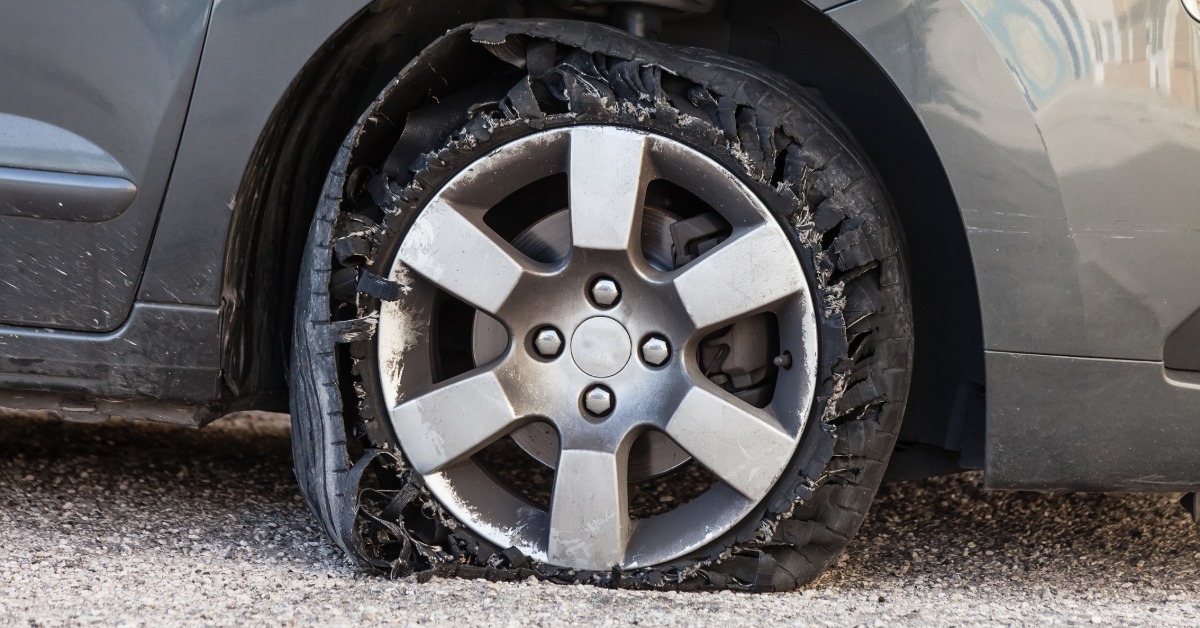
Driving with a bubble in your tire is unsafe because the damaged area is already weaker than the rest of the tire and can fail without much warning. Many factors, such as heat, road vibration, and vehicle weight, can weaken the spot every time the tire rotates. A bubble may look minor while the tire is still holding air, but the structural damage underneath can quickly lead to a blowout, especially at highway speeds or after another hard impact. The safest choice is to stop driving on the tire and have it inspected as soon as possible.
The first thing to do is to stop using the vehicle unless you have no safer alternative. If you discover the bubble while parked at home or at work, leave the car where it is until you can put on a spare or arrange for professional help. If you notice it while out on the road, reduce speed, avoid sudden turns or hard braking, and get to a safe place as soon as possible. The goal is to limit stress on the weakened tire.
Next, inspect the size and location of the bubble without touching or pressing on it. Take a photo for reference, especially if you need to explain the issue later. Check the other tires, too, since a hard pothole or curb strike can cause multiple problems at once. If you need help finding safe, affordable replacement tires in Pascagoula, MS, RNR Tire Express can help you move forward without having to guess at the next step.
In most cases, a tire bubble cannot be repaired safely. That is because the issue is inside the tire’s structure. A patch can help with certain punctures in the tread area, but it does not restore broken internal cords or sidewall integrity. Once the sidewall has been compromised enough to form a bubble, replacement is typically the proper solution.
That may feel frustrating if the tread still looks good, but sidewall damage is a different category of problem. A professional inspection can confirm the condition, but drivers should expect replacement over repair when a bubble is present.
A bubble in a tire usually cannot be repaired, so the cost depends on the price of replacing the damaged tire. Tire size, brand, tread type, and vehicle needs can affect what you may end up paying, and the final total can increase if the same impact also damaged the wheel or knocked the alignment out of spec.
Some drivers may need only one replacement, while others may be advised to replace more than one tire, depending on wear and vehicle setup.
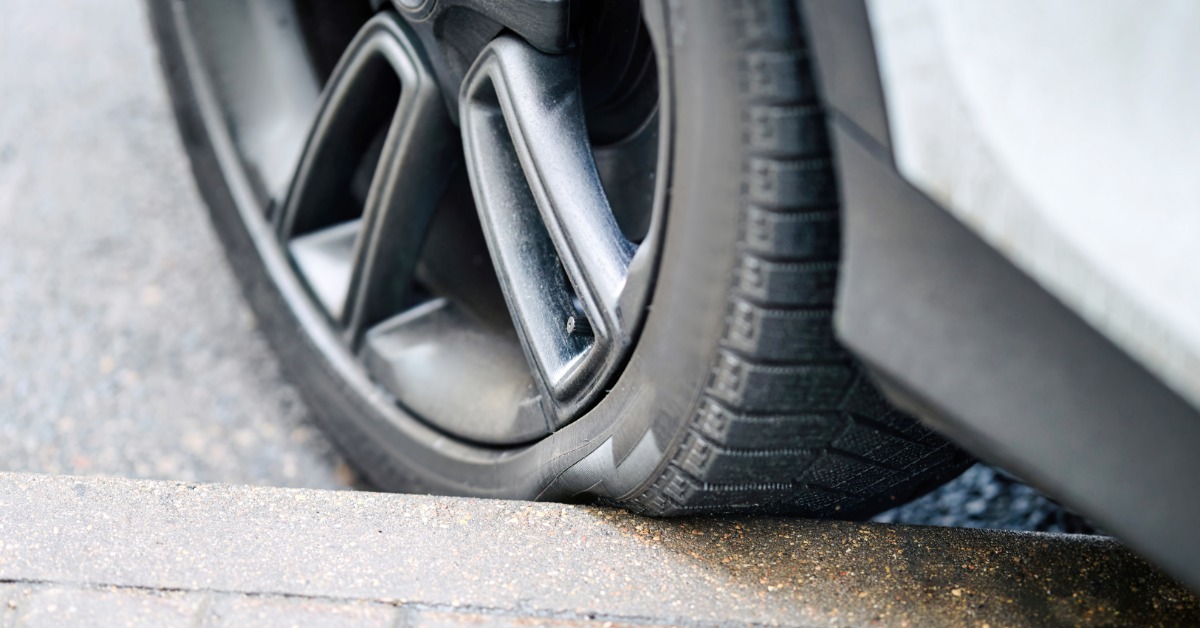
A tire bubble often forms in a split second, but a few good habits can reduce the chances of encountering one later, including:
When a bubble shows up in your tire, RNR Tire Express is ready to help you handle the next step with less stress. Our team can help you find the right replacement for your vehicle, answer your questions clearly, and walk you through payment options that fit your budget.
Instead of scrambling to figure everything out on your own, you can work with people who understand how urgent tire problems can feel and know how to make the process easier. RNR Tire Express is here to serve you with quality tires and support that gets you back on the road with confidence.
A bubble in your tire is one of those warning signs that you should always take seriously, no matter how small it looks. Knowing what to do if there’s a bubble in your tire puts you in a better position to protect your vehicle and your safety. Keep in mind what you learned here to avoid the unnecessary stress a tiny bubble in your tire can cause.
By signing up you agree to our Privacy Policy.