Safety Tips
|
Aug 9, 2019
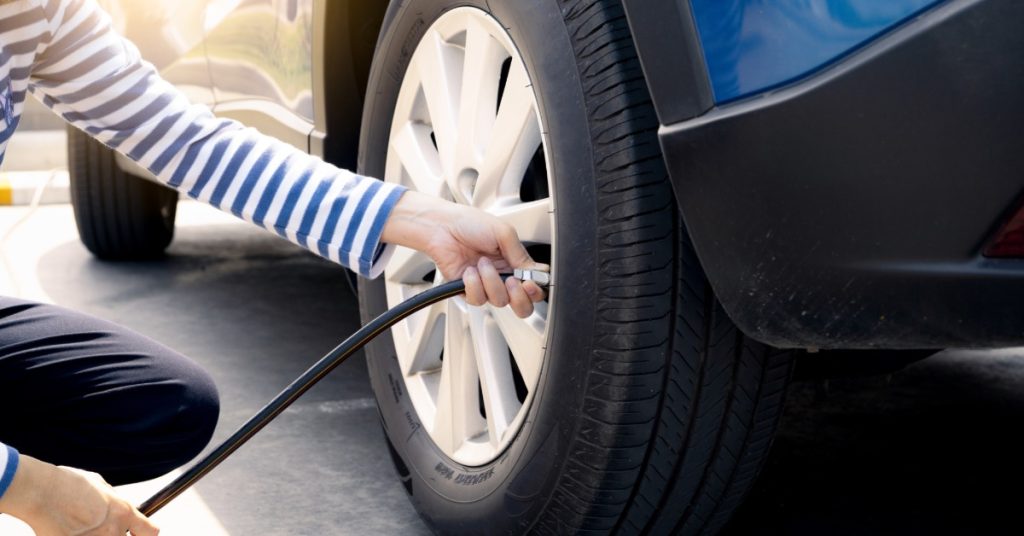
Proper tire pressure plays a critical role in vehicle safety and can affect performance and efficiency, yet many drivers overlook how often they should check it. Small changes in pressure can impact handling, fuel economy, and tire lifespan more than most people expect.
Understanding how often you should check your tire pressure helps prevent unnecessary wear and reduces the risk of unexpected issues on the road. Drivers who stay proactive with tire pressure checks can protect their investment and maintain a smoother, safer driving experience.
Tire pressure directly affects safety, fuel efficiency, and tire lifespan on every vehicle. Drivers who ignore proper inflation risk damaging their tires and increasing the likelihood of poor handling. Consistent pressure also helps maintain optimal traction in both dry and wet conditions. Regular checks prevent costly repairs and reduce the chance of sudden tire failure.
Maintaining proper tire pressure also improves overall driving comfort and vehicle stability. Underinflated tires create more rolling resistance, which forces the engine to work harder. Overinflated tires reduce the contact patch, which limits grip and control. Drivers who understand these impacts make smarter maintenance decisions and extend tire performance.
Drivers should check tire pressure at least once per month to maintain consistent performance. Seasonal changes and temperature swings can quickly alter pressure, even without visible signs. Checking the pressure before long trips helps ensure safer travel and better fuel economy. Consistency creates a reliable routine that prevents gradual pressure loss from going unnoticed.
Frequent checks become even more important during extreme weather conditions. Cold temperatures can reduce tire pressure overnight, while heat can increase it during long drives. Drivers who check pressure every two weeks during seasonal transitions maintain better control over tire health. This habit reduces risks and keeps tires performing as intended.
Drivers should always check tire pressure when tires are cold for the most accurate reading. Morning checks before driving provide the most reliable results. Driving even a short distance can increase internal tire temperature and raise pressure readings. Accurate measurements help ensure proper inflation levels.
Cold tire checks also allow drivers to adjust pressure with precision. Gas stations and tire shops often provide air pumps, but timing still matters. Checking pressure after a long drive can lead to over deflation if adjustments are made incorrectly. A consistent morning routine keeps readings accurate and dependable.
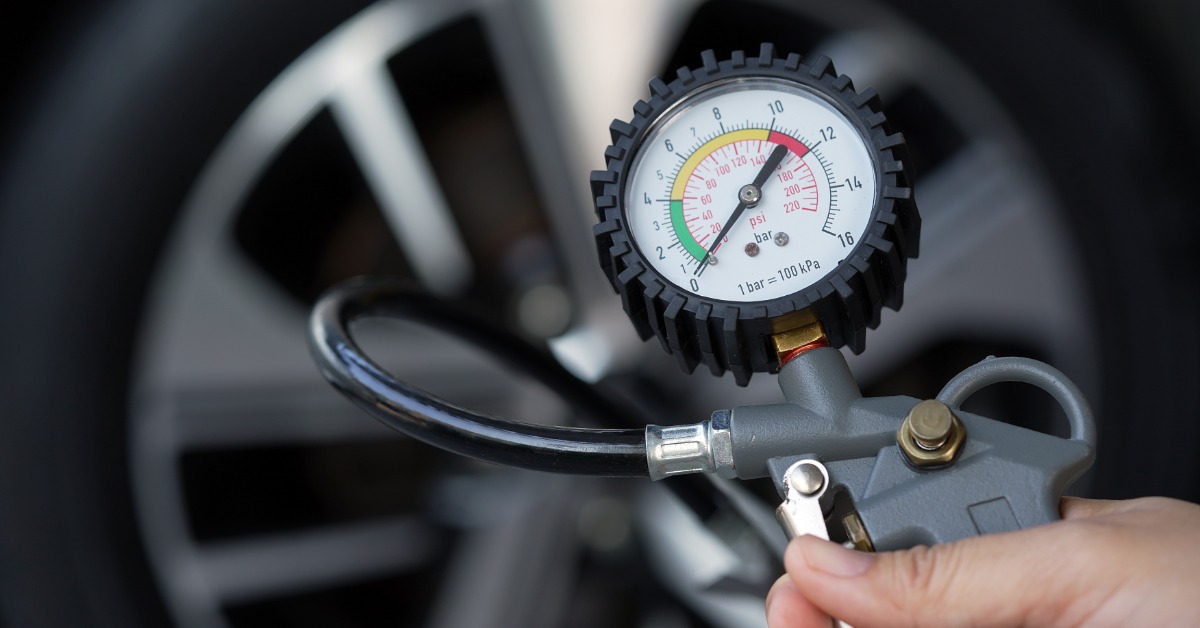
Drivers should watch for warning signs that indicate improper tire pressure. A tire pressure monitoring system (TPMS) light often signals a problem, but drivers should not rely on it alone. Visible tire sagging or uneven wear patterns also point to pressure issues. Immediate action prevents further damage and ensures safer driving conditions.
Handling changes can also indicate pressure problems before visible signs appear. Steering may feel sluggish, or the vehicle may pull to one side during acceleration. Braking distances can increase when tires are underinflated. Drivers who recognize these symptoms early can correct issues before they worsen.
Several factors influence how often drivers should check tire pressure. Temperature changes remain the most common cause of pressure fluctuation. Driving habits, load weight, and road conditions also play a major role. Drivers who frequently carry heavy loads should check pressure more often to maintain balance and stability.
Altitude changes can also impact tire pressure, especially during long road trips. Higher elevations can cause pressure differences that affect performance. Drivers who travel across varying terrains should monitor pressure more closely. Regular checks help adapt to these changes and maintain consistent tire function.
Checking tire pressure requires minimal tools but demands attention to detail. Drivers need a reliable tire pressure gauge and access to an air source. Following a consistent process ensures accurate results every time. Proper technique helps maintain tire safety and performance.
Drivers who follow these steps can quickly assess and adjust tire pressure without confusion. Consistency in this process builds confidence and prevents common mistakes. Accurate readings support better vehicle performance and safety. Routine checks become simple and efficient over time.

Seasonal changes require drivers to adjust how often they check tire pressure. Winter temperatures can cause pressure to drop quickly, sometimes overnight. Summer heat can increase pressure and lead to overinflation if left unchecked. Drivers who adapt their routine based on the season maintain better tire health.
Spring and fall bring fluctuating temperatures that create unpredictable pressure changes. Drivers should increase check frequency during these transitional periods. Consistent monitoring helps prevent sudden drops or spikes in pressure. This approach ensures stable performance throughout the year.
Professional inspections provide an added layer of safety and accuracy for tire maintenance. Tire technicians can identify issues that drivers may overlook during routine checks. Regular visits to a trusted tire shop help maintain optimal tire condition and extend lifespan. Expert guidance ensures proper inflation and alignment.
Drivers searching for quality tires in Corpus Christi can benefit from professional services that include pressure checks and tire evaluations. At RNR Tire Express, our skilled technicians use precise tools to measure and adjust pressure accurately.
Come visit our tire shop for routine inspections that can uncover hidden issues such as slow leaks or structural damage.
Maintaining correct tire pressure reduces fuel consumption and extends tire life. Underinflated tires increase rolling resistance, leading to higher fuel consumption. Proper inflation ensures even wear, which delays the need for replacement. Drivers who maintain pressure consistently avoid unnecessary expenses.
Long-term savings also come from reduced wear on suspension and braking components. Tires that maintain proper pressure support better vehicle balance and handling. This balance reduces strain on other systems and prevents premature wear. Smart maintenance habits translate into measurable financial benefits over time.
Drivers should create a consistent schedule for checking tire pressure to ensure long-term reliability. Monthly checks provide a solid baseline, while seasonal adjustments improve accuracy. Keeping a tire gauge in the vehicle makes it easier to stay consistent. Simple habits lead to better performance and fewer unexpected issues.
A strong routine also includes visual inspections alongside pressure checks. Drivers should look for uneven wear, cracks, or embedded debris during each check. Combining these practices creates a comprehensive approach to tire care.
Consistency ensures safer driving and maximizes tire longevity. Visit RNR Tire Express to ensure accurate tire pressure checks and receive professional support for your vehicle. Make tire care a priority and stop by today.
By signing up you agree to our Privacy Policy.