Maintenance
|
Jul 23, 2019
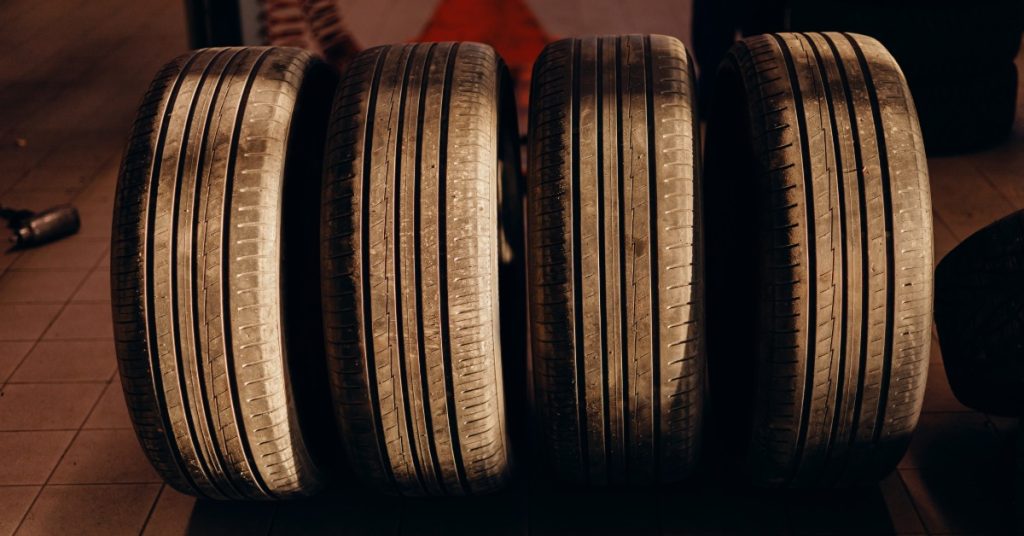
Tire problems do not always announce themselves with a flat or a blowout. More often, the early signs that your vehicle needs a tire rotation show up in how your vehicle responds during normal driving. Knowing what to watch for can help you maintain performance and keep your daily drive feeling more predictable.
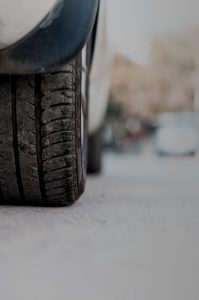
Uneven or patchy wear points to irregular contact between the tire and the road surface over time. One area of tread may look feathered, and another may feel smooth. Irregular wear patterns develop when tires remain in one position too long and repeatedly carry the same load. A rotation helps redistribute that workload before the pattern becomes more severe and harder to correct.
A vibration during normal driving can be a clue that one or more tires are no longer wearing evenly in their current position. Steering-wheel shake usually gets the most attention, but some drivers notice the movement through the seat or floor first. Roughness that seems tied to speed may develop as worn tread creates a less consistent contact patch. Tire balance and suspension issues can cause vibration, too, yet overdue rotation is still worth considering when ride quality starts to change.
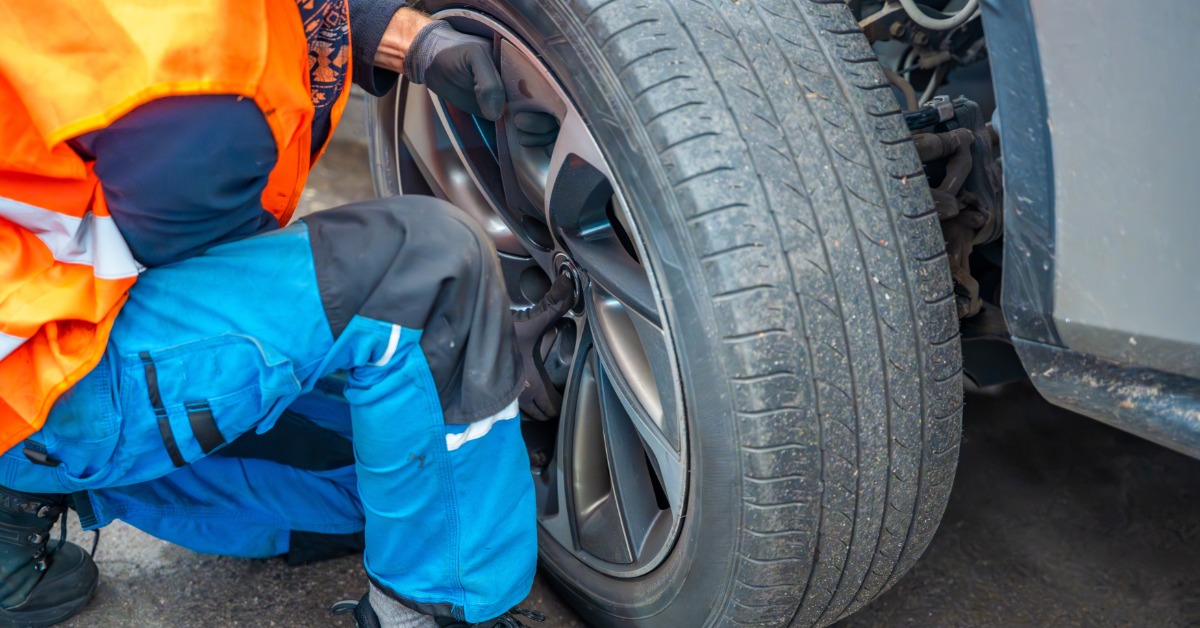
A vehicle that drifts to one side can feel tiring to manage, especially on longer drives. Different wear levels across the tire set can affect how each tire tracks and how the vehicle settles on the road. Mild pulling does not always mean an alignment problem is the only issue at play. Tire rotation can help when one pair of tires has spent too long doing the same job and has begun to affect the vehicle’s direction more than it should.
Reduced grip likely shows up before a tire looks fully worn out. A vehicle may feel less sure-footed in rain, during quick acceleration, or while turning through an intersection. Front and rear tires do not wear evenly, so keeping them in one place for too long can lead to uneven traction across the set. Rotation helps even out tire wear and how the tires meet the road, which supports a more stable and predictable feel when pavement conditions are less than ideal.
Changes in tire noise can signal wear issues even when the tread still looks usable at a glance. A whirring or humming sound usually develops when tread blocks wear in a pattern that creates more noise against the pavement. Sound changes are most pronounced at highway speeds or on roads where your vehicle once felt quiet and smooth. Tire rotation helps prevent some of those wear patterns from deepening, which can make the ride more comfortable and less distracting.
One tire needing air more often than the others deserves a closer look. Pressure changes can occur for several reasons, but uneven wear can create stress that causes one tire to behave differently from the rest of the set. Road conditions and repeated use in the same position can influence how a tire holds up over time. A rotation will not fix damage; however, it can reduce the imbalance that develops when each tire continues to carry the same load.
Comparing one tire to another can reveal a problem even when each tire looks acceptable on its own. Front tires may look noticeably more worn than rear tires, or one axle may appear to have less depth across both tires than the other. A visible difference across the set suggests the tires are aging at different rates instead of wearing down together. Rotation helps bring the set back into a more balanced pattern so one pair does not get used up first.
Fuel efficiency can drop when tires are not wearing evenly enough to roll as smoothly as they should. Extra resistance develops when tread patterns become inconsistent, requiring more effort to maintain the same performance. A small change in gas mileage does not seem dramatic right away, but it can add up over weeks of regular driving. Tire rotation supports a more uniform contact patch, which can help your vehicle move more efficiently mile after mile.
Braking performance depends on all four tires working together with consistent grip. Uneven wear can upset that balance and make the vehicle feel less stable at stops. Some drivers notice a slight shift in confidence before they notice any obvious handling issue. Hard braking on wet pavement can make the difference feel even more noticeable when one part of the set has less usable tread than another. Rotation helps keep the tires more evenly matched in performance, so stopping feels steadier and more controlled.
Mileage alone can be the most reliable clue of all. Many vehicles need a tire rotation every 5,000 to 7,500 miles, even when no obvious symptoms have shown up yet. Waiting until a problem becomes easy to feel usually means uneven wear has already had time to develop. Service intervals exist to help prevent those issues instead of reacting to them later. A quick check of your maintenance records can tell you whether your tires are simply due by time and distance.
Drivers who notice early changes to how their vehicle drives should not wait for problems to grow. RNR Tire Express helps drivers get the tires they need with straightforward service and payment plans that fit your budget. If you are shopping for tires in Ocean Springs, we can inspect your current set and help you decide whether a rotation or replacement makes the most sense. A local team makes it easier to protect tire life and keep your vehicle performing the way it should.
Ignoring small changes behind the wheel can shorten tire life faster than many drivers expect. Paying attention to the signs your vehicle needs a tire rotation is a smart way to protect your ride’s performance. When your vehicle starts feeling different on the road, visit RNR Tire Express and let our team help you stay ahead of uneven wear.
By signing up you agree to our Privacy Policy.