Maintenance
|
Jul 23, 2019
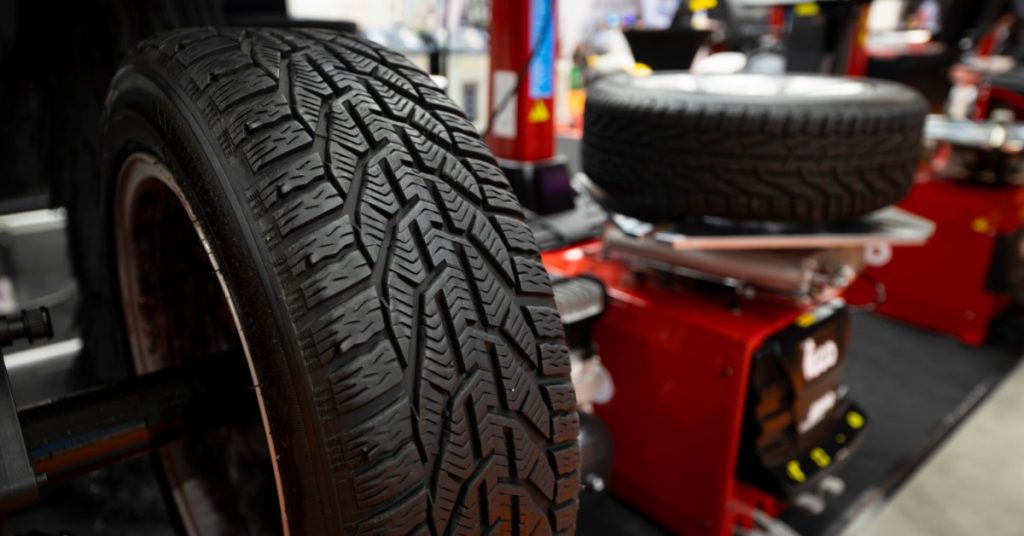
A vehicle can seem perfectly fine one day and feel strangely off the next, even when nothing obvious has changed. Small shifts in how your tires spin create a driving experience that feels unsettled long before a major issue appears. Knowing how to tell if your tires need to be balanced can help you catch the problem early and avoid extra wear on parts that should last longer. Drivers who pay attention to the small signs usually have a much easier time fixing the issue before it grows.
Tire balancing matters because each wheel-and-tire assembly needs to spin evenly to keep the vehicle riding smoothly. When weight is unevenly distributed, the tire can rotate with a slight wobble. Balanced tires help maintain a steadier ride and reduce unnecessary stress on the vehicle while supporting more consistent contact with the road.
An out-of-balance tire does not always create an immediate, dramatic symptom. In many cases, the problem begins with a faint vibration or a minor steering disturbance. Because the change can be gradual, many drivers adapt to it without realizing something is wrong.
The key detail is consistency. If the vibration repeatedly appears around the same speed range and fades when you slow down, balancing is a strong possibility. The ride may also feel bouncy on smooth roads where it should feel stable. Some drivers describe the sensation as a humming roughness that was not there before. Even when the vehicle still feels drivable, those clues usually mean the tires are no longer spinning evenly.
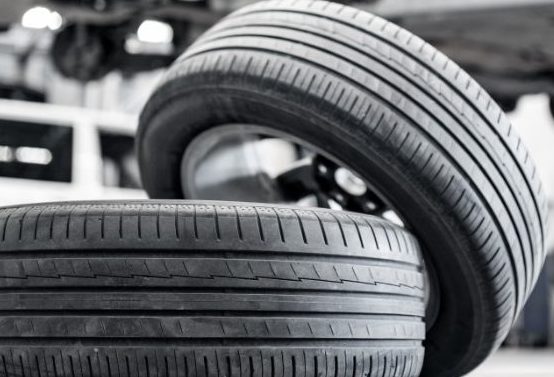
A visual check can sometimes confirm what the vehicle is already telling you. One of the clearest signs is uneven tread wear that appears in patches rather than in a smooth, predictable pattern across the tire. You may also notice cups or scalloped spots along the tread blocks, which can develop when the tire repeatedly bounces.
Another clue is the condition of the wheel weights. If a weight has fallen off, the tire may suddenly feel different even though it looks fine at first glance. Drivers shopping for tires in Tupelo, MS, should pay attention to these smaller details because they can reveal balance issues before they create bigger repair needs. A careful inspection does not replace service, but it can point you in the right direction.
Not every vibration means your tires need balancing, and that distinction matters. Tire imbalance shows up at certain speeds, but other issues can create similar sensations. An alignment problem may cause an off-center steering wheel or uneven wear on one side of the tire. Low tire pressure can make handling feel less stable, while worn suspension components can cause shaking or a loose feel on the road.
A bent wheel is another possible cause, especially after a hard impact with a pothole or curb. In some cases, a tire with internal damage can feel similar to a balance issue, but it points to a more serious concern. Brake problems can create vibration, too, though the pattern usually becomes more noticeable when slowing down. The difference comes down to when the symptom appears and how consistently it shows up.
Some situations make a tire imbalance much more likely. Hitting potholes, road debris, or curbs can knock weights loose or shift how a tire rides on the wheel. A recent tire installation is another time to pay attention, because new tires should be balanced as part of the service, and any issues afterward should be checked quickly.
Seasonal driving conditions matter, too. Rough roads and long stretches of highway driving expose a balance problem that was not obvious before. Even mud packed inside a wheel can temporarily change the weight distribution enough to affect ride quality.
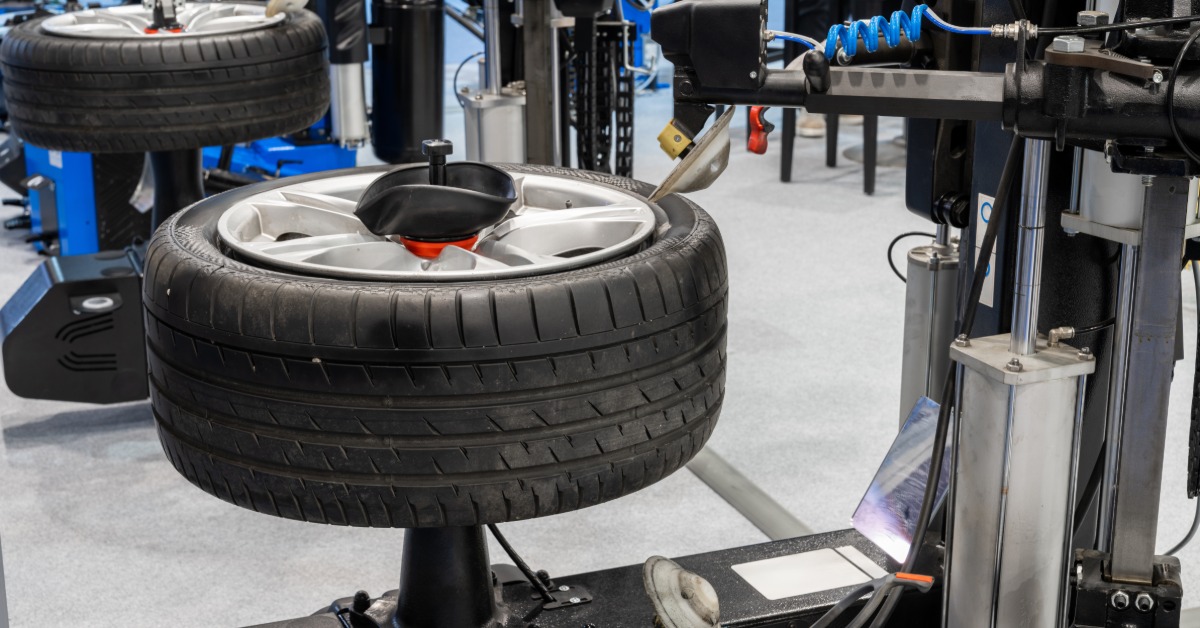
A balancing appointment is usually straightforward, but it plays an important role in restoring ride quality. The technician removes the wheel and tire assembly, places it on a balancing machine, and checks for uneven weight distribution. Small weights are then added or adjusted to make the assembly spin more smoothly.
During the appointment, the technician inspects the tire for signs that another issue is contributing to the vibration. This is important because balancing alone will not fix a bent wheel or worn suspension component. In many cases, service can be completed quickly, but the result is noticeable right away when the original problem truly was an imbalance.
You can drive on unbalanced tires for a while, but that does not mean you should wait to schedule repairs. A vehicle may remain mobile even as the vibration gradually worsens, making the problem easy to postpone. The longer you keep driving that way, the greater the risk of uneven tread wear and added stress on related parts.
The better approach is to schedule service when the signs first appear; don’t hope they will remain minor. A small vibration today can shorten tire life tomorrow. Waiting also makes it harder to tell whether the problem is still simple balancing or something more involved.
A few practical habits can reduce the chances of balance problems returning too soon, including:
These habits will not prevent every issue, but they do help protect the condition of your tires and wheels. Routine attention makes it easier to notice changes before they begin affecting ride quality. Drivers who stay ahead of small tire issues usually spend less time dealing with larger ones later.
If you notice your vehicle’s tires need to be balanced, RNR Tire Express can help you figure out what is causing it. A balancing issue can be easy to miss at first, but the right inspection can catch the problem before it leads to a rougher ride and more unnecessary wear. When you are trying to tell whether your tires need balancing, visiting your local RNR Tire Express is a smart next step. Stop by today to have your tires checked and get back on the road with more confidence.
By signing up you agree to our Privacy Policy.